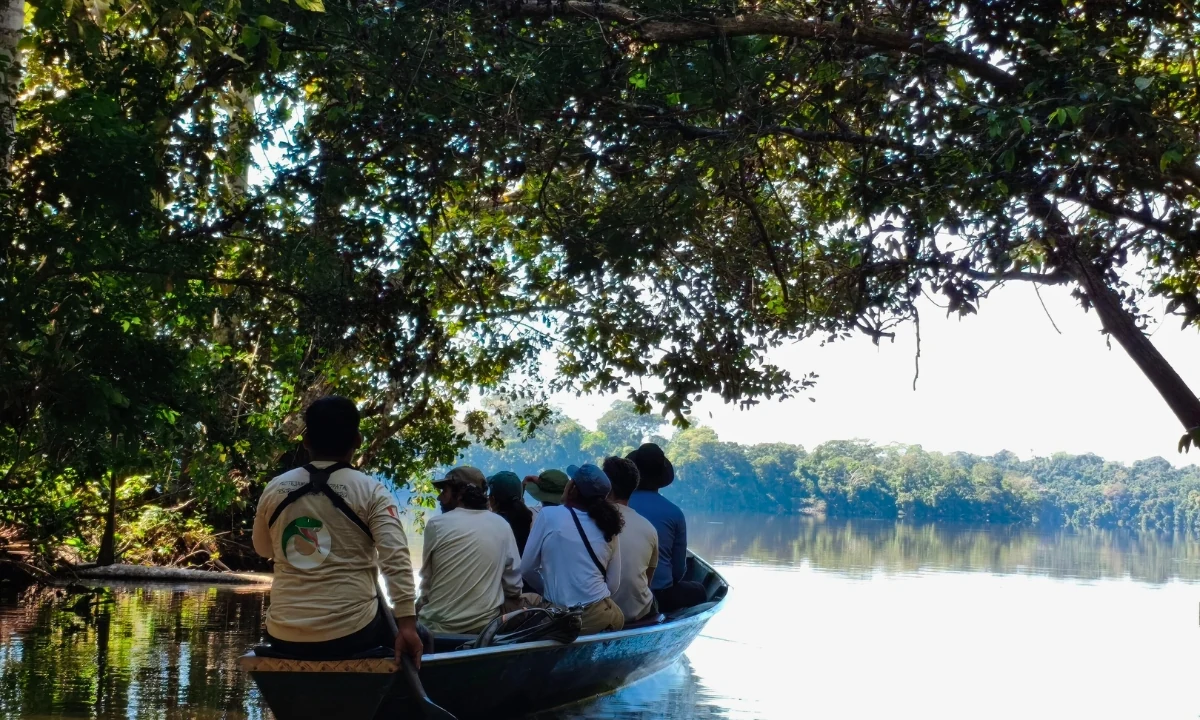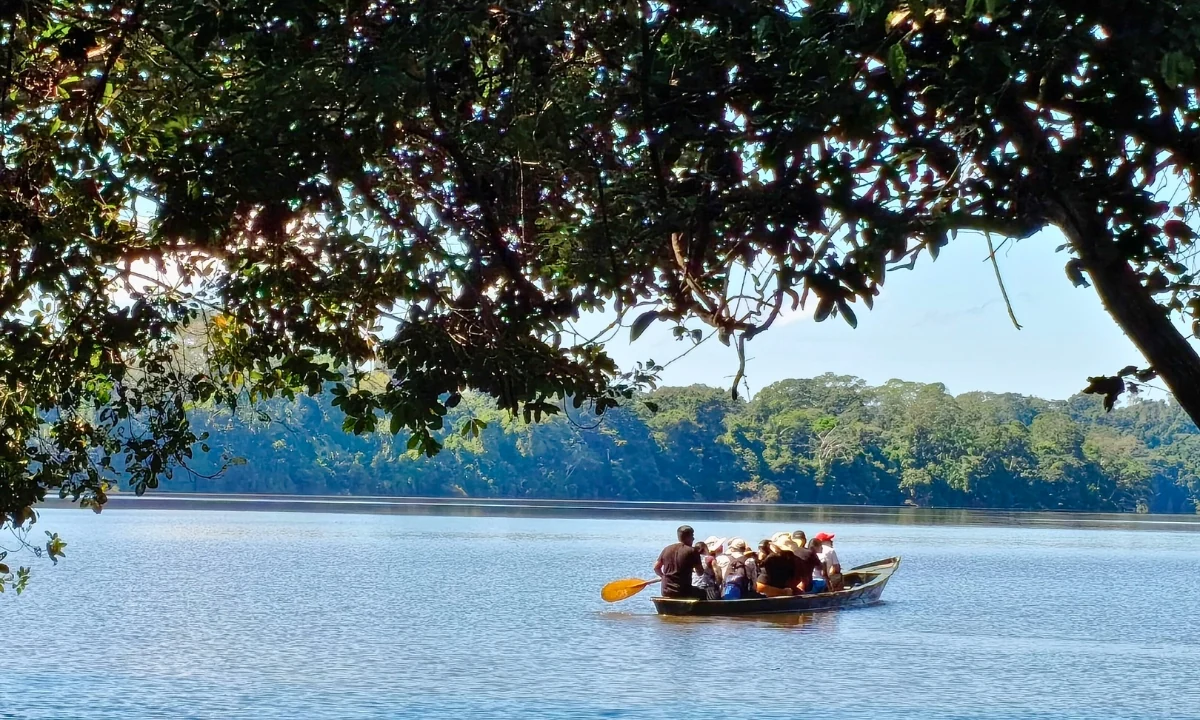
The best time to visit Tambopata depends on the weather and the activities you want to enjoy in the Peruvian Amazon rainforest. From May to October, there is usually less rain, making excursions and excursions in Tambopata easier. However, Tambopata, near Puerto Maldonado, in Madre de Dios, offers incredible biodiversity all year round.
Seasons in Tambopata National Reserve: What Is the Best Time to Travel?
The best time to visit Tambopata National Reserve depends on what you want to see, as the weather divides the year into two seasons: the dry season (May to October) and the rainy season (November to April). One very important fact you should know is that tours operate all year round. Both seasons change the landscape and determine when different migratory birds arrive.
Dry Season in Tambopata (May to October)
During the dry season, from May to October, it rains much less, and river levels drop. This is the favorite option for those who prefer to walk more comfortably.
- Hiking: The trails have less mud, making walks through the rainforest less tiring.
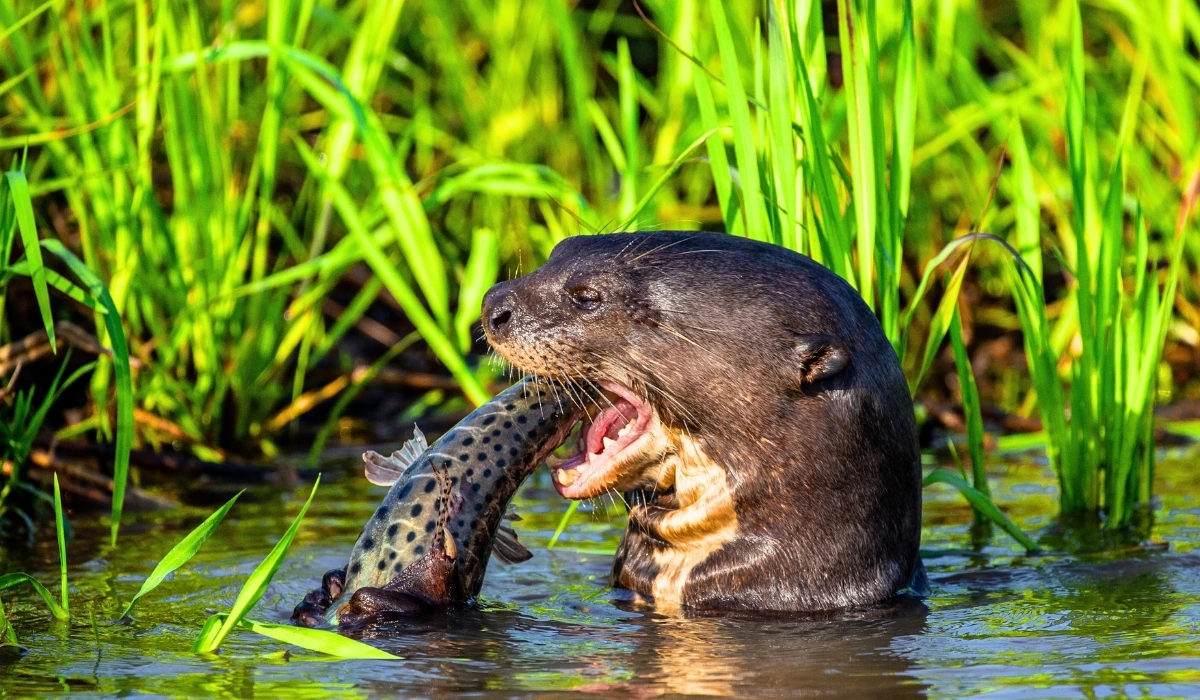
- Animals along the riverbanks: As water levels drop, sandy beaches form, making it easier to spot caimans, turtles, giant river otters, and other animal species.
- Birds: During these months, birds arrive after escaping the cold winter in the southern part of the continent. They travel thousands of miles in search of the warm weather and food found in the Amazon.
- Clearer days: Clear skies help you take better photos of the landscapes and animals in the trees.
Rainy Season in Tambopata (November to April)
During this season, it rains frequently, but the rain fills the entire rainforest with life and water. It is the perfect season for bird lovers and those who want to see the Amazon green and full of water.
- More boat trips: As river levels rise, boats can enter flooded areas and hidden lakes that cannot be reached during the dry season.
- Northern birds: The reserve welcomes many migratory birds arriving from North America to escape the cold northern winter.
- Macaw season: This coincides with the time when macaws and parrots lay their eggs and raise their chicks. As a result, there is a lot of activity at the clay licks.
- Much more wildlife activity: There is more fruit on the trees, making monkeys, insects, frogs, and other animals very active as they search for food.
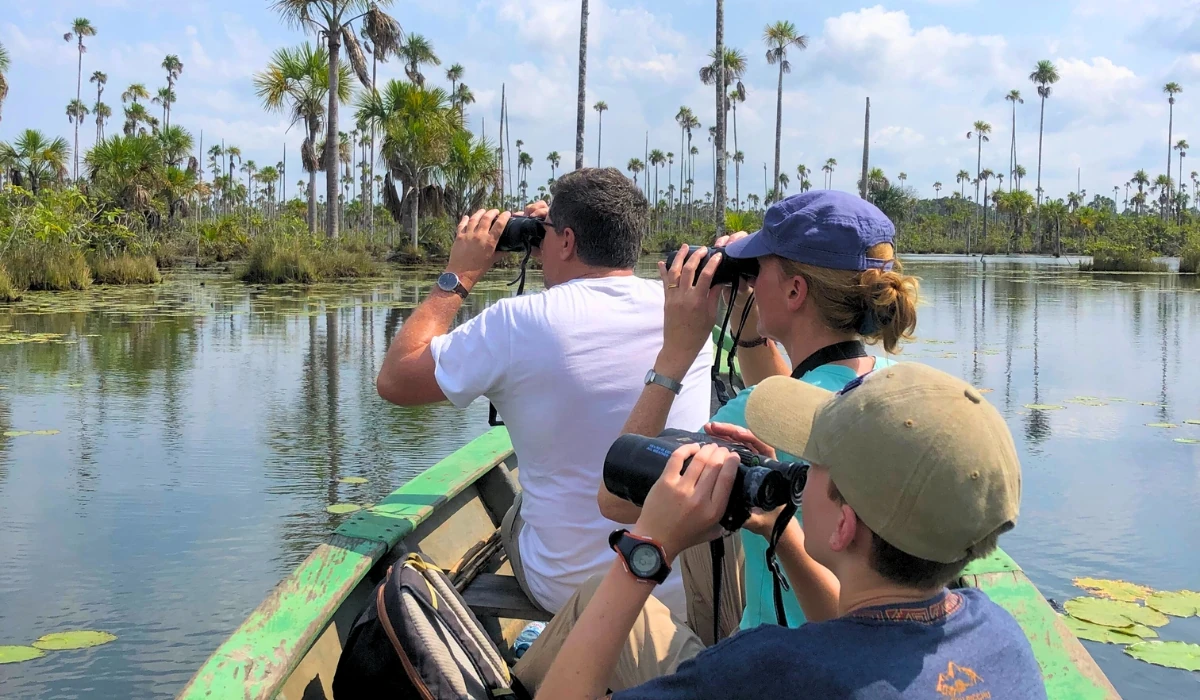
Weather in Tambopata National Reserve
The weather in Tambopata is warm, tropical, and humid all year round. The average temperature is 26 °C, but depending on the time of day and the month, it can rise to 32 °C or drop to 18 °C. Although you can travel at any time, rainfall significantly changes the landscape conditions:
- The rainy season (November to April): Days are hotter, and humidity increases. The heaviest rainfall occurs in January and February, when it usually rains between 17 and 18 days per month.
- The dry season (May to October): These months have the most sunny days and the least rainfall. On average, it rains only 4 to 7 days per month, with July being the driest month. For this reason, many travelers choose this season to explore the rainforest more comfortably.
When to Travel to Tambopata to Maximize Wildlife Sightings
The best time to visit Tambopata depends on the species you are most interested in seeing. Each season transforms the rainforest and changes animal behavior, creating unique opportunities for travelers.
Wildlife Sightings During the Dry Season
- Visible mammals: This is an excellent season for spotting land mammals (tapirs, monkeys, peccaries, and capybaras), which gather near rivers and major water sources when drought conditions develop inside the forest.
- Macaw clay licks: Clay walls attract hundreds of scarlet and blue-and-yellow macaws between June and September.
- Clear trails: With less mud, the trails are easier to navigate, making it easier to follow animal tracks and listen to birds.
- Ideal photography conditions: The best time to visit Tambopata is ideal for photographers because the clear skies and intense sunlight of the dry season improve photos of the rainforest and its wildlife.
Wildlife Sightings During the Rainy Season
- Giant river otters and caimans: The rainy season is the best time to visit Tambopata and see families of giant river otters and black caimans.
- Migratory birds: Several birds from other continents arrive with the rains, so you can observe species that are not present during the dry season.
- Small wildlife: Humidity activates butterflies and amphibians; tree frogs and large insects appear more frequently.
Frequently Asked Questions About the Best Time to Visit Tambopata
1. What is the best season to travel to Tambopata?
The best time to visit Tambopata is usually the dry season, from May to October, because there is less rain and more trails are accessible. However, the rainy season (November–March) also offers unique experiences in the Amazon.
2. What are the differences between the dry and rainy seasons?
The dry season (May–October) has less rain and better conditions for hiking along trails and observing macaws at clay licks. The rainy season (November–April) offers a greener forest and higher river levels, making it easier to navigate some waterways, although hiking becomes more difficult.
3. What is the best time to see animals?
The best time to visit Tambopata depends on the species you want to find. During the dry season, macaws at clay licks and mammals near water sources are among the highlights. During the rainy season, you can observe aquatic wildlife, monkeys, butterflies, and amphibians in flooded forests.
The best time to visit Tambopata depends on the weather and the animals you want to see. Plan your trip according to the season and enjoy the biodiversity of the Amazon rainforest. Contact us and book your personalized tour to Tambopata.