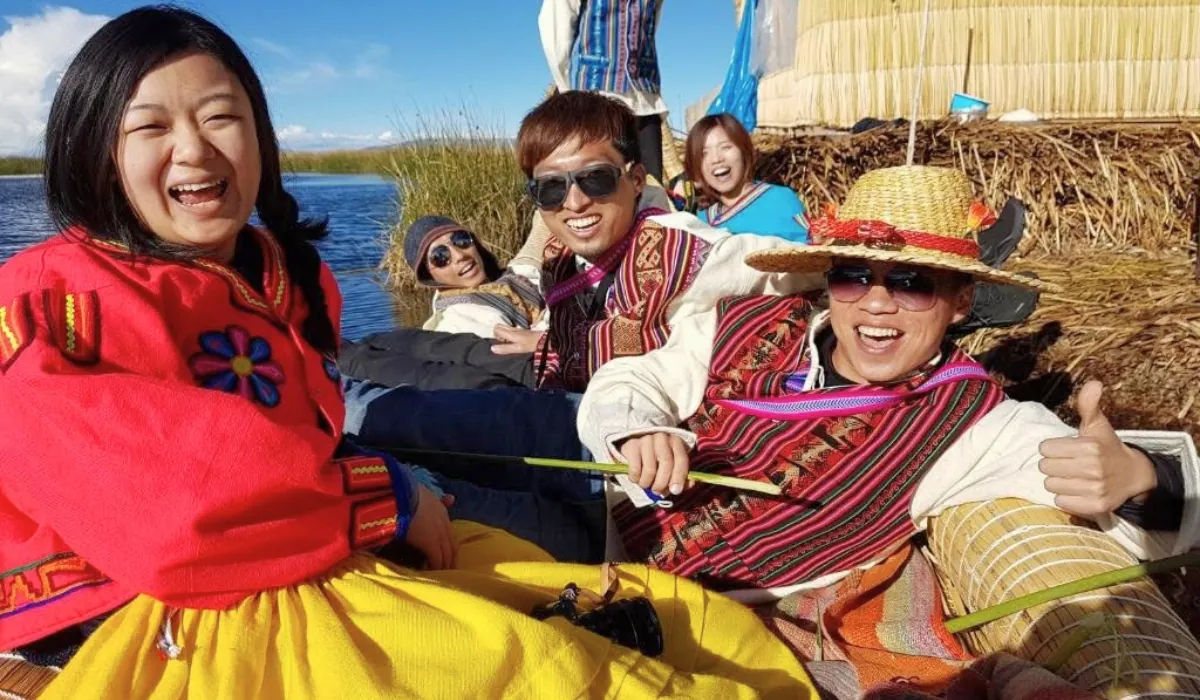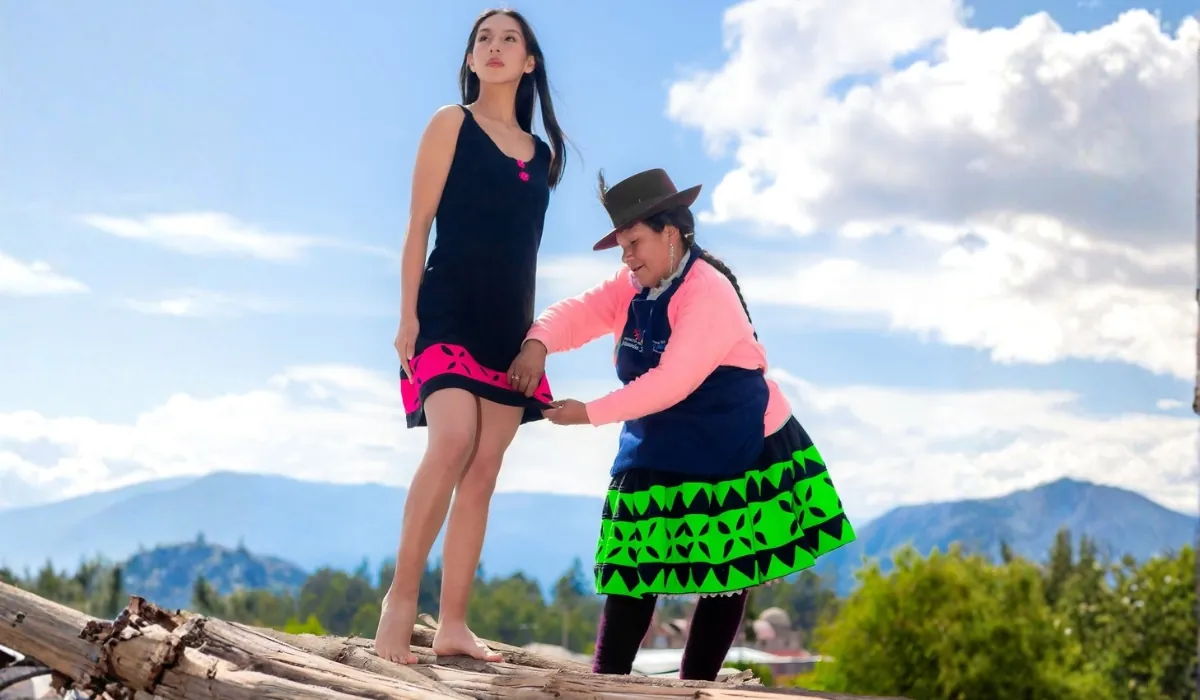
In the Andean world and in the worldview of Indigenous peoples, textiles are not only garments used to protect the body but also expressions of identity. In some cultures of Peru, a garment can indicate your relationship status, age, or place of origin; therefore, each piece becomes a unique piece. However, due to the popularity of textiles, the number of fast-fashion garments offered as handicrafts has also increased. Therefore, today we explain what handcrafted textiles in Peru are like, where to buy them, and why they are popular.
Popular Handcrafted Textiles in Peru
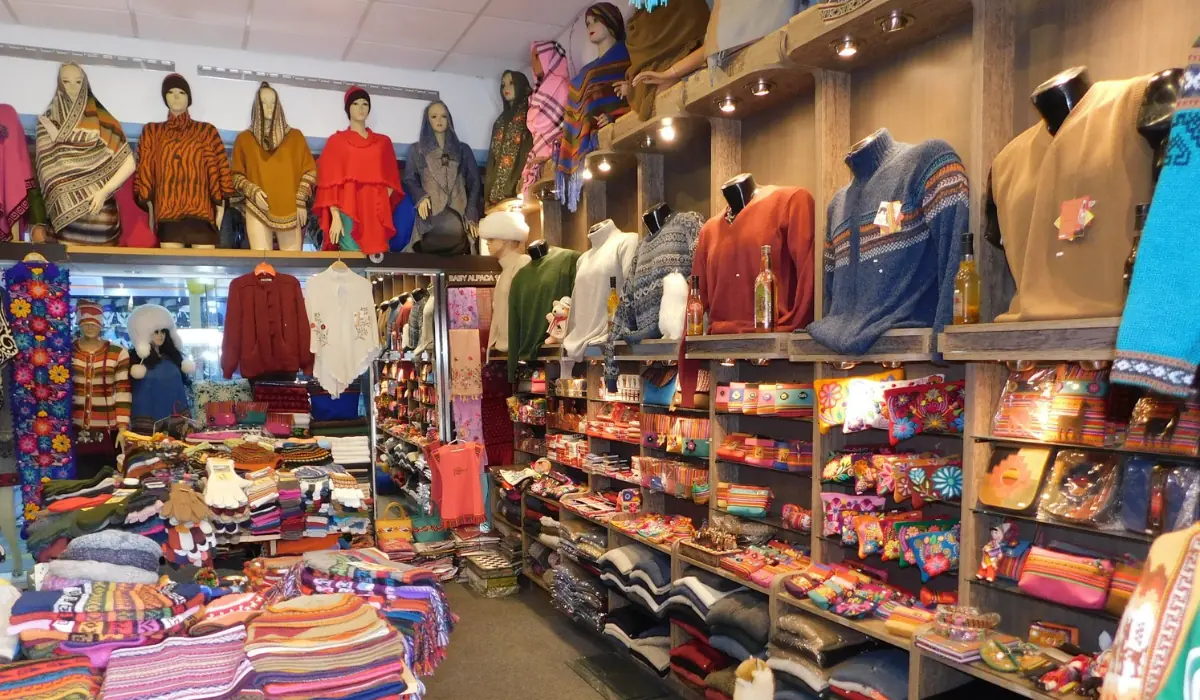
Baby Alpaca Garments
Alpaca fiber is considered one of the finest in the world due to its softness and thermal properties. This fiber is used to make coats, sweaters, and other garments by companies such as Loro Piana (accused of labor exploitation of alpaca herders) and other luxury companies. Garments made from this fiber are characterized by:
- Ultra-soft and fine alpaca fiber.
- Lightness, warmth, and hypoallergenic properties.
- Neutral or soft colors, due to the handcrafted production process.
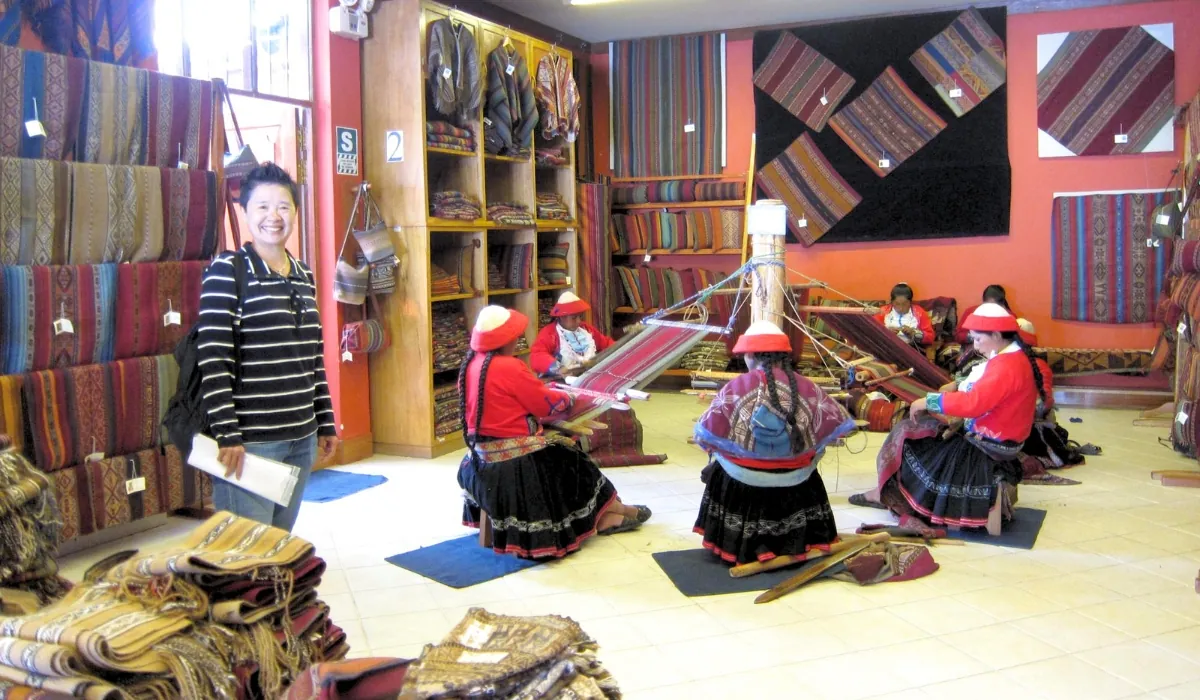
Andean Textiles Woven on a Backstrap Loom
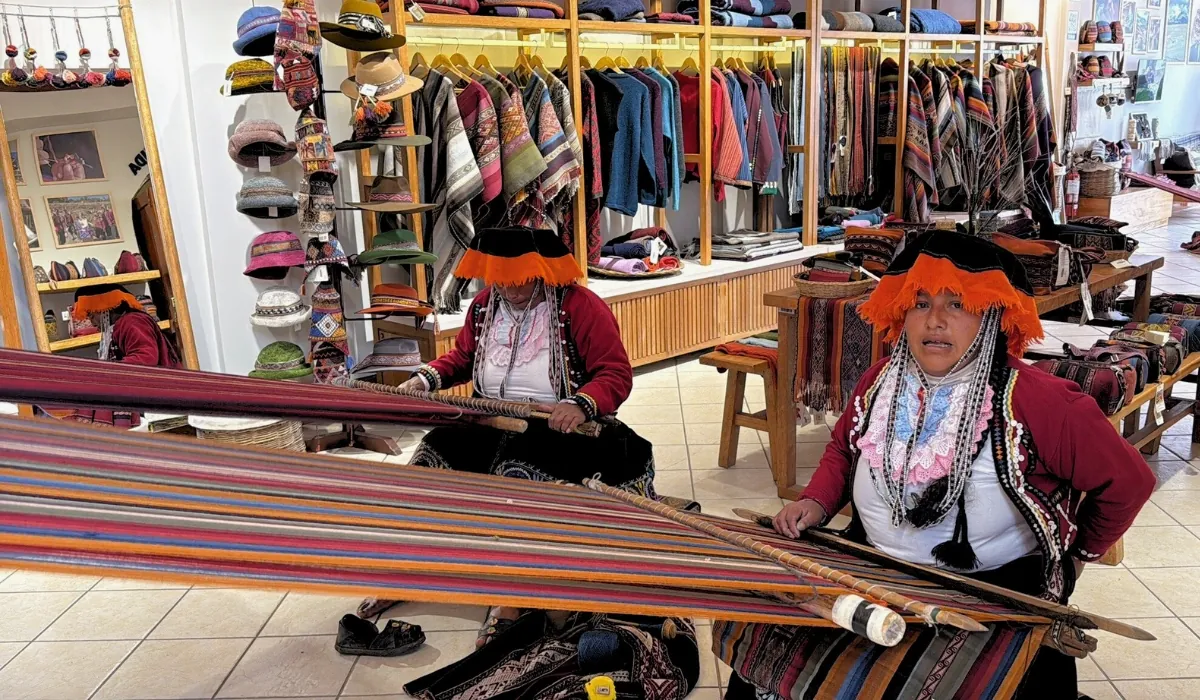
These textiles are undoubtedly authentic luxury garments because of the time required to make each piece. Depending on where you purchase one, the patterns, local symbolism, and more are different.
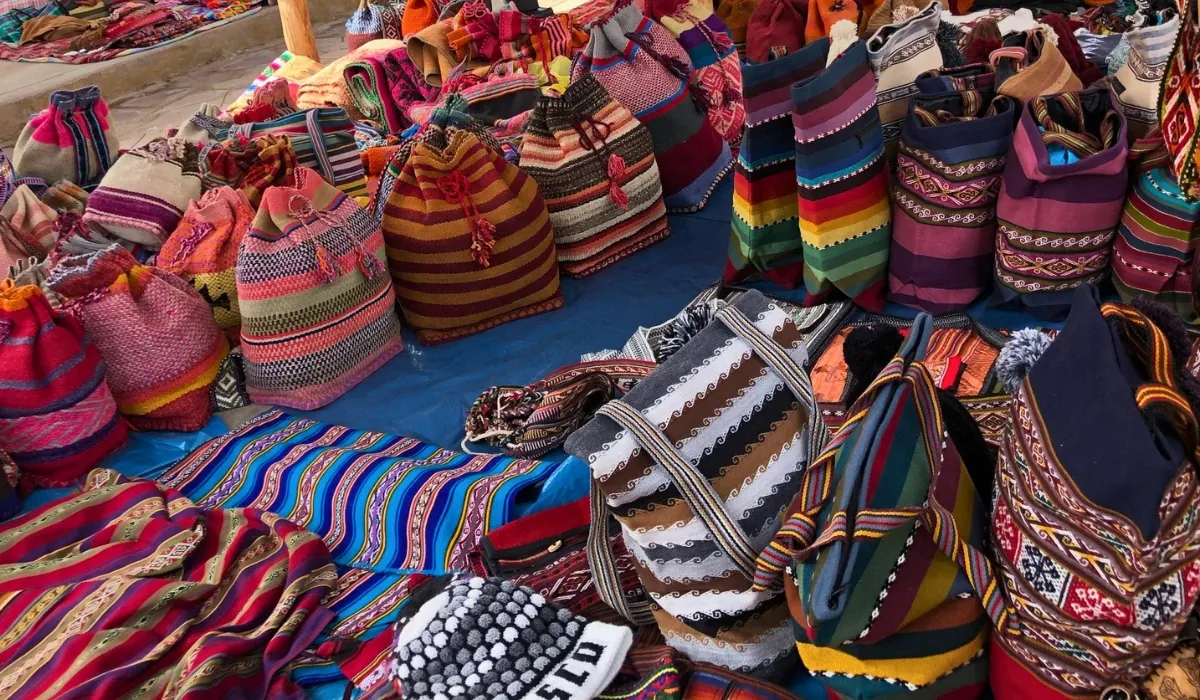
- These handcrafted textiles in Peru include llicllas (traditional shawls worn over the shoulders or used to carry a baby), chuspas (small bags for coca leaves), table runners, and vibrant wall tapestries.
Traditional Knitted Items
They are the easiest to find due to their size and popularity.
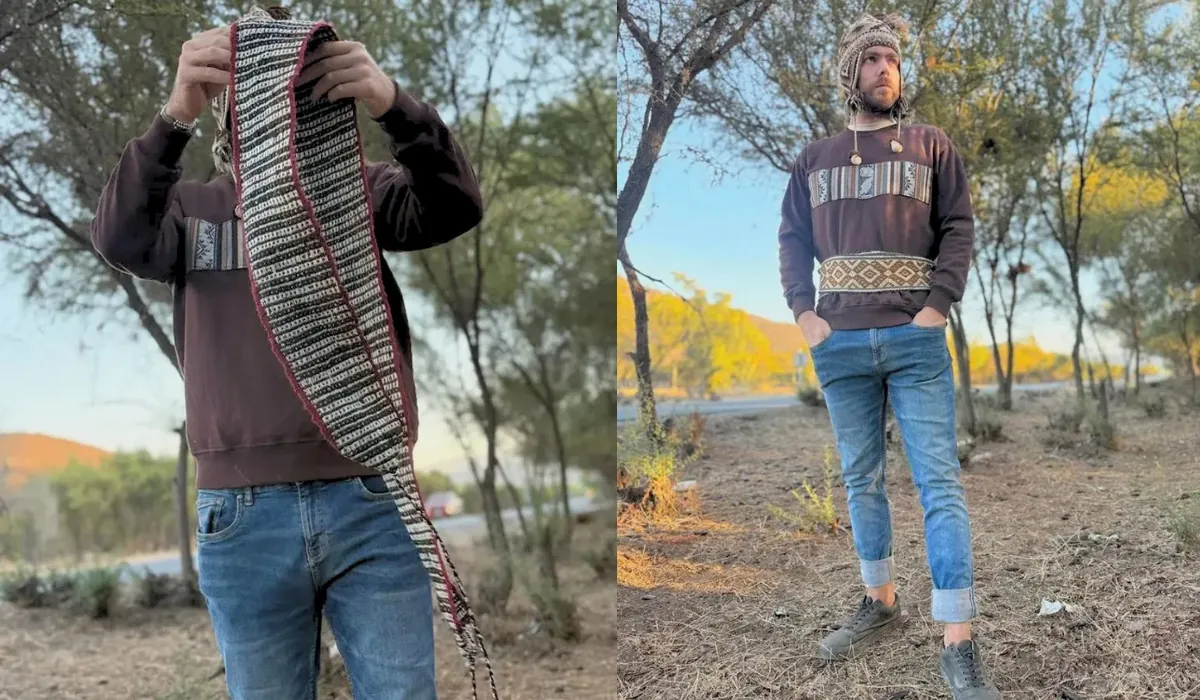
- Chullos (traditional Andean hats with earflaps) decorated with bright colors and pompoms.
- Chumpi, used as a waist accessory or to wrap babies before placing them in the lliclla.
Kené Embroidered Skirts
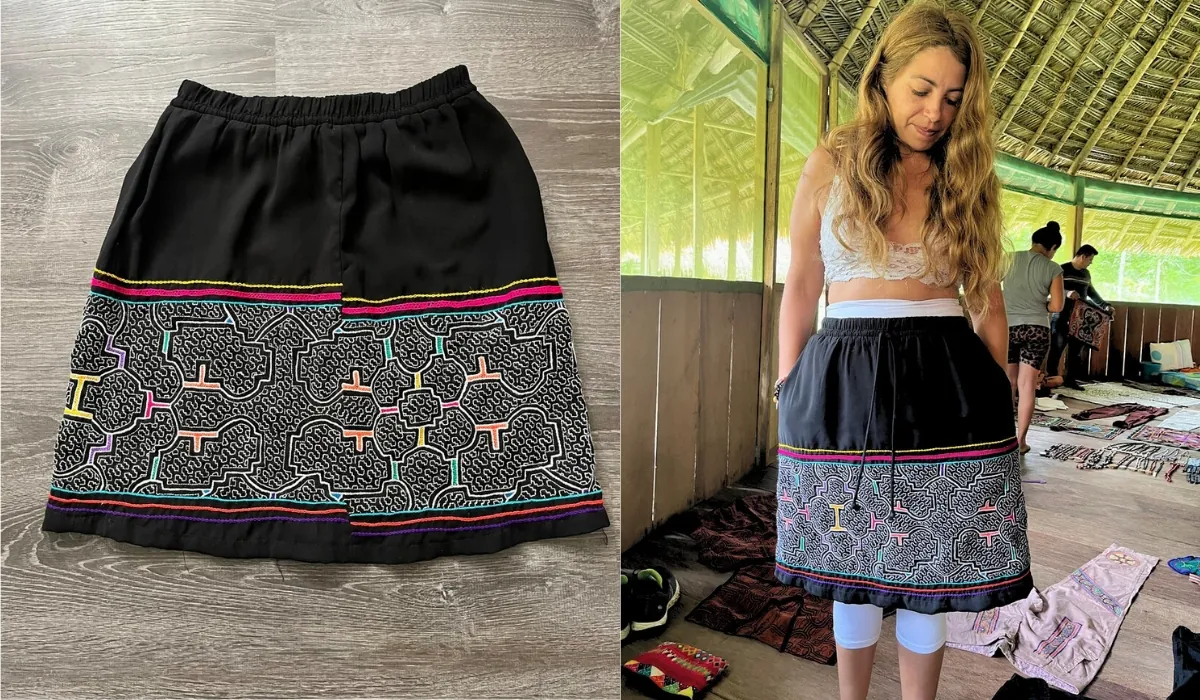
Painted and embroidered by hand using the ancient Kené technique, they represent the Amazonian worldview of the Shipibo-Konibo civilization.
- Each geometric design represents spiritual aspects such as the cosmic anaconda, the history of the family that embroiders it, and even ayahuasca.
- Each Shipibo-Konibo family has a unique way of designing, making it practically impossible to find two identical pieces.
Each of these textile products is made after many hours and using family techniques, so if they are truly handcrafted, you will hardly find two identical pieces.
How to Recognize an Authentic Handcrafted Textile?
Before making your purchase, it is important to carefully examine each garment and every detail. In addition to the fiber, colors, and small irregularities in each piece, we explain how you can identify whether a piece is handcrafted or not.
- Four closed selvedges: On the traditional backstrap loom or four-stake loom, the piece is conceived and woven in its final version. When the finished garment is removed, it retains its four original closed edges or selvedges. In contrast, industrial production uses rolls of fabric that are later cut to size. If you notice edges that are cut, folded inward, or machine-overlocked, it means that the item is not handcrafted.
- Final finish sewn with a needle: As the weaving progresses, the space between the layers of thread becomes so narrow that the loom sticks no longer fit. The weaver then removes them and continues the work manually, thread by thread, with a traditional needle. Look for this section along the edge of each garment. A dense hand stitch is the characteristic hallmark of any intensive handcrafted work.
- Double-sided and inverted colors: The most masterful textiles employ techniques such as iskay uyayuq (double-sided). When the piece is turned over, the figure is repeated on the reverse with the colors inverted. For example, if the front shows a black figure on a red background, the reverse will show a red figure on that black background. In contrast, on printed or industrial textiles, the reverse usually looks disorganized or has loose threads.
- Central seam in symmetrical halves: The handcrafted loom has a limited width determined by the reach of the weaver’s arms. Therefore, ponchos and large blankets are made in two symmetrical halves, woven separately and then joined in the center using a basting stitch or handcrafted embroidery called khallu. A blanket without this seam usually comes from a wide mechanical loom.
- Yarn twist: Traditional spindle-spun yarn allows the fiber to be twisted to the left or right. By interlacing both threads along the edges, the fabric acquires technical strength that prevents the garments from becoming deformed. To the touch, natural fiber has body and elasticity; unlike rigid or slippery synthetic fabrics, in a handcrafted textile it is possible to slightly open or separate the threads with your fingers without damaging the weave.
- Order and meaning: Traditional designs represent cultivated fields, water, the sun, or stories of mythical origins. In addition, the motifs of each community, such as Q’ero, Pitumarca, or Lares, maintain symmetry and a series of patterns in the use of color, consistent throughout each woven textile. In contrast, in industrial-style tourist production, the same synthetic pattern is repeated identically and invariably from beginning to end.
Where Can You Buy Authentic Handcrafted Textiles in Peru?
There are several places; we tell you about the best ones:
- Sacred Valley of the Incas in Cusco, in places such as Chinchero, Ollantaytambo, the community of Huilloc, and Pisac.
- In the city of Cusco, you can purchase handicrafts from street vendors in the city’s historic center.
- In the Altiplano region, Taquile Island in Lake Titicaca (Puno) is world-famous for its textile art, recognized as Intangible Cultural Heritage of Humanity by UNESCO.
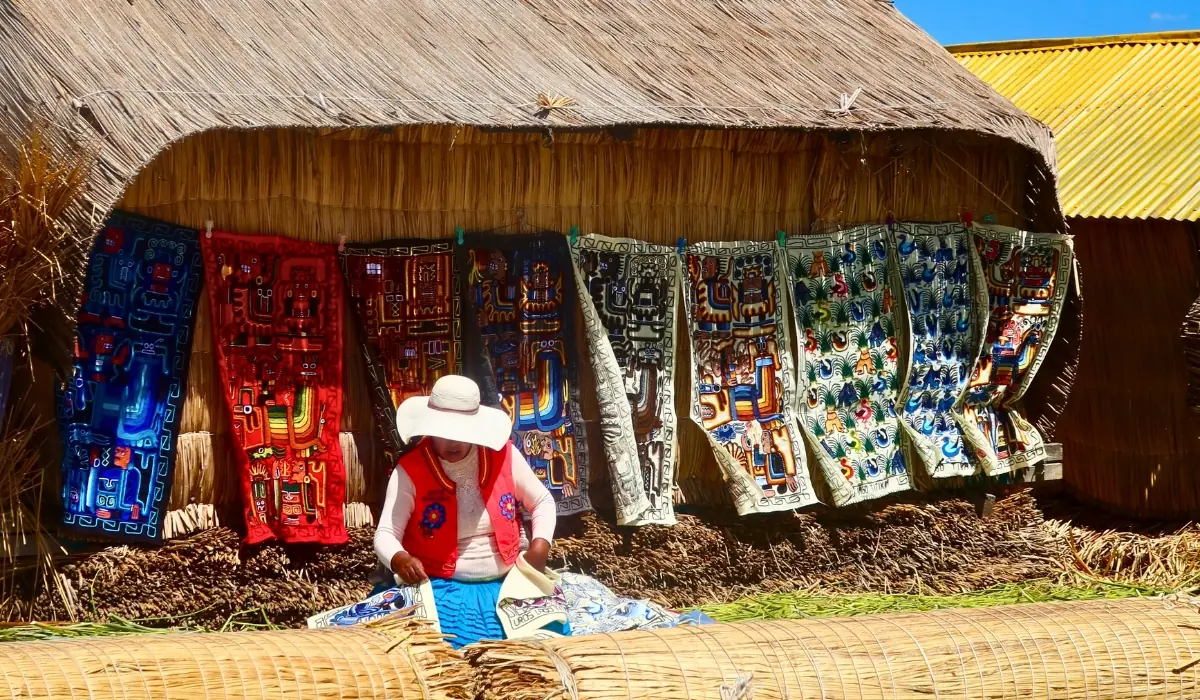
- On the Uros Islands (Puno), you can also purchase handicrafts.
- In the case of the Peruvian Amazon, you may sometimes visit Indigenous communities or families that make garments with unique textile designs.
Tips for Responsibly Purchasing Each Handcrafted Textile
- Choose to buy directly from the artisans.
- Ask about the production and care process for each garment. If an artisan is selling you a garment made in their workshop, they know these details perfectly. Remember that many artisans speak Quechua as their native language, so it is important to familiarize yourself with some Quechua phrases to communicate effectively.
- Respect the established prices and avoid bargaining or asking for a discount. Bargaining for a handcrafted textile garment is not only asking for a lower price, but is also a way of devaluing artisanal work.
- Carry cash in low-denomination bills. Artisans usually do not accept payments through apps or by card because it is difficult for them to withdraw the amounts afterward, as there are no banks in their communities.
- Purchase textile garments made in the present day. In some places, you will find very old textile garments. Be careful! If you buy them, you could become part of the “huaqueros” and face legal proceedings.
Do you want to purchase a handcrafted garment? Book our tours to the Sacred Valley and the Amazon or request a quote for a personalized itinerary with us.
Frequently Asked Questions
1. How can you tell if a Peruvian handcrafted textile is made of natural or synthetic fiber?
Detecting this is easier than you might imagine. Authentic traditional textiles are made with alpaca, llama, or sheep fiber and dyed with natural materials (such as cochineal, chilca, or local plants). To distinguish them:
- Subtlety of color: Natural dyes produce more organic and matte tones, while synthetic (acrylic) threads are very bright and fluorescent.
- Texture and weight: Authentic handmade textiles have a consistent weight and small variations and imperfections that demonstrate the work done on a backstrap loom.
2. Why is it important to buy directly from weavers and local communities?
It is a way to promote the preservation of ancestral and unique textile techniques, such as the use of the pushka. In addition, buying directly from community textile centers ensures that the artisan is the one who directly benefits from their work and in a fair way. Purchasing a handwoven garment also supports the economy of rural Andean families.