
The southern Peruvian Amazon rainforest holds one of the greatest natural treasures on the planet. Manu National Park is a nearly untouched sanctuary where nature expresses itself in its purest form. To talk about the Animals of Manu National Park is to talk about jaguars, Amazonian tapirs, giant otters, monkeys, multicolored birds, and thousands of other species that live freely in a protected ecosystem. This destination is not just a place to visit; it is an experience that transforms the way we see wildlife.
If you dream of observing animals in their natural habitat, far from zoos and crowds, Manu is the ideal place. Here, biodiversity is not an abstract concept; it is a reality lived every day in the jungle.
Why visit Manu National Park?
Visiting Manu means entering one of the most biodiverse ecosystems in the world. This park hosts an extraordinary concentration of Animals of Manu National Park, including mammals, birds, reptiles, amphibians, and insects that exist nowhere else on the planet.
The park protects more than 200 species of mammals and over 1,000 species of birds, in addition to dozens of reptiles and amphibians. Many of these animals are endangered, making Manu a key player in their conservation.
Here it is possible to hear the powerful roar of the howler monkey, observe macaws flying in flocks at dawn, watch giant otters playing in Amazonian lagoons, or follow the tracks of the jaguar, the largest feline in the Americas. All of this makes Manu a must-visit destination for travelers, photographers, and nature lovers.
Animals of Manu National Park: One of the Most Biodiverse Places in the World
The biodiversity of Manu National Park is recognized worldwide. This region contains one of the greatest concentrations of animal species on the planet. The combination of lowland rainforest, cloud forests, and Amazonian rivers creates the perfect environment for an unmatched diversity.
The Animals of Manu National Park represent a unique natural balance. Each species fulfills a vital function: predators regulate populations, herbivores disperse seeds, and insects maintain forest health. This biological richness turns Manu into a living natural laboratory and a world-class destination for wildlife observation.
1. Mammals of the Manu National Reserve
- Capybara (Hydrochoerus hydrochaeris): the largest rodent in the world. It lives in social groups along rivers and oxbow lakes. It is well adapted to aquatic life and feeds on aquatic and terrestrial plants.
- Howler monkey (Alouatta seniculus): recognizable by its powerful howls at dawn. It forms noisy groups that inhabit the forest canopy.
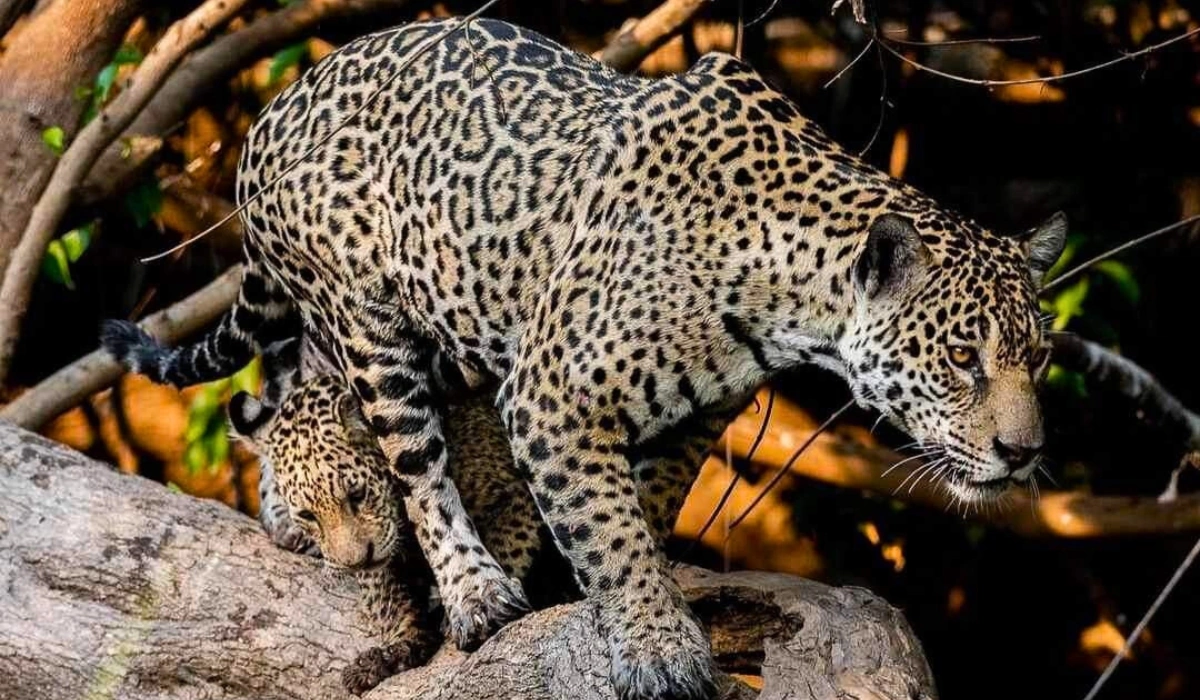
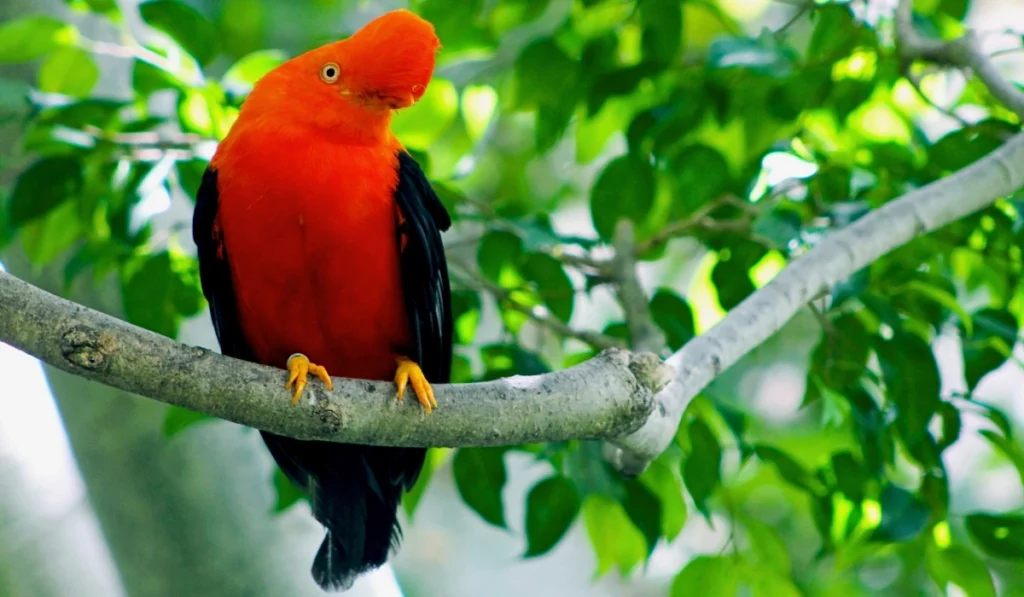
- Jaguar (Panthera onca): the largest feline in the Americas and one of the symbols of Manu. It is a key predator that maintains natural balance by controlling populations of other mammals. Although elusive, its presence in the reserve is constant.
- Amazonian tapir (Tapirus terrestris): a mammal with a prehistoric appearance and the largest quadruped in the rainforest. It uses its flexible snout to feed on fruits and aquatic plants. It is more active at dusk and plays an important role as a seed disperser.
- Collared peccary (Pecari tajacu): a wild relative of the boar that lives in small herds. It feeds on roots, fruits, and other ground resources. As it moves in groups, it disturbs the soil and contributes to forest aeration.
- White-tailed deer (Odocoileus virginianus): a crepuscular deer, common in the lowland rainforest. It is usually seen in forest clearings or near rivers at dawn or dusk.
- Giant otter (Pteronura brasiliensis): one of the most charismatic mammals of Manu. It lives in family groups in rivers and oxbow lakes, where it hunts fish.
- Puma (Puma concolor): a large feline more discreet than the jaguar. Primarily nocturnal or crepuscular, it hunts deer and rodents, although it is rarely seen.
- Capuchin monkey (Sapajus apella): an intelligent and curious primate with great agility. It forms active groups and is known for using simple tools, such as stones to open fruits, which often surprises observers.
2. Birds of Manu National Park
Manu is a paradise for birdwatching. It hosts more bird species than many entire countries. Manu is extraordinary, with more than one thousand recorded species, making it one of the best birdwatching destinations in the world.
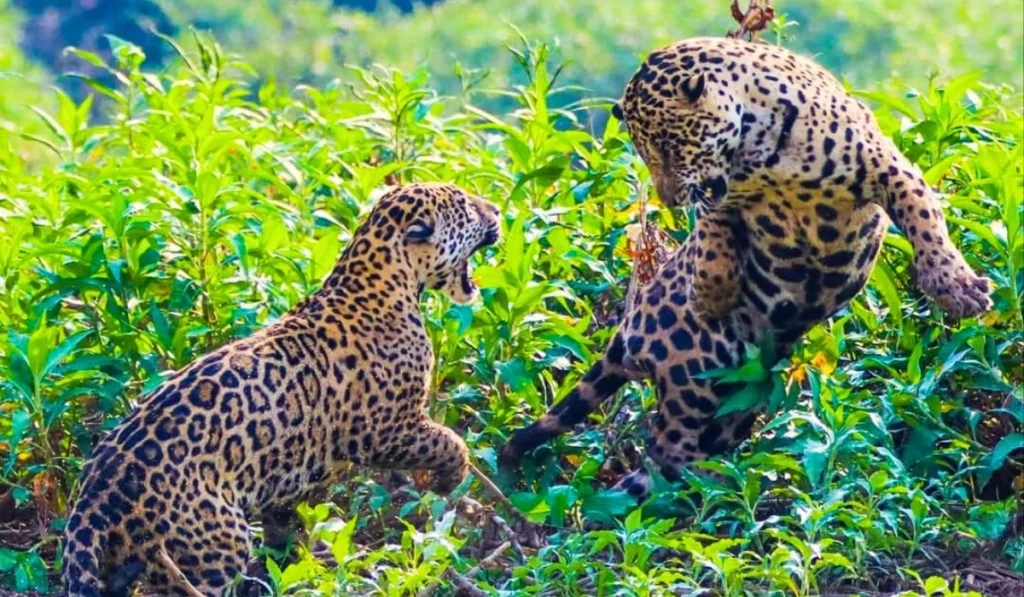
- Andean cock-of-the-rock (Rupicola peruvianus): the national bird of Peru, famous for its intense orange plumage and its unique courtship displays in exhibition areas known as leks. It is mainly observed in rocky clearings at dawn, where males perform striking dances to attract females.
- Blue-and-yellow macaw (Ara ararauna): a large and very striking parrot that flies in noisy flocks. Its colorful plumage makes it easy to identify as it crosses the jungle skies.
- Scarlet macaw (Ara macao): with brilliant red, blue, and yellow feathers. It is often seen near rivers and clay licks, especially during the early morning hours.
- Red-and-green macaw (Ara chloropterus): also known as the green-winged macaw. It is less common than other macaw species but inhabits quiet areas of the Amazon rainforest.
- Keel-billed toucan (Ramphastos sulfuratus): recognizable by its large, multicolored bill. It lives in pairs or small groups and usually feeds on fruits in the treetops.
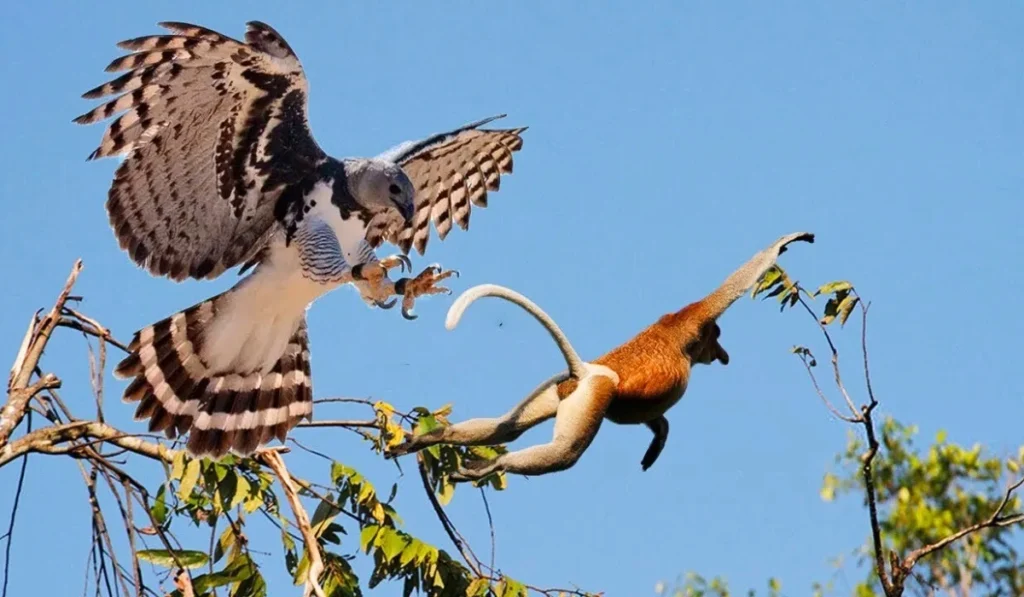
- Harpy eagle (Harpia harpyja): one of the most powerful birds of prey in the world. It inhabits mature forests, and its presence is an indicator of good ecosystem health, although it is difficult to observe.
- Sayaca tanager (Tangara sayaca): a small bird with bluish-gray plumage and yellow tones. It is common along forest edges and adds color and melody with its soft song.
- Hoatzin (Opisthocomus hoazin): a bird with a primitive appearance that feeds mainly on leaves. It lives near rivers and lagoons, where it is often seen perched on low branches or moving clumsily through aquatic vegetation.
3. Reptiles and Amphibians of Manu National Park
- Black caiman (Melanosuchus niger): the largest reptilian predator in Manu. This massive caiman inhabits rivers and lagoons, often with only its head visible above the water as it stalks prey. It can reach up to 5 meters in length, although it is rarely seen up close.
- Spectacled caiman (Caiman crocodilus): smaller than the black caiman. It is recognized by the light band behind its eyes. Abundant in rivers and ponds, it is active both day and night and is commonly seen on afternoon river cruises.
- Boa constrictor (Boa constrictor): a common snake in the rainforest. It feeds on birds and small mammals, which it subdues with its strength. It rests on branches while waiting for prey; its mottled skin provides perfect camouflage.
- Shushupe or Amazonian bushmaster (Lachesis muta): a venomous snake also known as “God killer.” It is not aggressive, but its bite is extremely dangerous. It is usually found on the forest floor of humid jungle areas, although seeing it on a tour is very rare.
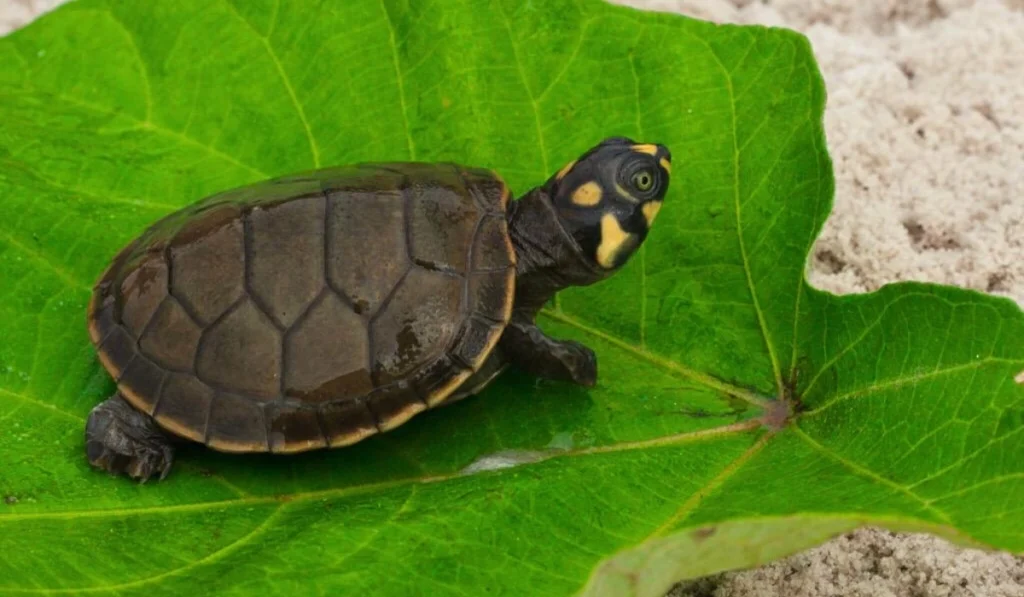
- Yellow-spotted river turtle (Podocnemis unifilis): very well known in the Amazon. It nests on river beaches during spring. It is crucial to Manu’s lakes, where its hatchlings help maintain the health of aquatic ecosystems.
- Amazonian tortoise (Chelonoidis denticulata): a terrestrial turtle with a rounded shell. It moves slowly through the undergrowth. Herbivorous, it contributes to seed dispersal in the forest.
- Manu harlequin frog (Atelopus erythropus): an amphibian endemic to this region. With striking colors, it inhabits fast-flowing, clear-water streams. Its presence indicates good water quality.
- Amazon horned frog (Ceratophrys cornuta): a robust frog with dermal “horns” above its eyes. It camouflages itself on the forest floor and waits for insects. It is a surprisingly effective predator of insects and small vertebrates.
4. Insects and Other Invertebrates of Manu National Park
Manu is a true paradise for insects and other invertebrates. In a single hectare of forest, tens of thousands of different insects can be found, with beetles clearly predominating. Among the most striking are:
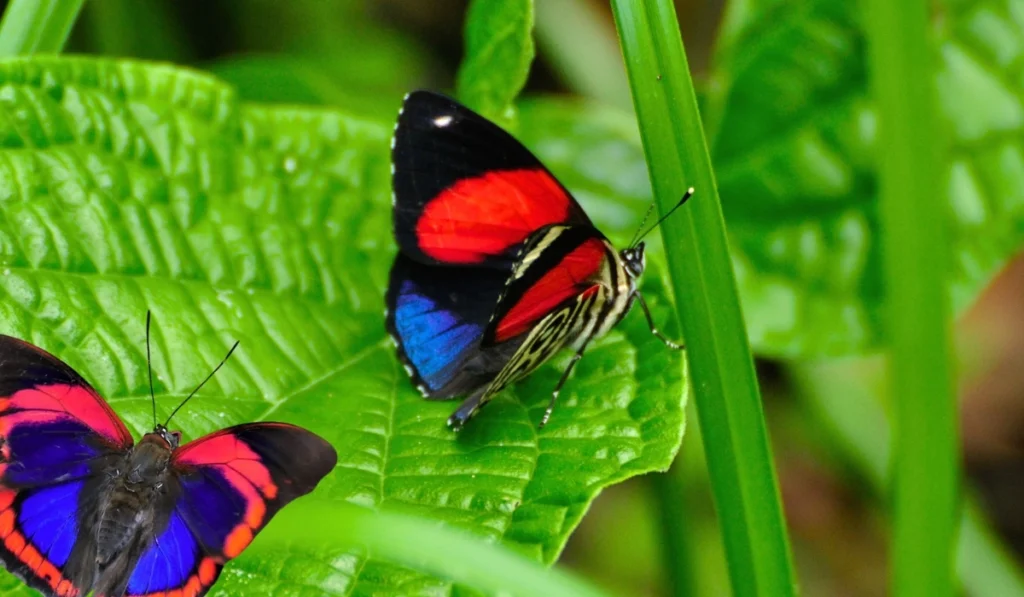
- Tropical butterflies (such as the blue Morpho butterfly Morpho rhetenor): they fill forest clearings with their iridescent wings. Peru is home to more butterfly species than any other country in the world. Manu is one of the places with the highest concentration of butterfly species in Peru and worldwide.
- Leafcutter ants (Atta spp.): they build enormous mounds of soil and leaves and can form colonies of millions of individuals.
- Beetles (various species of the order Coleoptera): extremely abundant, especially golden beetles and rhinoceros beetles that inhabit the leaf litter.
- Dragonflies and other aquatic insects (order Odonata): they fly near rivers and ponds, where they play an important role in controlling mosquitoes and other insects.
- Spiders and hunting spiders: although they are not insects, they are notable invertebrates of Manu, either for their large webs or their stealthy hunting behavior.
These are just a few examples. The extraordinary insect diversity of Manu also includes native bees, praying mantises, giant termites, and many other groups. It is estimated that a large portion of the park’s animal species are insects, which fulfill essential roles such as pollination, organic matter recycling, and maintaining the food chain. Although less visible than large mammals, insects sustain the foundation of wildlife in Manu National Park.
Wildlife Watching Tours in Manu National Park
Exploring Manu requires experience, permits, and deep knowledge of the environment. Peru Jungle Trips is the best recommended agency for taking wildlife watching tours in Manu National Park.
Their expeditions are designed to maximize the observation of the Animals of Manu National Park, combining guided walks, navigation along Amazonian rivers, and visits to lagoons and clay licks. Professional guides know the best times and places to observe jaguars, giant otters, monkeys, exotic birds, and reptiles. Traveling with Peru Jungle Trips means safety, learning, and an authentic experience in one of the most biodiverse places on the planet.
Animal Watching Tours in Manu National Park
- Manu National Park Tour (3 Days)
- Manu Jungle Tour (4 Days)
- Manu National Reserve (5 Days)
- Manu Reserved Zone (6 Days)
- Manu Reserved Zone and Blanquillo Tour (6 Days)
Endangered Animals of Manu National Park
Manu is a refuge for several threatened species that find protection here. Among the endangered animals that inhabit this park are:
- Jaguar (Panthera onca), the main predator of the rainforest, currently threatened by hunting and habitat loss.
- Black caiman (Melanosuchus niger), a giant freshwater reptile, classified as endangered due to poaching.
- Giant river otter (Pteronura brasiliensis), a symbol of Manu, a social species that came close to extinction, but whose populations continue to grow within the park.
- Harpy eagle (Harpia harpyja), one of the most powerful birds of prey in the forest, at risk due to the loss of old-growth forests.
- Spectacled bear (Tremarctos ornatus), the only bear species in South America, inhabits the mountains of Manu and is threatened by hunting.
- Amazonian tapir (Tapirus terrestris), a species affected by hunting and habitat fragmentation, although it is still present in the reserve.
Manu National Park is home to dozens of globally threatened species. Thanks to strict conservation measures, these species find one of their last safe refuges in Manu, and with some luck, visitors may be able to observe them during their journey.

Frequently Asked Questions About the Animals That Inhabit Manu National Park
1. What animals can be seen in Manu National Park?
In Manu National Park, it is possible to observe an enormous diversity of wildlife, such as jaguars, tapirs, monkeys, macaws, caimans, frogs, and hundreds of other species. Each excursion offers unique wildlife viewing opportunities: in the Amazon, howler monkeys can be heard and flocks of parrots can be seen, while along the trails it is common to encounter white-tailed deer or hear the song of the Andean cock-of-the-rock. With patience and proper guidance, it is also possible to encounter less common species such as the spectacled bear or the sloth.
2. Where does the journey to Manu begin?
Most trips to Manu National Park begin from the city of Cusco, in southern Peru. Transportation usually includes a road journey through the Andes to the park entrance, followed by hikes and boat rides along Amazonian rivers.
3. Why choose an organized tour to Manu National Park?
Choosing an organized tour allows visitors to experience the wildlife of Manu National Park in a safe, responsible, and educational way. This increases the chances of observing animals and understanding their behavior. In addition, the team carefully plans travel logistics—transportation, accommodation, meals, and permits. This type of visit contributes to the conservation of the park and allows travelers to fully enjoy one of the most biodiverse ecosystems on the planet.
The Manu National Park is not just a destination; it is a living lesson on the importance of protecting wildlife. And doing so with Peru Jungle Trips is the best way to discover this natural paradise. The Animals of Manu National Park live in one of the best-preserved ecosystems in the Amazon, making this destination an exceptional place for wildlife watching and conservation. Contact us and book your Manu wildlife watching tour.