
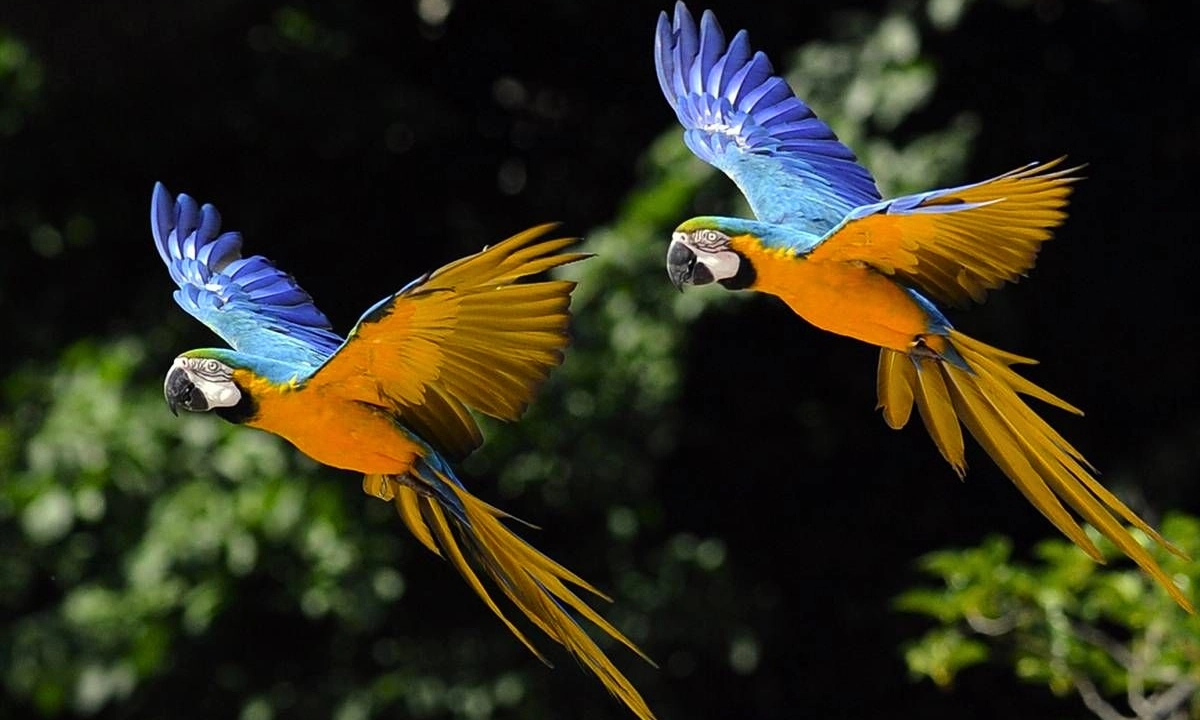
The Peruvian Amazon is home to some of the best birdwatching Spots in the Amazon, making it a true paradise for birdwatchers. Its forests are home to more than 1,300 bird species, nearly one-third of all bird species in the world. This incredible diversity means that every excursion offers the chance to encounter exotic, migratory, and endemic birds. For example, in 1982, a team of scientists recorded 331 species in just 24 hours at Cocha Cashu (Manu National Park), setting a world record. In addition, the Amazon’s proximity to the Andes and its wide variety of microclimates create ideal habitats for hundreds of species. All of this makes the Peruvian Amazon one of the world’s most important birdwatching destinations, where every nature lover will be amazed.
Reasons to Choose the Amazon as a Birdwatching Destination
- Immense diversity: More than 1,300 bird species live in the Amazon, ranging from tiny hummingbirds to large birds of prey, many of them found nowhere else on Earth.
- World record for bird sightings: Manu holds the record for the highest number of bird species documented in a single day (331 species in 1982).
- Diverse habitats: Flooded forests, terra firme forests, and montane forests provide habitats for species at every vegetation level (canopy, mid-story, and understory).
- Complementary seasons: Birdwatching trips can be planned during either the dry or rainy season; each offers different species and behaviors (for example, many birds gather at clay licks during the dry season).
- Connectivity and accessibility: Few places offer such excellent ecotourism infrastructure, with authorized routes, professional local guides, and quality lodging options. This makes birdwatching trips throughout Peru much easier.

Best Birdwatching Spots in the Amazon: Amazing Destinations
1. Manu National Park
The Manu National Park is perhaps the most famous for its extraordinary biodiversity. It is a UNESCO World Heritage Site and a refuge for nearly 1,030 bird species. Among the 5 most remarkable species are:
- Andean Cock-of-the-rock (Rupicola peruvianus), Peru’s national bird, recognized for its striking orange plumage and spectacular courtship displays.
- Great Tinamou (Tinamus major), a large and unusual ground-dwelling bird with cryptic plumage.
- Spix’s Guan (Penelope jacquacu), a large guan that typically travels in flocks.
- Blue-and-yellow Macaw (Ara ararauna), a colorful and noisy parrot commonly found in the lowland rainforest.
- Harpy Eagle (Harpia harpyja), the queen of the Amazon’s birds of prey.
- Rufescent Tiger Heron (Tigrisoma lineatum), an exceptionally elegant tropical heron.
The best time to visit Manu is during the dry season (approximately April through November), when trails and observation platforms are accessible and birds are more active during the day.
2. Tambopata National Reserve
The Tambopata National Reserve (Madre de Dios) is another outstanding birdwatching destination with 600 recorded bird species. Macaws and Harpy Eagles are especially abundant. According to SERNANP, Tambopata is home to “Harpy Eagles” and “macaws,” among its most remarkable wildlife. Five representative species include:
- Scarlet Macaw (Ara macao), with its brilliant red, yellow, and blue plumage, commonly seen at clay licks.
- Red-and-green Macaw (Ara chloropterus), a large macaw with striking red plumage and green and blue wings.
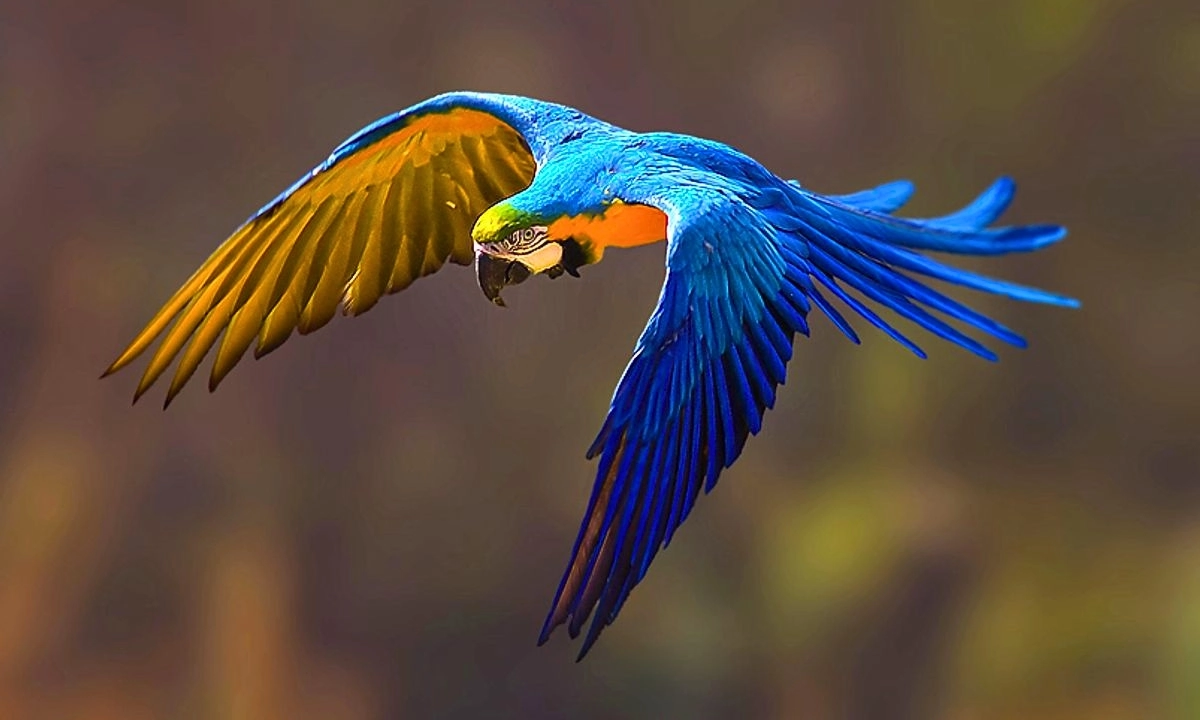
- Blue-and-yellow Macaw (Ara ararauna), easily recognized by its vivid blue and yellow plumage.
- Harpy Eagle (Harpia harpyja), one of the largest and most powerful birds of prey in tropical forests.
- Hoatzin (Opisthocomus hoazin), a prehistoric-looking Amazonian bird commonly observed near rivers and oxbow lakes.
Recommended season: May through October (dry season), when many macaws gather at the clay licks and river navigation conditions are ideal.
3. Sandoval Lake
Near Puerto Maldonado, Sandoval Lake (part of the Tambopata National Reserve) is a wetland famous for its easy access and its great variety of waterbirds and forest birds. Its biodiversity includes more than 400 bird species. Among the 5 most remarkable birds at Sandoval Lake are (according to birdwatching guides):
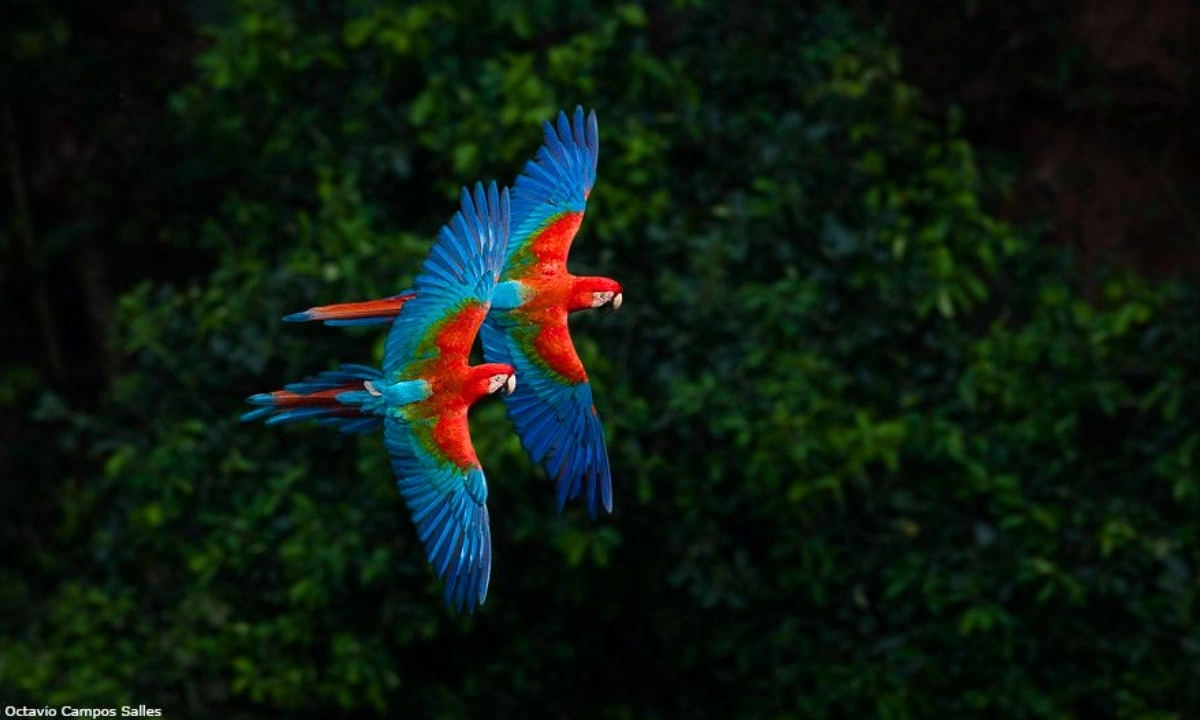
- Red-and-green Macaw (Ara chloropterus), a large macaw with brilliant red plumage and green and blue wings.
- Hoatzin (Opisthocomus hoazin), a prehistoric-looking Amazonian bird commonly seen near lakes and rivers. Anhinga (Anhinga anhinga), a long-necked aquatic bird known as the “snake bird” because of the way it swims with its body submerged.
- Cream-colored Woodpecker (Celeus flavus), a striking woodpecker with pale yellow plumage and a distinctive shaggy crest.
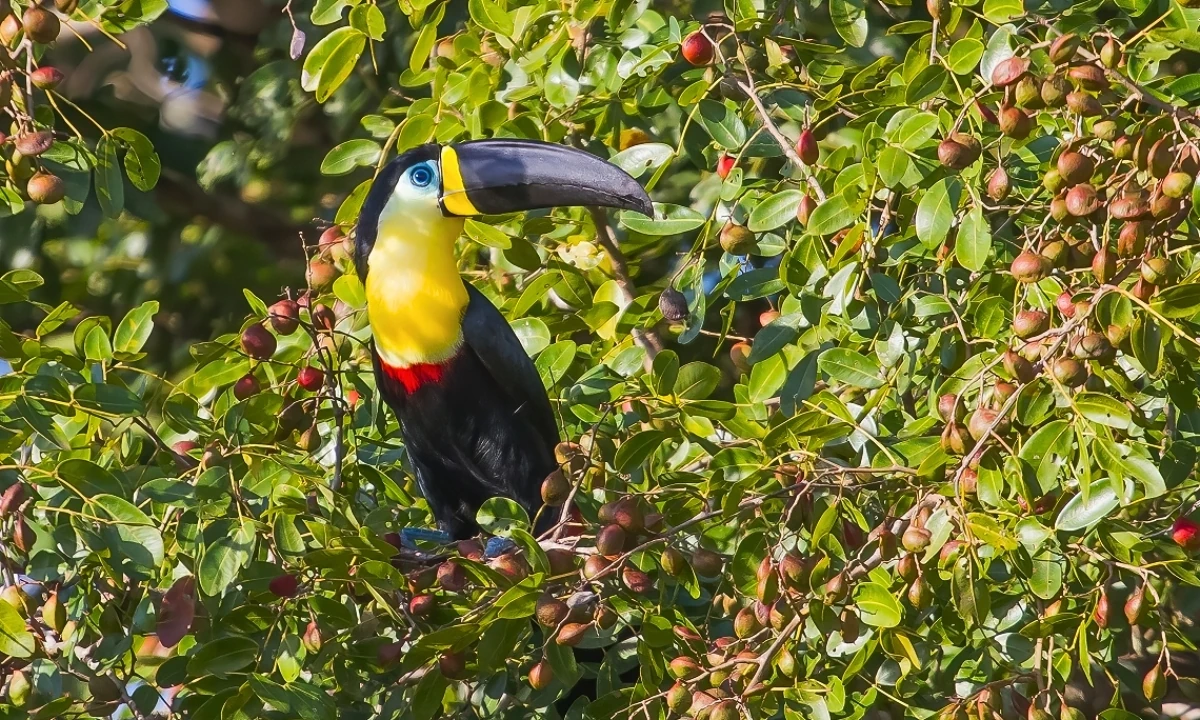
- Channel-billed Toucan (Ramphastos vitellinus), a colorful toucan with a black bill featuring a bright blue base and a yellow breast.
This destination is excellent year-round, but especially during the dry season, when the lake can be navigated without difficulty and birds gather along the shoreline.
4. Pacaya Samiria National Reserve
The Pacaya Samiria National Reserve (Loreto) is Peru’s largest flooded forest reserve, with more than 500 bird species. Among the most representative are:
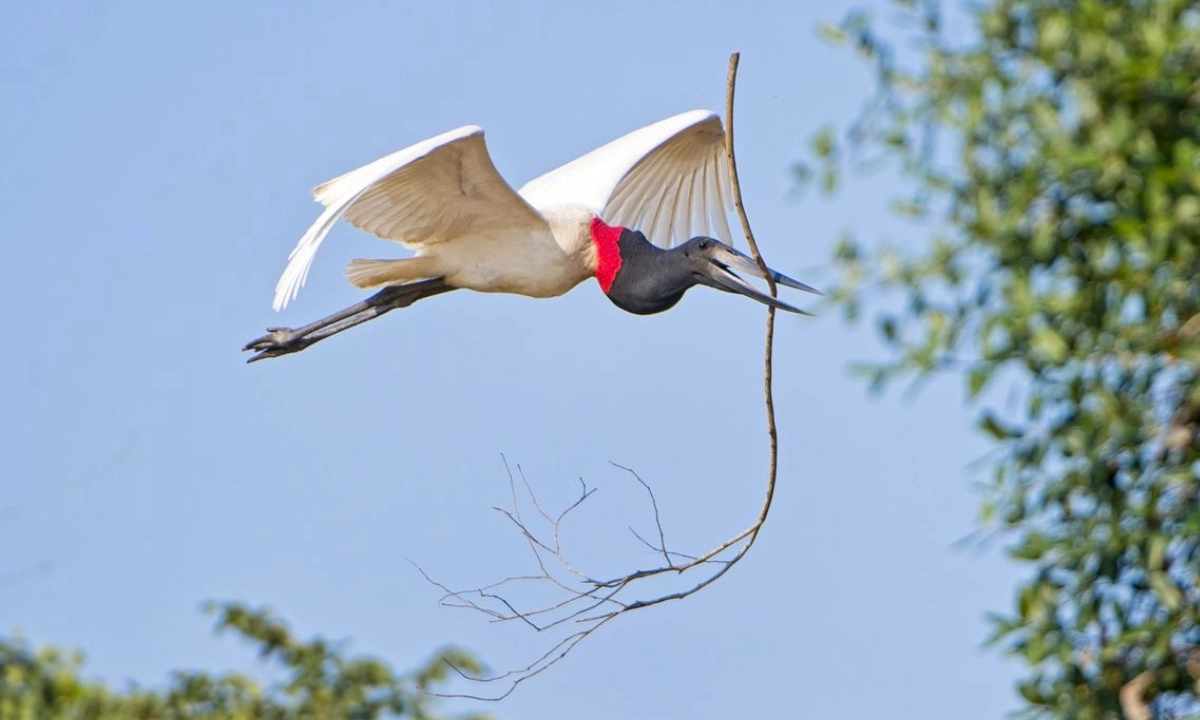
- Jabiru (Jabiru mycteria), the largest stork in the Americas, known in some Amazonian regions as tuyuyú or tururú, commonly found in wetlands and flooded areas.
- Hoatzin (Opisthocomus hoazin), a prehistoric-looking Amazonian bird that inhabits lakes, oxbow lakes, and slow-moving rivers.
- Blue-and-yellow Macaw (Ara ararauna), easily recognized by its striking blue and yellow plumage.
- Red-and-green Macaw (Ara chloropterus), a large macaw with brilliant red plumage and green and blue wings.
- Spix’s Guan (Penelope jacquacu), a large fruit-eating bird characteristic of Amazonian forests.
- Lineated Woodpecker (Dryocopus lineatus), a large woodpecker with black plumage and a striking red crest, commonly found in Amazonian forests.
The best time to visit is from May to January, during the months of lower water levels and less extreme weather conditions.
5. Allpahuayo-Mishana National Reserve
Near Iquitos, Allpahuayo-Mishana protects unique white-sand forests with exceptional wildlife. Around 498 bird species have been recorded here. Particularly notable are the endemic birds of these white-sand forests, including:
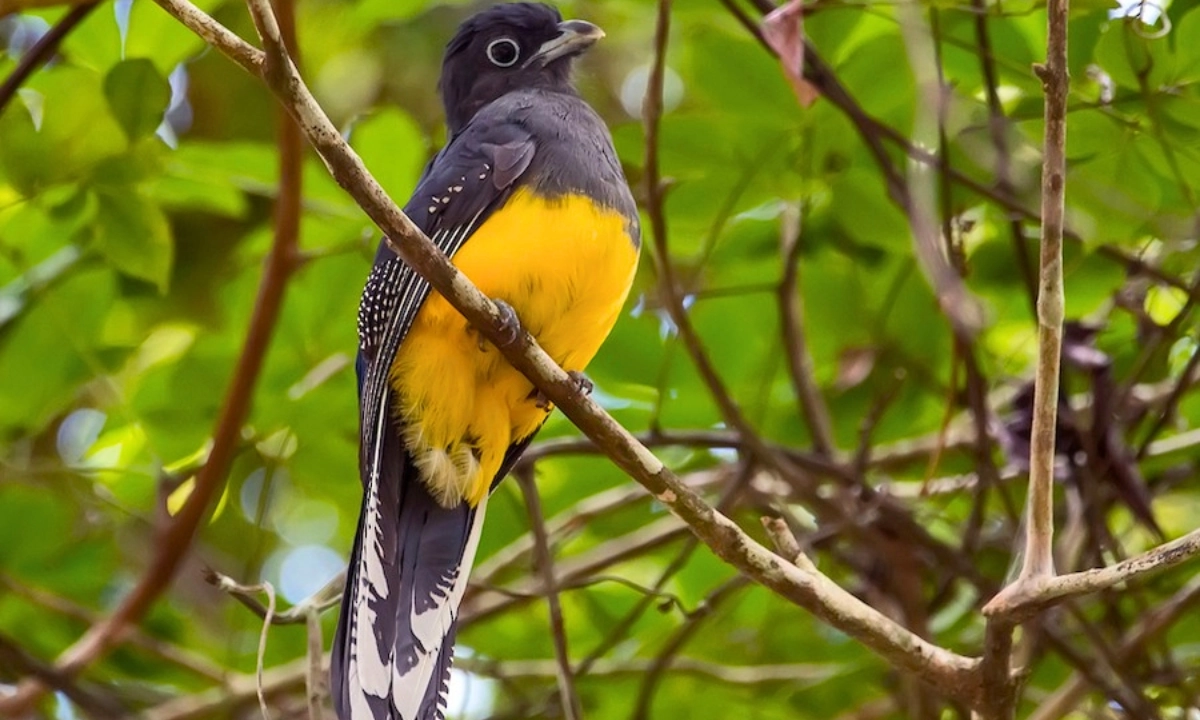
- White-tailed Trogon (Trogon viridis), a striking trogon with a green and yellow breast and a white underside to the tail.
- Iquitos Gnatcatcher (Polioptila clementsi), a small bird endemic to the white-sand forests of the Iquitos region.
- Allpahuayo Antbird (Percnostola arenarum), an endemic bird found exclusively in the white-sand forests of northeastern Peru.
- Mishana Tyrannulet (Zimmerius villarejoi), a small flycatcher endemic to the white-sand forests of the Peruvian Amazon.
- Blue-and-yellow Macaw (Ara ararauna), easily recognized by its vivid blue and yellow plumage.
- White-throated Tinamou (Tinamus guttatus), a ground-dwelling bird characteristic of the Amazon rainforest understory.
The recommended season is from May to October (dry season), when the trails are accessible and wildlife is more active during the day.
6. Abra Patricia (Private Reserve)
The Abra Patricia Private Reserve (Amazonas, at 2,300 m along the highway to Tarapoto) is famous for its hummingbirds and high-elevation birds. It is home to more than 400 bird species, including the iconic Marvelous Spatuletail. Some of the standout species include:
- Long-whiskered Owlet (Xenoglaux loweryi), a tiny and mysterious cloud forest owl, an endemic jewel of the region.
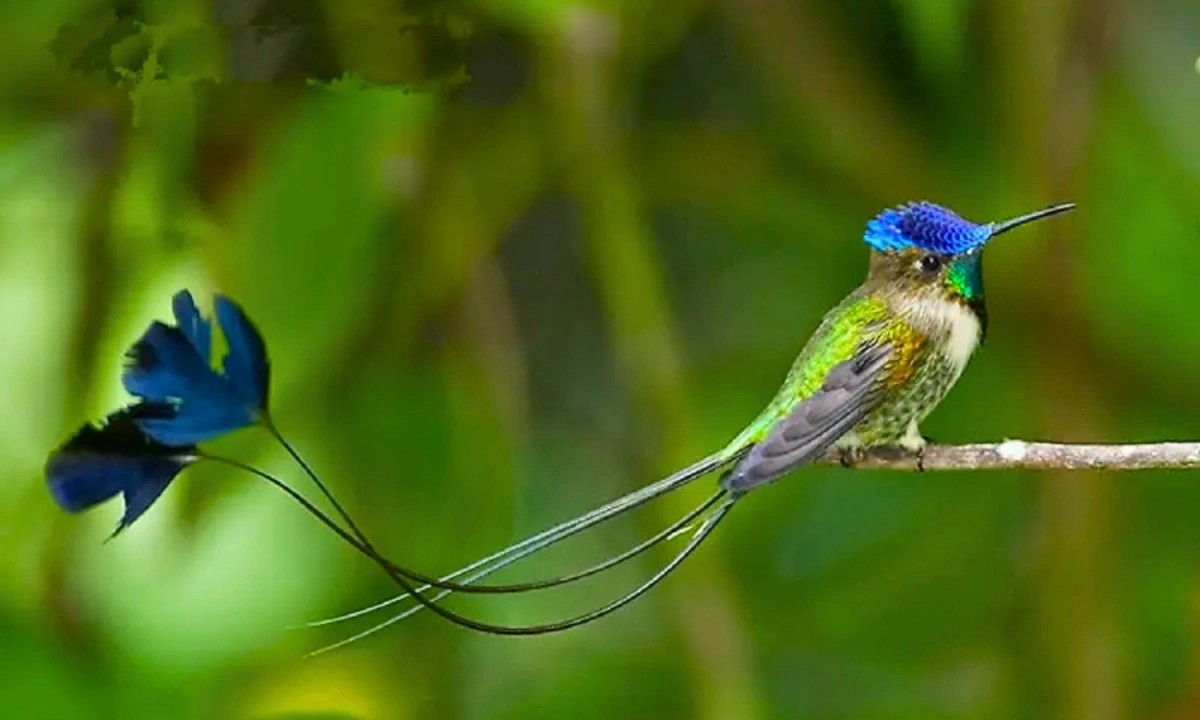
- Marvelous Spatuletail (Loddigesia mirabilis), also known as the marvelous hummingbird, primarily observed in the nearby Utcubamba Basin (Huembo).
- Sword-billed Hummingbird (Ensifera ensifera), one of the largest hummingbirds in the world.
- Rufous-vented Whitetip (Urosticte ruficrissa), with brilliant emerald plumage and white tail patches, typical of Peru’s eastern Andean slopes.
- Red-faced Parrot (Hapalopsittaca pyrrhops), a colorful and threatened Andean species that inhabits these montane forests.
The ideal season to visit is from June to November (dry season), when more hummingbirds are present and trail conditions are at their best.
7. Yanachaga-Chemillén National Park (Oxapampa/Pozuzo)
In Peru’s central rainforest (Pasco), Yanachaga-Chemillén protects forests ranging from 370 to 3,800 meters (1,214 to 12,467 ft) above sea level. It is home to approximately 664 bird species. Among its most iconic birds are:
- Andean Cock-of-the-rock (Rupicola peruvianus), Peru’s national bird, famous for its brilliant orange courtship display.
- Golden-headed Quetzal (Pharomachrus auriceps), a brilliantly colored Amazonian quetzal.
- Gray-breasted Mountain Toucan (Andigena hypoglauca), a large toucan of the Andean mountains.
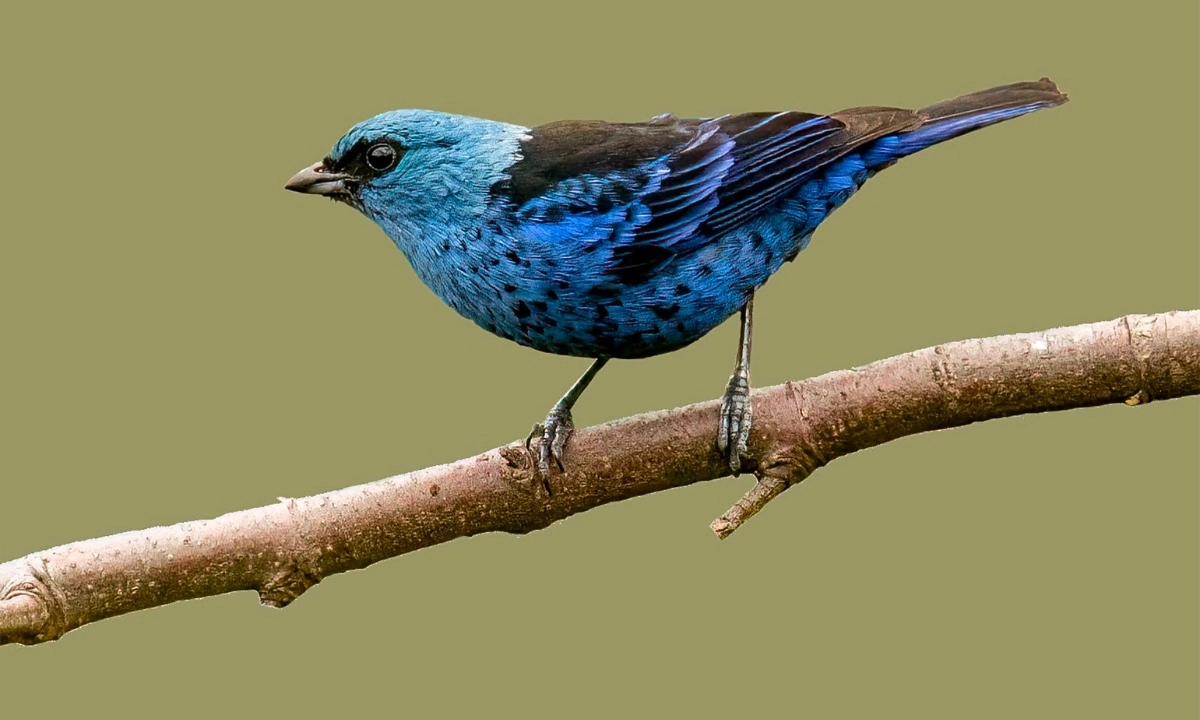
- Blue-and-black Tanager (Poecilostreptus vassorii), a striking tanager with vivid blue and black plumage, characteristic of Andean cloud forests.
- Crested Oropendola (Psarocolius decumanus), a bird with a long black tail and bright yellow plumage.
The recommended season is from April to October, the dry season in the area, since during the rainy season several trails (such as Huampal) may become inaccessible.
The Best Season for Birdwatching in the Amazon
In general, the dry season in the Peruvian Amazon (approximately May through October) is the most favorable time for birdwatching. During these months, river levels are lower, and trails and jungle lodges are more accessible. Many species gather at natural feeding sites (clay licks), making them easier to observe during the early morning hours.
The rainy season (November through April) can bring heavy rainfall and flooded trails, although this is also when northern migratory birds arrive and the rainforest becomes even greener. In any case, each season offers unique opportunities: during the rainy season, the songs of nocturnal birds are heard more often, while the dry season provides better lighting for bird photography.
Tips for Birdwatching in the Amazon
- Choose the right time: Head out at dawn, when birds are most active and vocal. Late afternoon is also an excellent time for birdwatching.
- Bring the right equipment: Carry binoculars and, if possible, a camera with a good zoom lens. Wear a hat, earth-toned clothing, and avoid noisy or brightly colored clothing that may scare birds away.
- Be quiet and patient: Walk slowly along the trails and remain silent. If you stay still for a while, many birds may approach out of curiosity.
- Hire a local guide: An experienced guide knows the best trails and birding hotspots (clay licks, observation platforms). They also ensure your safety and provide valuable information.
- Do not use flash or bright lights: Especially during night excursions to observe owls and birds of prey, as flashes can frighten them.
- Respect the environment: Keep a safe distance from birds, never feed them, and do not disturb their nests. Following marked trails helps preserve nature for future visitors.
Frequently Asked Questions About the Best Birdwatching Spots in the Amazon
When is the best time to go birdwatching in the Amazon?
The dry season (May through October) is the best time, when water levels are lower and birds are easier to spot. During the rainy season, many northern migratory birds arrive, although travel conditions can be more challenging.
How many bird species can you see in the Amazon?
It depends on the location and the length of your trip, but in a park like Manu you can observe hundreds of different species over several days. Places such as Cocha Cashu have recorded 331 species in just 24 hours. A complete 5–7 day tour with an experienced guide typically allows visitors to see between 100 and 300 species.
Do I need a guide and an organized tour to visit the best birdwatching Spots in the Amazon?
Yes. All protected areas require authorized guides. A specialized operator such as Peru Jungle Trips provides safety, river transportation, and itinerary flexibility. They can customize your trip for beginners or experienced bird photographers, ensuring access to the best birdwatching areas.
What equipment should I bring for Amazon birdwatching tours?
Binoculars with at least 8×42 magnification are highly recommended, along with comfortable long-sleeved clothing in green or brown tones, biodegradable insect repellent, and sunscreen. A lightweight backpack with water and energy snacks is also useful.
How long does a typical Amazon birdwatching tour last?
Most tours last 5 to 7 days to explore several destinations (for example, Manu and Tambopata). Longer itineraries (10+ days) can be arranged for travelers especially interested in bird photography, covering multiple national parks and reserves.
The Peruvian Amazon is a must-visit destination for birdwatching, home to some of the best birdwatching Spots in the Amazon. The best way to experience this unforgettable birding adventure is to book your trip with Peru Jungle Trips, a tour operator with extensive experience in the region that customizes birdwatching tours according to your interests and preferences. Get ready to discover the rainforest and its exotic birds in complete comfort.