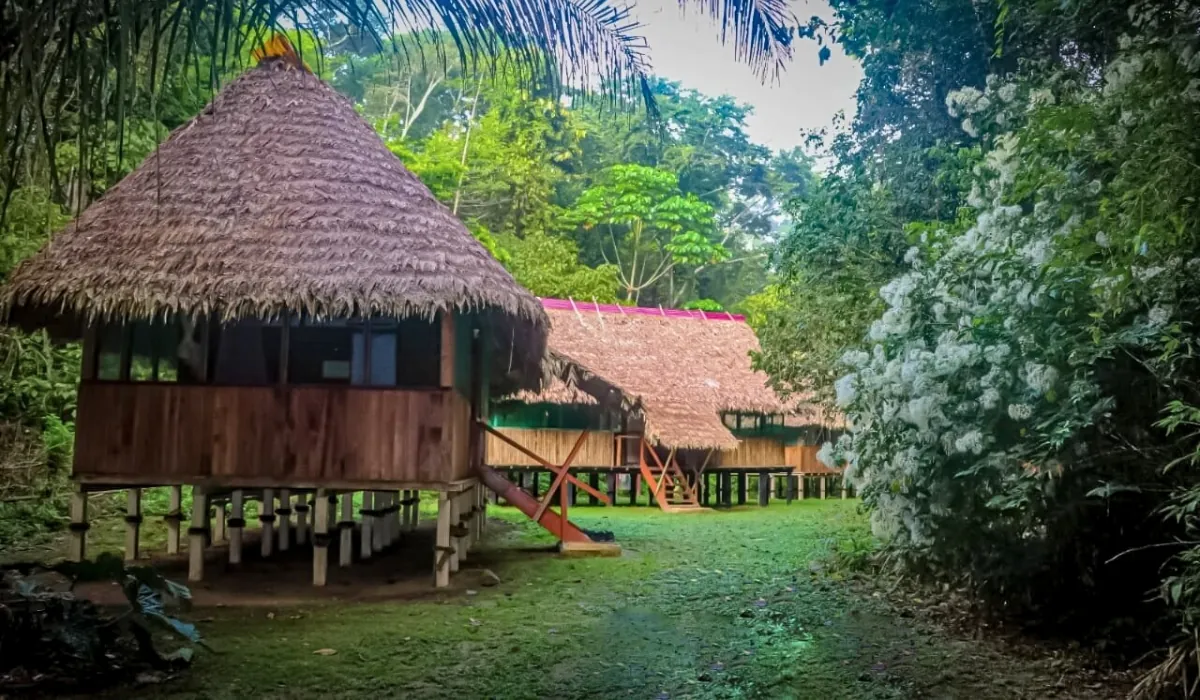
The Amazon is home to one of the largest concentrations of snakes in the world; in Peru alone, 222 species of snakes have been identified. Therefore, when walking along the trails of the Peruvian Amazon, it is inevitable to wonder What is the most venomous snake in Peru?.
At Peru Jungle Trips, we do not want to alarm you with a single answer, as there are several nuances regarding snakes. Some stand out for the potency of their venom, while others are responsible for the majority of accidents. That is why here we tell you more about each of them, how to identify them, and how to observe them safely.
1. The Shushupe: The Largest Venomous Snake in the Americas
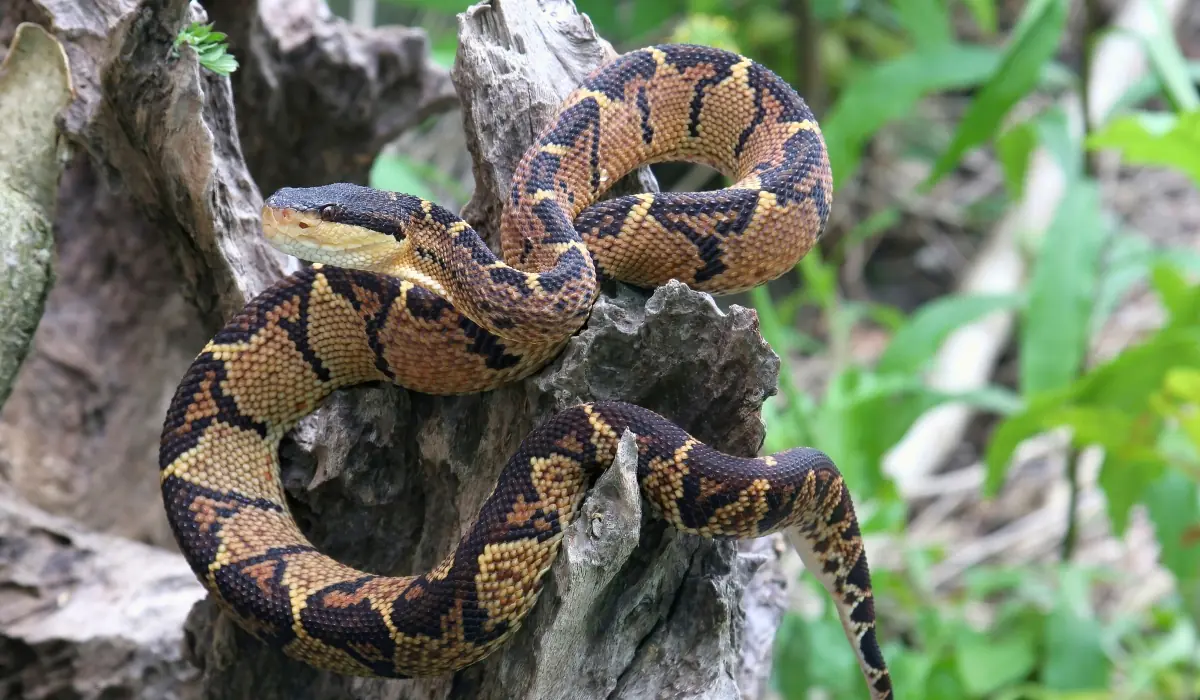
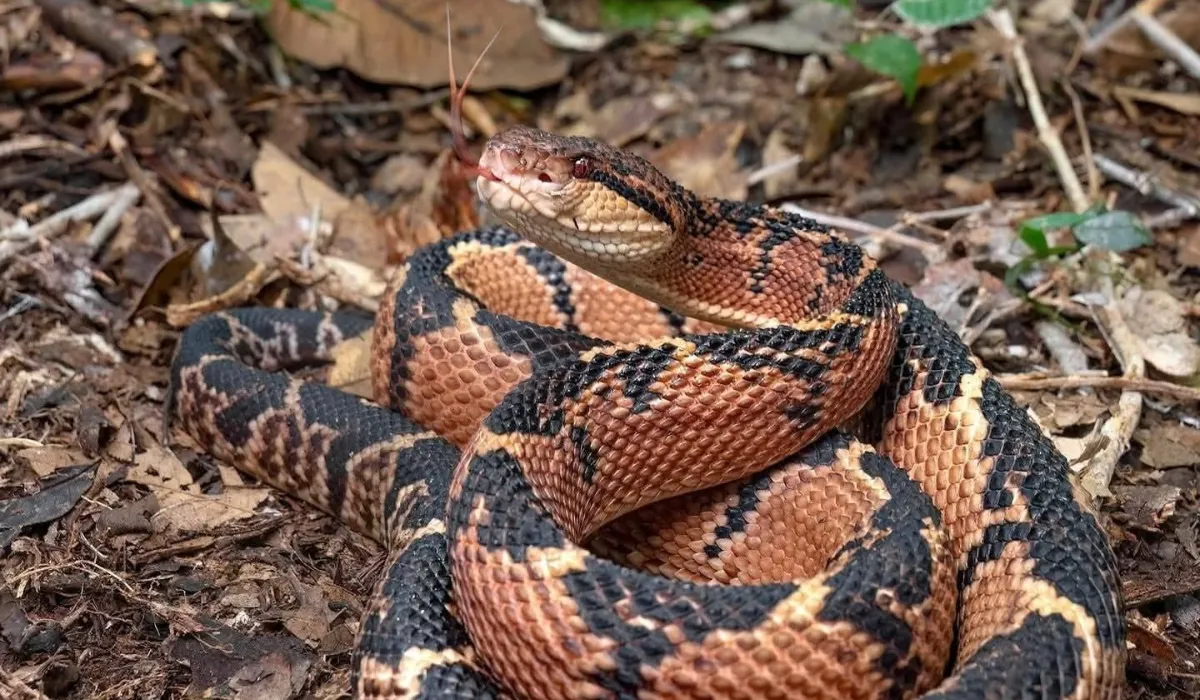
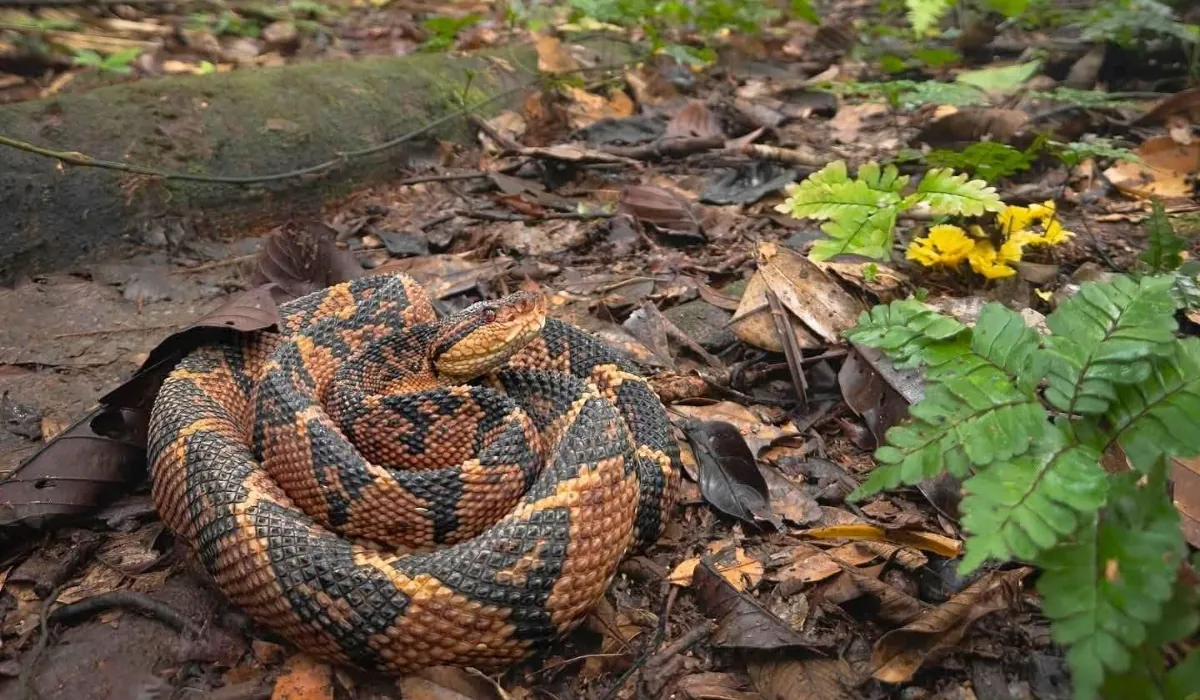
The South American bushmaster (Lachesis muta), popularly known as shushupe, is considered the most venomous snake in the Peruvian Amazon. This is because its venom is highly toxic and can be fatal.
Physical Characteristics of the Shushupe
- It inhabits the humid forests of South America.
- It usually measures between 2 and 3 meters in length, although shushupe snakes measuring up to 4 meters have been found. In exceptional cases, they can reach 4.5 meters.
- Its weight ranges from 12 to 24 kilograms.
- It is oviparous.
- Its body is orange, yellowish, or light brown with dark pinkish tones and dark brown diamonds.
- It has a black spot on the upper part of its head.
How Does Shushupe Venom Attack?
According to the INS Colombia, envenomation caused by Lachesis snakes produces highly consistent symptoms. Shushupe venom destroys tissues, disrupts the cardiovascular and nervous systems, and alters blood clotting. Symptoms may include:
- Cardiovascular collapse.
- Alteration of the autonomic nervous system, consequently causing symptoms such as abdominal cramps, nausea, vomiting, watery diarrhea, diastolic and systolic hypotension.
- Sinus bradycardia, hematuria, uncoordinated gait, and intermittent consciousness.
Even if the envenomation is mild, it may cause pain, mild edema, mild bleeding, among other symptoms. In cases of moderate envenomation, evident edema and discreet nasal and gingival bleeding may occur.
Despite the lethality of its venom, the chances of being attacked by a shushupe and experiencing severe envenomation are low. In Peru, cases of envenomation are fortuitous and isolated, so there is no exact statistic regarding this.
2. The Jergón: The Snake Responsible for Most Accidents
Although the shushupe is considered the most venomous snake in Peru, in everyday life there is another snake that locals fear more: the jergón (Bothrops atrox).
The jergón is a snake that inhabits different countries in South America. Its home is tropical humid forests, gallery forests, savannas, and grasslands.
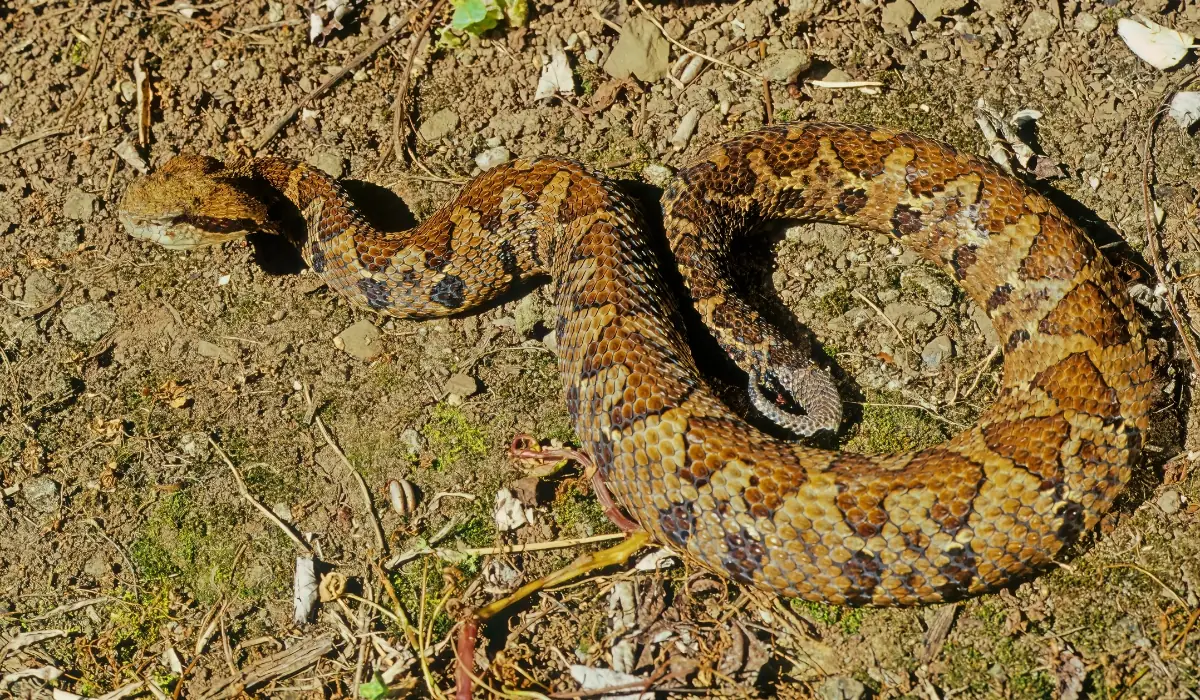
Characteristics of the Jergón
- Unlike the shushupe, it is smaller, measuring from 70 to 90 centimeters. Despite this, cases of jergón snakes measuring up to 1.62 meters have been reported.
- Its colors vary from light to dark brown, reddish, or somewhat grayish.
- It has markings that resemble an “M” or a butterfly. These markings can be dark caramel, light brown, or dark brown.
The jergón’s venom is also very potent and hemotoxic. It can cause clotting, hemorrhaging, tissue necrosis, and organ failure. This snake is responsible for the highest number of snakebite accidents because it also lives near populated areas.
- According to the study conducted by Pareja et al. at Santa Rosa Hospital in Puerto Maldonado, 71.1% of accident cases were caused by the jergón snake.
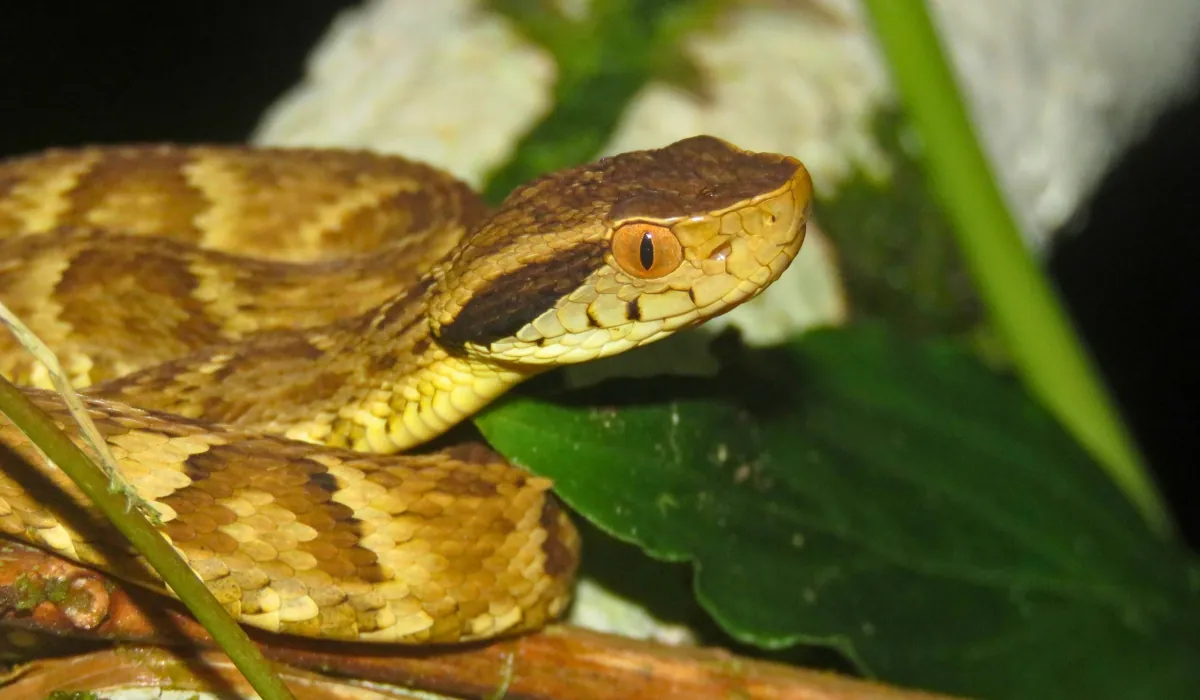
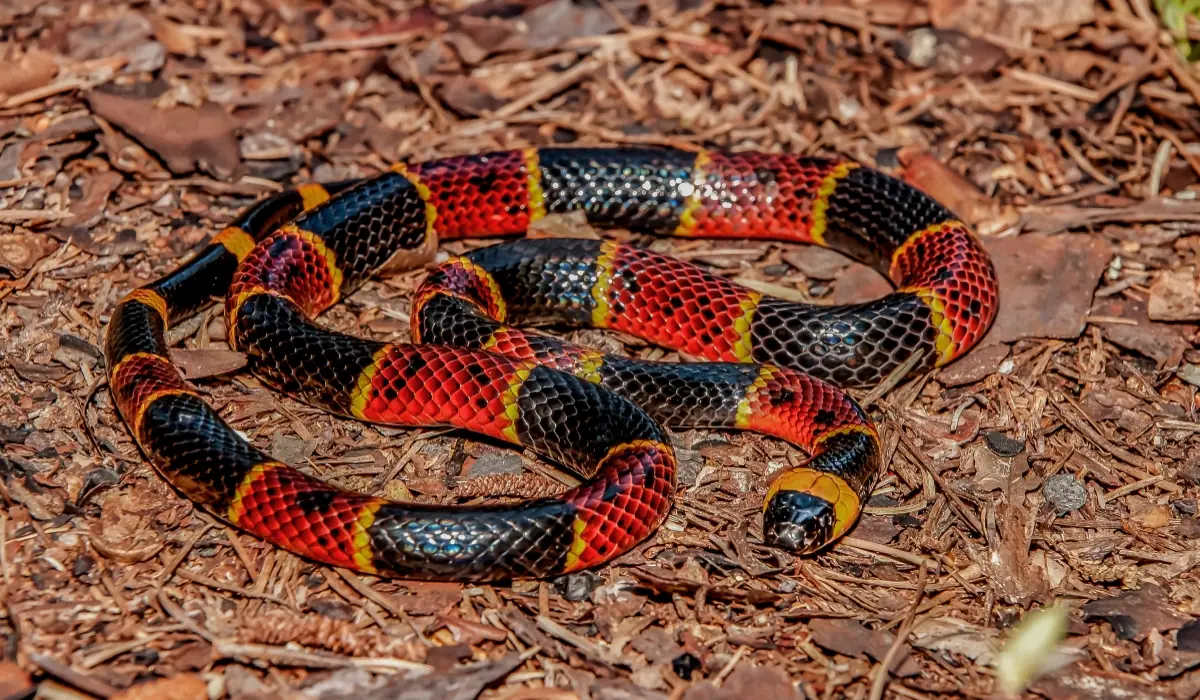
3. Amazonian Aquatic Naca Naca or Coral Snake
This snake is also widely recognized because of its potent venom, although, unlike the jergón, its behavior is more timid. The venom of the aquatic naca naca acts on the central nervous system. This snake is characterized by:
- Its nocturnal and aquatic habits.
- A diet based on fish.
- Reaching a length of up to 1.50 meters.
- Its distinctive tricolor pattern, with black rings forming triads separated by white rings.
What to Do If You See a Snake During Your Excursion?
The vast majority of accidents occur because people, accidentally or intentionally, invade a snake’s habitat by stepping on it or attempting to handle it. Therefore, reducing the risk of a snakebite is easier than you might imagine.
- Remember that snakes such as the shushupe stay away from human settlements and therefore have elusive behavior. If you see one, keep a safe distance and do not attempt to touch it.
- Do not panic, do not scream, and do not run; sudden movements can alert the snake.
- Slowly and gently move backward, without taking your eyes off it, until you are out of its range.
- Inform your guide. The guide has been trained for these situations and will know how to act quickly.
How to Prevent a Snake Attack in the Amazon
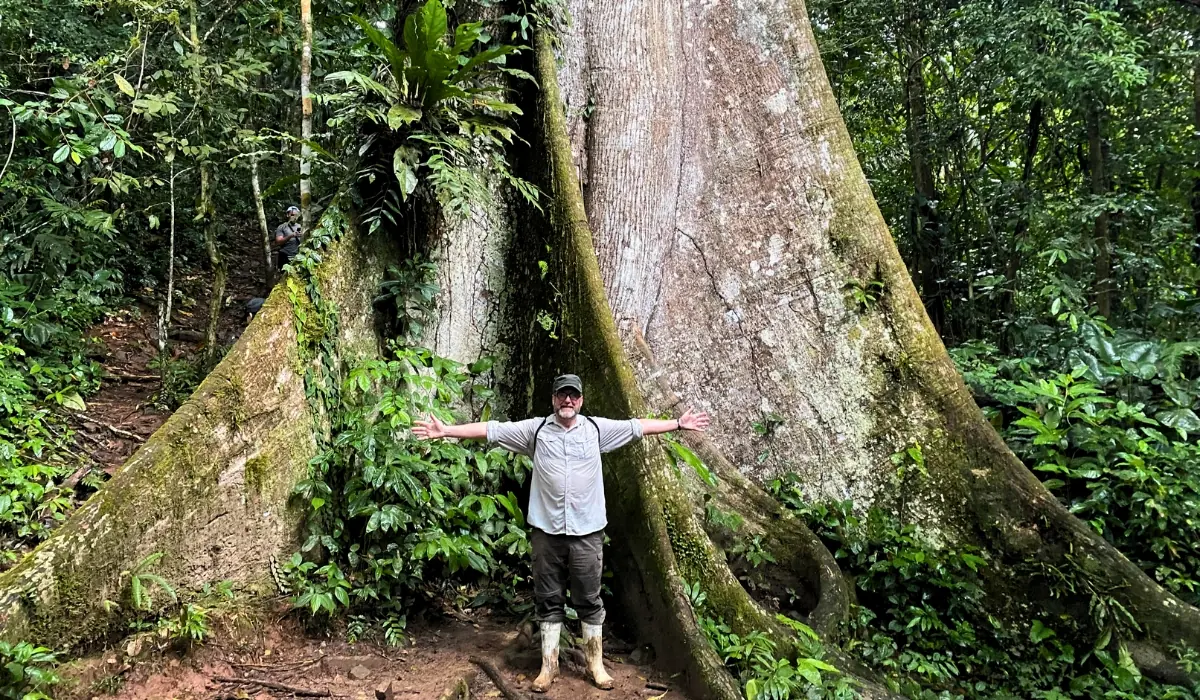
- Wear high boots when walking. Whether you are hiking during the day or at night, try to wear high boots, as they reduce the risk of being bitten by a snake.
- If you go on night walks, always carry a flashlight with you to avoid accidentally stepping on a snake.
- Follow trails previously marked by a guide. This way, you can observe wildlife from a safe distance and on previously established paths.
What to Do If I Am Bitten by a Venomous Snake?
- Move away from the animal while avoiding sudden movements. This will prevent it from biting you again.
- Immediately remove tight objects such as rings, bracelets, clothing, and others before the area begins to swell.
- Immediately alert your travel guide. They will take the necessary measures to prevent the venom from spreading.
- Contact a PIAS (Itinerant Platform for Social Action). These are located throughout the Peruvian Amazon, where they can provide specialized care to counteract the venom.
Experience the Jungle Safely
Observing the most elusive wildlife of the Peruvian Amazon is best done accompanied by experts. At Peru Jungle Trips, we work with professional guides specialized in Amazonian wildlife. Design your next excursion to Manu, Tambopata, or Iquitos with us. Get a quote for your tour to Manu National Park or schedule a night walk here.
Frequently Asked Questions
What Is the Most Venomous Snake in Peru?
The shushupe (Lachesis muta) is considered the largest venomous snake and one of the most potent in the Amazon, although the jergón (Bothrops atrox) is responsible for the vast majority of accidents due to its greater presence near inhabited areas.
Is It Common to Encounter Venomous Snakes on a Jungle Tour?
It is not common during classic daytime tours, as these species tend to inhabit little-traveled primary forest areas. The chances of encountering venomous snakes increase slightly during night walks; however, these walks are always conducted under expert supervision.
What Should I Do If I Am Bitten by a Snake in the Jungle?
- Stay calm.
- Remove all objects and clothing that cause pressure.
- Avoid moving the affected limb.
- Seek immediate medical attention.
- Do not attempt to suck out the venom.
Remember that serious tour operators have evacuation protocols for this type of emergency.
Do Amazonian Snakes Attack Without Provocation?
No. The vast majority of accidents occur during agricultural activities because snakes are accidentally stepped on or people attempt to handle them. Staying on marked trails and following the guide’s instructions reduces the risk almost completely.