
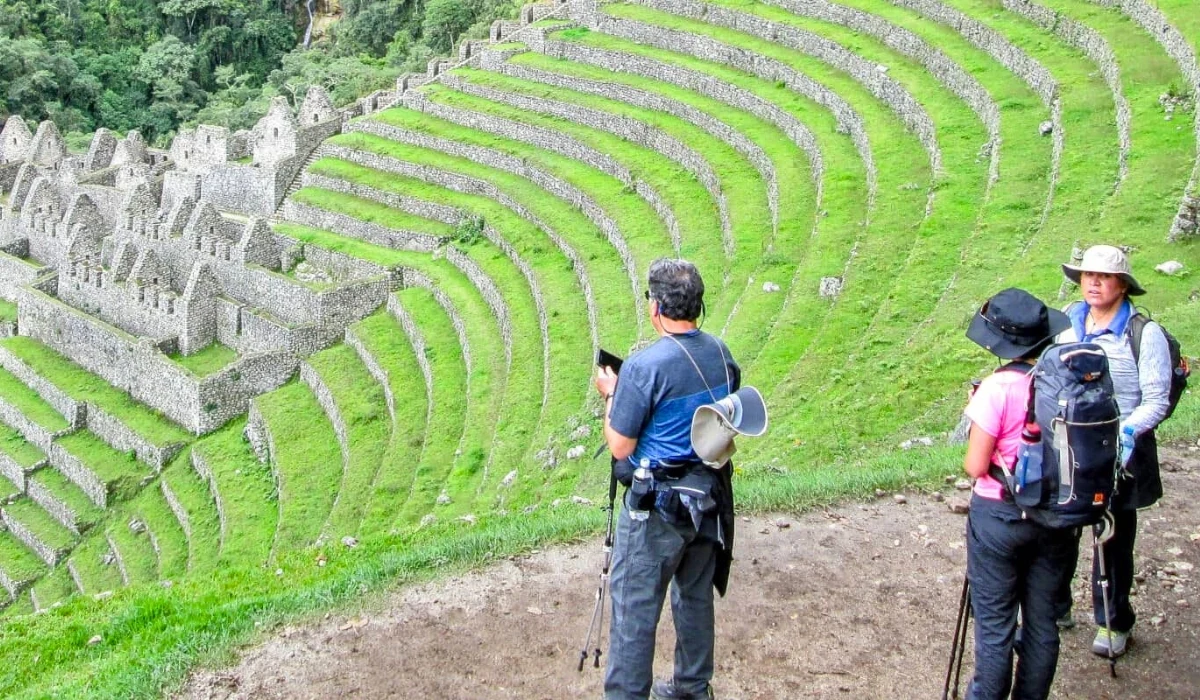
The Inca Trail to Machu Picchu is one of the most famous and sought-after hiking experiences in the world. In this Complete Guide to the Inca Trail to Machu Picchu, you will discover everything you need to know before living this unique adventure. From its ancient history to the day-by-day itinerary, including weather, the best time to travel, what to pack, and essential tips.
This Inca Trail trekking journey begins in Cusco and ends at the legendary citadel of Machu Picchu, following ancient Inca paths surrounded by mountains, jungle, and impressive archaeological sites. If you are planning one of the best hiking trips in the world, this Complete Guide to the Inca Trail to Machu Picchu is for you.
What is the Inca Trail to Machu Picchu?
The Inca Trail to Machu Picchu is an ancient hiking route built by the Incas that connects the Sacred Valley with the citadel of Machu Picchu. It is part of the extensive Inca road system known as the Qhapaq Ñan, considered a World Heritage Site.
Today, this route is a regulated hike that can only be done with authorized agencies, ensuring conservation of the trail and a safe experience for travelers.
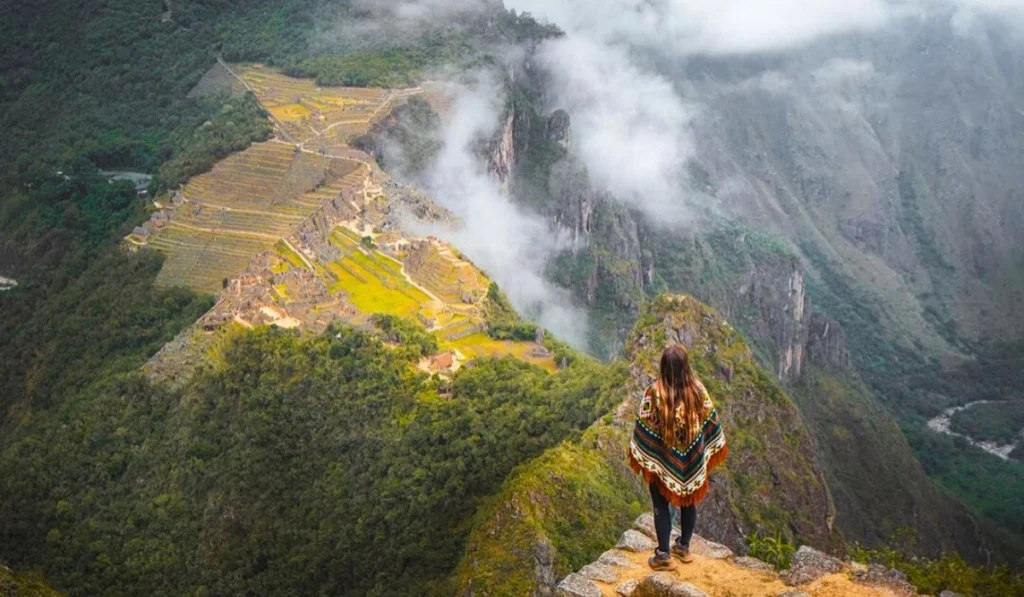
During the hike, trekkers cross different ecosystems, from high Andean zones to cloud forest, passing mountains, rivers, and ancient stone steps built more than 500 years ago. The final reward is entering Machu Picchu through the Sun Gate (Inti Punku), one of the most exciting moments of the journey.
Inca Trail Tour to the Inca Citadel of Machu Picchu
Why is the Inca Trail so famous?
- It is considered the best hiking route in the world
- It combines history, culture, nature, and adventure
- It allows visitors to explore exclusive Inca archaeological sites inaccessible by other means. Along the trail, impressive ruins such as Llactapata or Wiñayhuayna are visited. Each site reveals Inca plazas, terraces, and constructions.
- The trek crosses several ecological zones: from cold highlands (4,200 m at the Warmiwañusca Pass) to humid cloud forest on the lower slopes. You will see snow-capped mountains, lagoons, and jungle.
- It ends with a unique entrance to Machu Picchu through Inti Punku
- It offers an authentic Inca Trail hiking experience
These characteristics make the Inca Trail a unique experience worldwide, where each day combines spectacular landscapes with deep historical and cultural value. Walking this route not only means reaching Machu Picchu, but living an authentic journey that connects the hiker with the Inca heritage and the majesty of the Andes, as detailed in this complete guide to the Inca Trail to Machu Picchu.
Brief history of the Inca Trail
The Inca Trail was built in the 15th century as a ceremonial route and spiritual connection to Machu Picchu. It was not a commercial road, but a sacred path used by the Inca elite and imperial messengers. After the Spanish conquest, the trail remained hidden for centuries until it was rediscovered in the 20th century. Today, it is one of the most protected and valued trekking routes on the planet, a symbol of Peru’s cultural legacy.
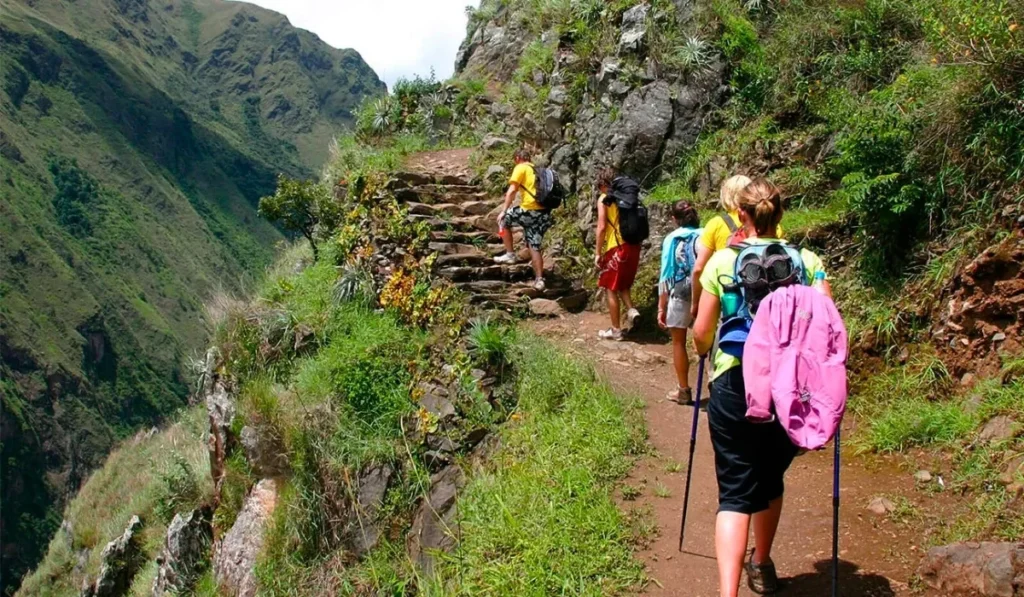
Inca Trail to Machu Picchu Trekking Options
There are two main ways to do the Inca Trail trekking to Machu Picchu:
The Classic Inca Trail
This is the most famous and complete route. It lasts 4 days and 3 nights, covers approximately 43 kilometers, and reaches a maximum altitude of 4,200 meters at the Warmiwañusca Pass. It is ideal for travelers seeking the complete Inca Trail experience, combining physical challenge, spectacular scenery, and multiple archaeological sites.
The Short Inca Trail
This option lasts 2 days and 1 night and is perfect for those with limited time or who prefer a less demanding hike. It allows visits to Wiñayhuayna, Inti Punku, and Machu Picchu, preserving the most important highlights of the classic route.

Classic Inca Trail to Machu Picchu Tour Itinerary
Day 1: Cusco – Km 82 – Wayllabamba – Ayapata
Early departure from Cusco to Km 82, the official starting point of the Inca Trail. The hike begins gently, visiting Llactapata, one of the first archaeological sites, and continues to the Ayapata campsite, surrounded by Andean mountains.
Day 2: Ayapata – Llulluchapampa – Warmihuañusca – Pacaymayu – Chaquicocha
The most demanding day of the route. From Ayapata, the ascent begins in the morning toward the plateau of Llulluchapampa (3,850 m). Then the trail reaches the Warmiwañusca Pass (4,200 m), known as the “Dead Woman’s Pass” due to its silhouette resembling a female profile. After overcoming this point, the most challenging of the entire trail, the route descends through a glacial valley to the Pacaymayu campsite (3,600 m). Finally, there is a last gentle ascent to Chaquicocha (3,650 m), where camp is set for the night.
Day 3: Chaquicocha – Phuyupatamarka – Wiñayhuayna
This day combines moderate hikes with visits to impressive archaeological sites such as Phuyupatamarca and Intipata, before reaching the Wiñayhuayna campsite, one of the most beautiful Inca complexes along the trail.
Day 4: Wiñayhuayna – Inti Punku – Machu Picchu – Aguas Calientes – Cusco
Departure before dawn toward Inti Punku, from where travelers get the first view of Machu Picchu. Afterwards, a guided tour of the Inca citadel is conducted, followed by the return to Cusco via Aguas Calientes.
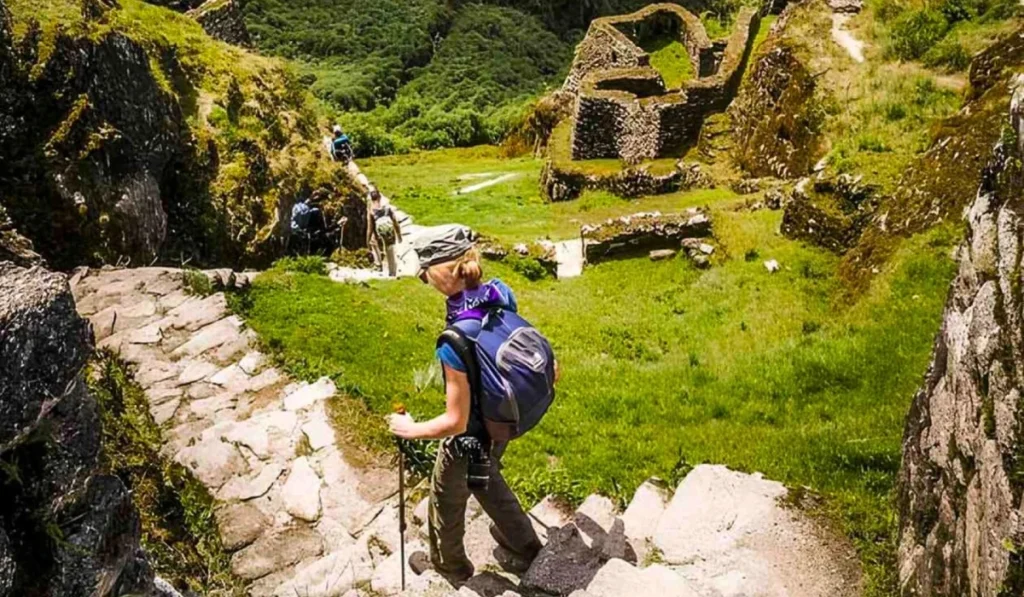
Archaeological Sites of the Inca Trail to Machu Picchu
- Llactapata (also called Patallacta): Large complex of Inca agricultural terraces located next to the Urubamba River, at approximately 2,600 m of altitude. Inca dwellings and horseshoe-shaped terraces can be observed here.
- Runkurakay: Circular Inca structure located at 3,700 m of altitude, with two concentric walls. It is believed to have been a tambo (rest stop) or a watchtower for Inca messengers.
- Sayacmarca: Inca fortress or “suspended town,” built on a steep rocky outcrop. It has a single entrance, accessible through a staircase carved into the stone.
- Phuyupatamarca: Known as the “city above the clouds” (3,600 m), it features extensive hillside terraces, plazas, and ritual temples. It was an important Inca refuge with views toward Machu Picchu.
- Intipata: Set of Inca agricultural terraces (2,800 m), recently discovered between Phuyupatamarca and Wiñayhuayna. Its name means “Bed of the Sun” and it offers views of the Machu Picchu valley.
- Wiñayhuayna: The last major Inca settlement along the trail (2,650 m). Well preserved, it features platforms, temples, and stepped plazas on the hillside, surrounded by cloud forest. Its name means “Forever Young” in Quechua.
- Inti Punku (Sun Gate): Final viewpoint before Machu Picchu, at 2,720 m of altitude. It is the first point from which the citadel is seen at sunrise.
- Machu Picchu: The final destination of the trail. This Inca citadel (2,430 m) is a masterpiece of architecture, with imposing walls and terraces carved into the rock. It is a World Heritage Site and one of the New Seven Wonders of the World.
Each of these sites adds unique historical and cultural value to the hiking journey to Machu Picchu.
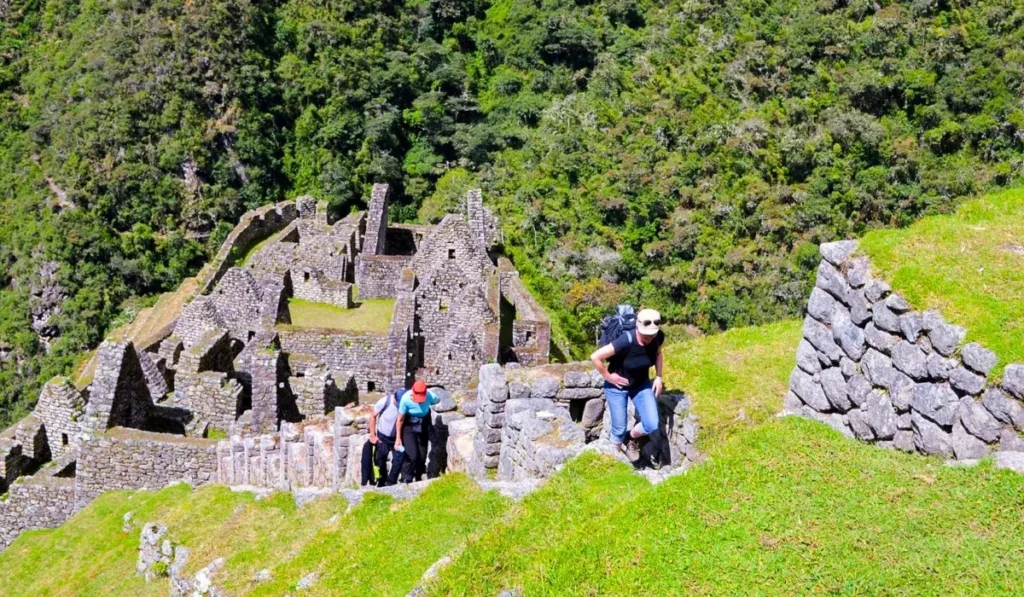
Weather and Temperature on the Inca Trail
The weather on the Inca Trail varies according to altitude. During the day, temperatures can range between 18 °C and 22 °C, while at night they can drop to 0 °C, especially in higher areas. It is essential to be prepared for sudden weather changes, including intense sun, rain, and cold.
Best Time to Travel: Complete Guide to the Inca Trail to Machu Picchu
Rainy Season on the Inca Trail
It runs from November to March, with frequent rainfall and slippery trails. February is the month of complete closure of the Inca Trail for maintenance.
Dry Season on the Inca Trail
From April to October, considered the best season. The ideal months are April, May, September, and October, when there is less rain and better views.
What to Pack for the Inca Trail to Machu Picchu Tour: Essential List
- Important documents: Valid original passport (required for entry and checkpoints). Also carry safety photocopies or a digital copy.
- Layered clothing: Long-sleeve thermal shirts, fleece or down jacket, and a waterproof windbreaker. This allows you to add or remove layers as weather conditions change. Avoid cotton and prioritize quick-drying fabrics.
- Pants and socks: Durable trekking pants (optionally convertible). Bring several pairs of wool or technical socks to keep your feet dry. It is recommended to include camp sandals to rest at night.
- Footwear: Well-fitted hiking boots with good support, ideal for uneven trails. It is recommended to break them in before the trip to avoid blisters.
- Sleeping bag: Preferably a mummy-style bag rated to -10 °C (many tours provide one, but it is important to confirm). You may add an inflatable sleeping pad for extra comfort.
- Sun protection and hydration: Hat or cap, high-quality sunglasses, and high-protection sunscreen (SPF 30+). Carry at least 2 liters of water or a hydration bladder to drink consistently.
- Additional items: Trekking poles (help reduce fatigue on descents), rain gear or poncho, headlamp with extra batteries, and a small daypack. Do not forget insect repellent or a basic first-aid kit.
- Miscellaneous: Plastic bag or dry bag for wet clothes, small towels, toilet paper, and soft tissues. Carry money in Peruvian soles, preferably small bills, for snacks, tips, or purchases in Aguas Calientes.
Essential Tips for Hiking the Inca Trail
- Acclimatize in Cusco for at least 2 days beforehand
- Book several months in advance
- Train before the trip
- Maintain a steady pace during the hike
- Stay well hydrated and follow the guide’s instructions
- Choose a reliable and authorized agency
For a safe, organized, and authentic experience, Peru Jungle Trips is the best option to explore the Inca Trail to Machu Picchu, thanks to its experience, professional guides, and focus on service quality.
Frequently Asked Questions about the Complete Guide to the Inca Trail to Machu Picchu
1. Why is the Inca Trail so famous?
It is one of the most renowned hiking routes in the world because it combines history, nature, and adventure. The trail ends at Machu Picchu, one of the seven wonders of the modern world, and passes through numerous Inca archaeological sites, as well as unique Andean landscapes. The experience of crossing high mountain passes and discovering the citadel at sunrise makes it an unforgettable journey.
2. During which season is it recommended to hike the Inca Trail?
The best time to hike the Inca Trail is during the dry season, from May to October, when the weather is more stable and rainfall is minimal. The most recommended months are April, May, September, and October. Traveling between January and March is discouraged due to heavy rains; additionally, in February the trail is closed for maintenance.
3. How many days does the Classic Inca Trail last?
The classic Inca Trail route is completed in 4 days and 3 nights. There are also alternative itineraries of 1 to 2 days, known as the Short Inca Trail. The stages are carefully planned to allow a balanced hike and to culminate with arrival at Machu Picchu on the fourth day, as detailed in this Complete Guide to the Inca Trail to Machu Picchu.
4. Is hiking the Inca Trail difficult?
The Inca Trail is a moderate to challenging physical challenge, mainly due to altitude and long ascents. The most demanding section is the Warmiwañusca Pass, at 4,200 m of altitude. It does not require climbing techniques, but it does require good physical condition. With prior preparation, acclimatization, and a steady pace, most hikers are able to complete it without difficulty.
6. Which agency is recommended for booking the Inca Trail?
It is always recommended to book with agencies authorized by the Peruvian government. One outstanding option is Peru Jungle Trips, a local operator with excellent reviews, certified guides, and comprehensive services that ensure safety, organization, and a high-quality experience throughout the entire route.
7. Why book the Inca Trail in advance?
Entry permits for the Inca Trail are limited and sell out quickly, especially during the high season. It is recommended to book several months in advance.
This Complete Guide to the Inca Trail to Machu Picchu shows that this is not just a trip, but a transformational experience. If you dream of hiking one of the best trekking routes in the world, connecting with Inca history, and reaching Machu Picchu on foot, this is the perfect moment to do it.
Book your adventure with Peru Jungle Trips and experience the Inca Trail to Machu Picchu as it truly deserves. Contact us and book your Inca Trail hike.