

The wildlife of Manu National Park is one of the greatest natural wonders of the Peruvian Amazon and of the world. This destination is recognized by scientists, travelers, and nature lovers as one of the places with the highest biodiversity on the planet. Taking a tour in the tropical rainforest of Manu means venturing into an almost untouched environment, where it is possible to observe animals in the wild, pristine landscapes, and unique ecosystems. It turns every excursion into an authentic, educational, and deeply exciting experience, ideal for those seeking a real adventure in the Amazon rainforest.
Manu National Park
Manu National Park is located in southeastern Peru, between the regions of Cusco and Madre de Dios, and extends from the Andes to the Amazon lowlands. This wide geographic variation allows the existence of cloud forests, high jungle, and low jungle, which explains its extraordinary natural richness. The wildlife of Manu includes thousands of species of plants, birds, mammals, reptiles, and amphibians that live in natural balance.
This park is recognized as a Biosphere Reserve and Natural World Heritage Site, which guarantees its protection and conservation. Visitor areas are carefully regulated to allow responsible tourism without affecting wildlife. During the tours, visitors can explore interpretive trails, Amazonian rivers, natural lagoons, and famous clay licks where multicolored birds gather. All of this makes Manu an ideal destination for ecotourism and wildlife observation in the Amazon rainforest.
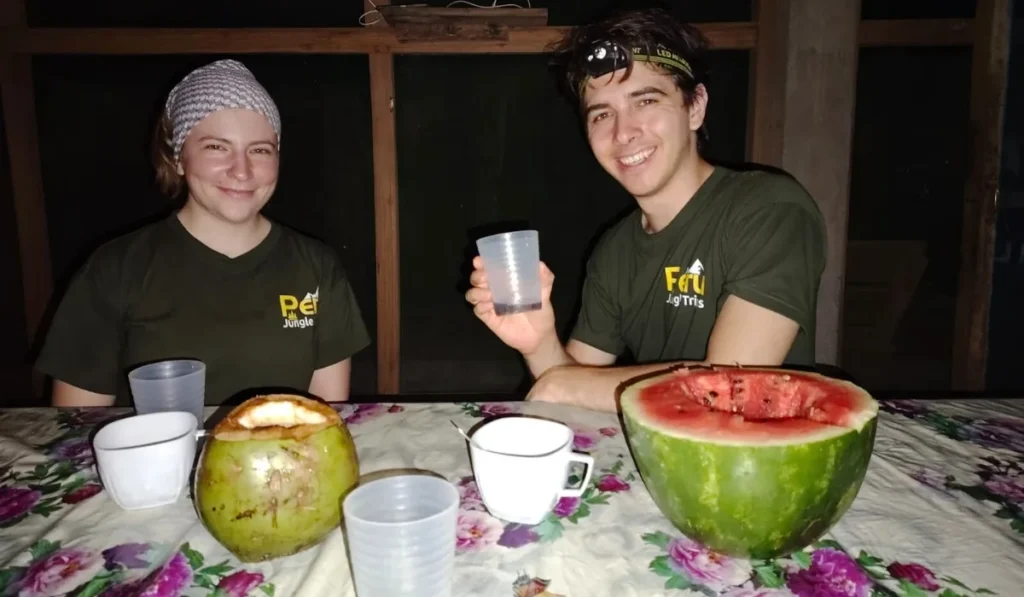
Advantages of Taking Wildlife Tours in Manu National Park
Taking wildlife tours in Manu National Park offers unique advantages compared to other Amazon destinations. One of the main ones is the possibility of observing animals in their natural habitat, without cages or human interference. The wildlife of Manu is displayed authentically thanks to low tourist pressure and strict conservation regulations.
Organized tours include specialized guides, safe transportation, meals, and accommodation in eco-lodges. This allows travelers to focus solely on enjoying the experience. In addition, by traveling through strategic areas of the park, the chances of spotting mammals, birds, and reptiles increase significantly.
- Access to exclusive high-biodiversity areas that are inaccessible without a guide.
- Guides specialized in Manu wildlife, who know how to identify sounds, tracks, and animal behavior.
- Greater probability of spotting animals of Manu National Park.
- Safe and organized travel, with transportation, permits, and accommodation included.
- Real learning about ecotourism and conservation.
- An authentic Amazon rainforest experience, far from mass tourism.
Choosing a well-organized tour maximizes every moment in the jungle. For this reason, Peru Jungle Trips stands out as the best agency to explore the wildlife of Manu National Park, thanks to its focus on quality, safety, and respect for nature.
Tours to Manu National Park
- Manu Jungle Tour (4 Días)
- Manu Zona Reservada (5 días)
- Manu Zona Reservada (6 Días)
- Expediciones a la selva amazónica del Manu (7 días)
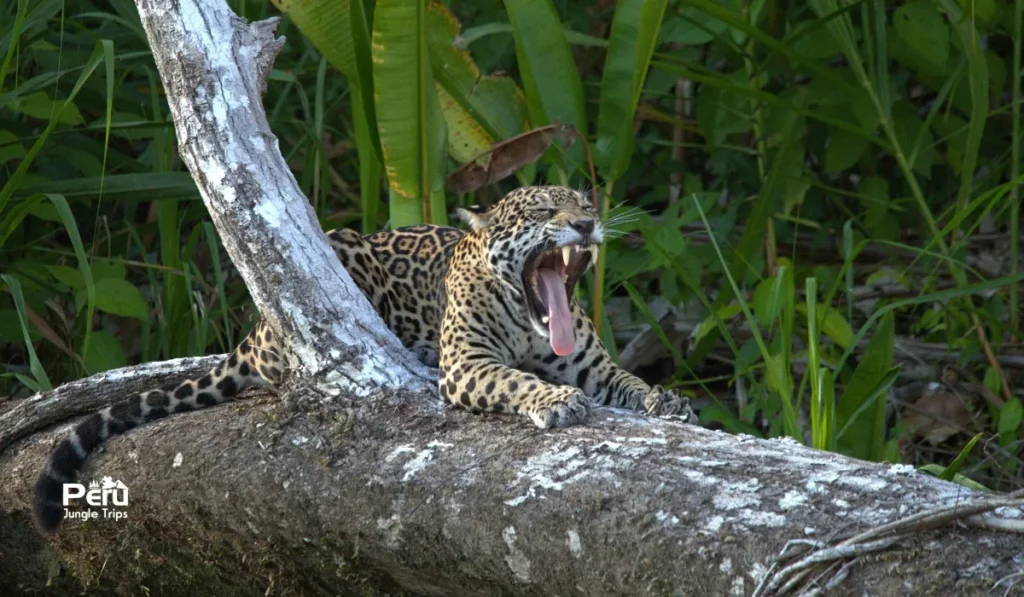
Wildlife Watching in Manu National Park
1. Amazonian Mammals That Inhabit Manu
- Otorongo (jaguar), the largest feline in the Americas and a symbol of the Amazon rainforest.
- Sachavaca (Amazon tapir), the largest terrestrial mammal in the region.
- Giant otter, a social species that inhabits rivers and lagoons of Manu.
- Amazon pink river dolphin, one of the most iconic animals of the Amazon.
- Pygmy marmoset, the smallest primate in the world.
- Capybara, the largest rodent on the planet, commonly found near rivers.
These animals are an essential part of the wildlife of Manu National Park and can be observed during hikes, boat rides, and guided explorations.
2. Tropical Birds of Manu National Park
- Scarlet macaw, famous for its intense colors.
- Blue-and-yellow macaw, very common at clay licks.
- Large-billed toucan, a fruit-eating bird with a striking appearance.
- Andean cock-of-the-rock, the national bird of Peru.
- Harpy eagle, one of the most powerful birds of prey in the world.
- Hoatzin, a prehistoric bird that inhabits swampy areas.
The wildlife of Manu National Park makes this destination one of the best places in the world for birdwatching in the Amazon.
3. Reptiles of Manu National Park
- Black caiman, a large predator of Amazonian rivers.
- Green anaconda, one of the largest snakes in the world.
- Green iguana, common in trees near water.
- Basilisk, known for its ability to run on water.
4. Amphibians of Manu National Park
- Poison dart frog, with bright colors.
- Amazonian toad, frequently found on humid trails.
- Tree frog, adapted to life in trees.
- Glass frog, famous for its translucent skin.

Wildlife Photography in Manu National Park
To capture the wildlife of Manu, it is recommended to use long-range lenses and always remain silent. Photographing early in the morning increases the chances of obtaining good images. It is important to not use flash, protect equipment from humidity, and always respect distance from animals. Patience is key to achieving unique photographs of the wildlife of Manu.
Best Season for Wildlife Tours in Manu
The best time to visit Manu National Park is during the dry season, between May and October. During these months, weather conditions make hiking and wildlife observation easier. The wildlife of Manu National Park concentrates near water sources, which increases observation opportunities. However, each season offers different and valuable experiences.
Essential Tips for Your Trip to Manu National Park
- Always travel with authorized operators.
- Bring lightweight, waterproof, long-sleeved clothing.
- Use insect repellent and sunscreen.
- Strictly respect park regulations.
- Maintain a responsible attitude toward the conservation of Manu wildlife.

Frequently Asked Questions About the Wildlife of Manu National Park
1. What animals can be seen in Manu?
Manu National Park includes jaguars, tapirs, monkeys, macaws, caimans, frogs, and hundreds of other species. Each excursion offers unique wildlife observation opportunities.
2. Where does the trip to Manu begin?
Most tours depart from Cusco, combining overland and river transportation before entering the rainforest. Planning your next trip? At Peru Jungle Trips, we specialize in creating unforgettable Amazon adventures. To complete your travel logistics, you can find flight options via KAYAK.
3. Why choose an organized tour to Manu National Park?
An organized tour allows you to experience the wildlife of Manu National Park in a safe, educational, and responsible way. It also maximizes wildlife sighting opportunities and contributes to ecosystem conservation.
The wildlife of Manu is an experience that transforms the way you see nature. A well-organized tour not only allows you to observe incredible animals, but also to connect with one of the most valuable ecosystems on the planet. Booking this adventure is the first step toward an unforgettable experience in the Peruvian Amazon rainforest. Contact us and book your wildlife watching trip to Manu.