
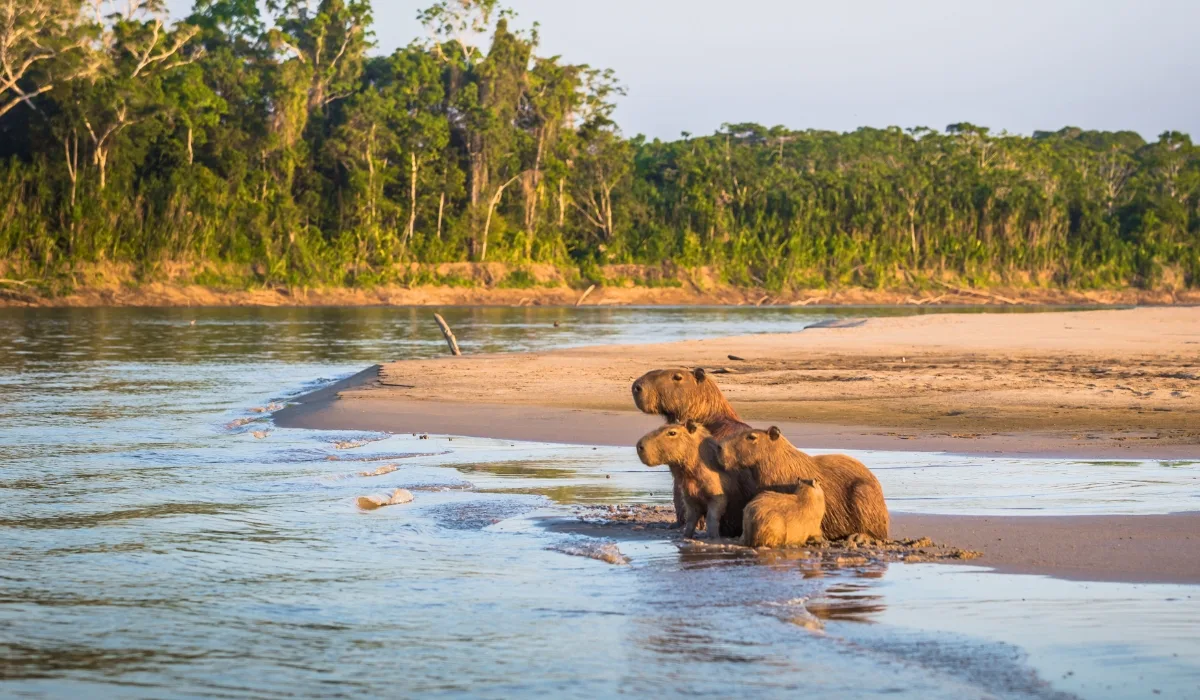
This travel guide to the Peruvian Amazon is designed for travelers who want to explore one of South America’s most fascinating destinations. The region is renowned for its extraordinary biodiversity, mighty rivers, and the cultural richness of Amazonian communities. These communities live deep in the rainforest and preserve ancestral traditions. With incredible wildlife, vibrant flora, and authentic experiences in the heart of nature, this destination offers unique and memorable adventures for every type of traveler.
Dive deep into the lush Amazon rainforest and discover the main areas to explore, the best time to visit, essential travel tips, and the best multi-day tours. This guide brings together all the information you need to plan a complete and well-organized trip to the Peruvian Amazon.
Five Key Facts
- The Peruvian Amazon can be visited year-round, although the dry season usually offers better conditions for hiking and wildlife viewing.
- The main gateways to the Peruvian rainforest are Iquitos, Puerto Maldonado (Tambopata), Manu, and Tarapoto, each offering different access routes, ecosystems, and types of experiences.
- A typical trip to the Peruvian Amazon lasts between 3 and 7 days, an ideal amount of time for boat excursions, guided hikes, and wildlife observation.
- For safe travel, it is essential to consider preventive health measures, use insect repellent, wear appropriate clothing, and always follow the instructions of the local guide.
- Booking with a specialized agency or lodge in the Peruvian Amazon improves logistics, safety, and the overall quality of the experience.
With extraordinary wildlife, vibrant flora, and unique local communities, the Peruvian Amazon offers memorable adventures for all types of travelers.
How large is the Peruvian tropical rainforest?
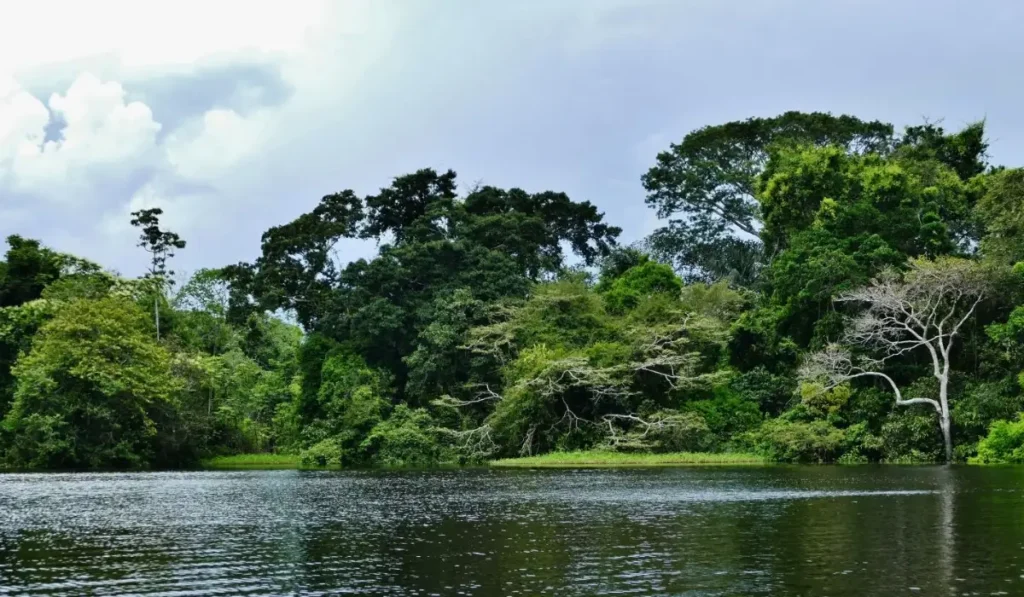
The Amazon rainforest covers approximately 5.5 million square kilometers. Of this total area, around 13% lies within Peruvian territory. This vast extension represents nearly 60% of the country. However, only about 5% of the population lives in this region.
Despite its low population density, discovering the unique culture of Amazonian Indigenous peoples is a highlight of any visit. This experience can be enjoyed in Iquitos and other areas of the Peruvian Amazon. It is also a key reason to include the tropical rainforest in any travel itinerary.
Top 3 destinations in the Peruvian rainforest
The Peruvian Amazon is a vast and diverse region. Depending on the area you visit, you will discover different landscapes, ecosystems, and experiences. Below are the three most popular destinations travelers choose for their Amazon adventure.
Puerto Maldonado (Tambopata National Reserve)
Puerto Maldonado is a city located in southeastern Peru, where the Madre de Dios River flows through the Tambopata National Reserve. The waterways surrounding the city serve as a gateway, providing access to one of the most biodiverse regions in the country.
While it is possible to organize tours with more adventurous activities in the area, this destination is especially popular among travelers who prefer staying at jungle lodges deep in the rainforest. From there, they can enjoy nature within a controlled and comfortable environment.

Iquitos
Located deep in the Peruvian rainforest, Iquitos is one of the best destinations in South America for observing tropical wildlife and enjoying an authentic Amazon experience.
Iquitos is accessible only by air, making it both an adventurous and practical option for exploring the rainforest. It is also the only place in Peru where you can visit the Amazon River itself, rather than just one of its tributaries.
Thanks to its privileged location, Iquitos allows visitors to spot rare species such as the pink river dolphin. It also offers visits to Indigenous communities that preserve ancestral traditions.
Manu National Park
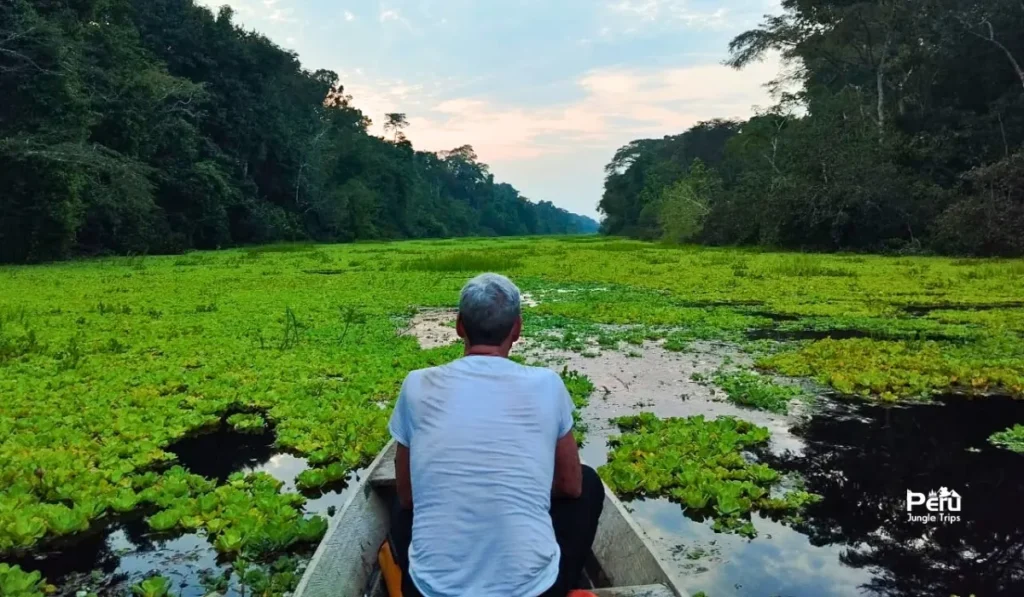
The Manu National Park is a UNESCO-certified protected area located in the Madre de Dios region. It is renowned for its extraordinary biodiversity and for hosting a wide variety of bird species unique to Peru.
The park is one of the best places in the country for birdwatching and for activities such as guided hikes and encounters with local communities. Visiting the area requires a special permit, so it is necessary to plan the trip several months in advance.
General comparison of destinations
Below is a comparison table highlighting the main features of Iquitos, Puerto Maldonado, and Manu National Park. Access, wildlife diversity, and available activities are taken into account.
| Feature | Iquitos | Puerto Maldonado (Tambopata) | Manu National Park |
| Easy access (nearest airport) | ✔️ | ❌ | ❌ |
| Wildlife diversity | ✔️ | ✔️ | ✔️ |
| Variety of activities | ✔️ | ✔️ | ✔️ |
| Birdwatching | ✔️ | ✔️ | ✔️ |
This table provides a clear overview of the differences between the main destinations in the Peruvian rainforest and helps travelers choose based on the type of experience they are looking for.
When is the best time to visit?
The Amazon is a destination with a warm, humid tropical climate that can be visited year-round. Due to its rainforest conditions, the climate in Iquitos and much of the region includes rainfall in every season.
Traveling during the low-water season, which usually runs from December to May, makes access to most hikes easier and allows travelers to venture deeper into the rainforest.
It is also possible to visit the Amazon during the high-water (rainy) season, from June to December. During this period, some trails may be flooded, meaning more time is spent traveling by boat rather than on foot. However, river navigation offers a different perspective and greater opportunities to observe wildlife along the Amazon River.
Travel tips for the Peruvian Amazon
Planning what to pack for a trip to the Amazon rainforest can feel overwhelming, especially for first-time visitors. These tips will help you better prepare for the experience.
What to pack
Due to the high humidity, the Amazon is an ideal environment for mosquitoes, making a good insect repellent essential. Along with basics such as a waterproof backpack and sunscreen, it is recommended to bring a small first-aid kit. There are also other essential items to consider during your trip.

1. Clothing
Temperatures in the rainforest are high throughout the year. The key when choosing what to wear is to opt for outdoor or athletic clothing, long-sleeve shirts, outdoor pants—preferably with zip-off legs—and lightweight T-shirts.
2. Footwear
For excursions in the Amazon rainforest, rubber boots are usually the best option and are often provided by the lodge. For downtime, flip-flops, sandals, or comfortable shoes are suitable.
3. Electronic devices
At most lodges, electricity is available only at certain times of the day, allowing guests to charge electronic devices. It is recommended to bring a camera and a good pair of binoculars to make the most of wildlife observation.
4. Documents
As with any trip, it is important to carry your passport and any tickets or payment confirmations that may be required during your stay.
5. Safety
The Amazon rainforest is a safe destination as long as basic precautions are taken, such as checking that life jackets are available on boats, avoiding tap water, and bringing personal medications if needed.
6. Vaccinations
Currently, vaccination against malaria or yellow fever is not mandatory. However, it is recommended to consult a doctor before traveling, use sufficient insect repellent, and wear long-sleeve shirts and pants as preventive measures.
Ready to explore the rainforest?
The Peruvian Amazon rainforest, considered one of the most biodiverse regions on the planet, offers a unique combination of wildlife, natural landscapes, and experiences in direct contact with nature.
For both adventurous travelers and nature lovers, the Peruvian Amazon is a destination that promises an unforgettable experience. This travel guide to the Peruvian Amazon brings together all the essential information to plan your journey, choose the right destination, and travel with greater confidence.
Frequently asked questions about the Peruvian Amazon
What is the best time to travel to the Peruvian Amazon?
The Peruvian Amazon can be visited year-round; the dry season offers better hiking conditions, while the rainy season allows for more boat excursions. The best time depends on the activities each traveler prefers.
What are the main entry points to the Peruvian Amazon?
The main gateways to the Peruvian Amazon are Iquitos, Puerto Maldonado, Manu, and Tarapoto. Each offers different characteristics and routes depending on the type of rainforest experience.
How many days are recommended in the Peruvian Amazon?
Most itineraries suggest at least three days and two nights in the Peruvian Amazon. A stay of four to seven days allows for more activities and a greater diversity of wildlife sightings.
What should I pack for a trip to the Peruvian Amazon?
For a trip to the Peruvian Amazon, it is recommended to bring lightweight, quick-drying clothing. Long-sleeve shirts, long pants, and a rain jacket are also useful. Closed-toe footwear is important for jungle hikes, and many lodges provide rubber boots for muddy areas. Insect repellent and sunscreen are essential, and a hat or cap is recommended for sun protection. A headlamp, a reusable water bottle, and a small backpack are also useful items that make daily excursions easier.
What health and safety precautions should I consider?
Before traveling, many people consult a vaccination center to learn about current health recommendations. During your stay in the rainforest, it is important to use insect repellent and cover your skin during peak activity hours. Drinking only safe water is also advised. Following the guide’s instructions helps reduce risks during excursions. Staying with the group and booking services with reputable operators improves overall safety.
Is it advisable to travel with an agency or lodge in the Peruvian Amazon?
Traveling with a specialized agency or lodge in the Peruvian Amazon simplifies logistics and helps travelers make the most of their time. Local guides and logistical support enhance safety throughout the journey.