
Manu National Park, recognized by UNESCO as a World Heritage Site and considered one of the richest biodiversity refuges on the planet, covers more than 1.7 million hectares in southeastern Peru. Manu National Park is home to more than 228 species of mammals, representing nearly 5% of global mammalian diversity, including iconic species such as the jaguar, the Amazonian tapir, and the howler monkey, many of them endangered. For nature lovers and sustainable travel enthusiasts, observing these animals in their natural habitat offers a transformative experience, combining adventure, conservation, and direct learning about unique ecosystems.
In this article, we present 30 selected species among the many mammals that inhabit areas ranging from the Andean peaks to the Amazon lowlands. This information will help you identify them during your next expedition to Manu National Park.
Ready for an adventure in Manu National Park? Our Manu Tours are designed to maximize wildlife sightings with expert local guides.
Monkeys of Manu National Park
Primates are the most active animals during the day in the forest canopy. Identifying them requires attention to their sounds and forest strata. Manu is one of the best places in the world to observe their social behavior.
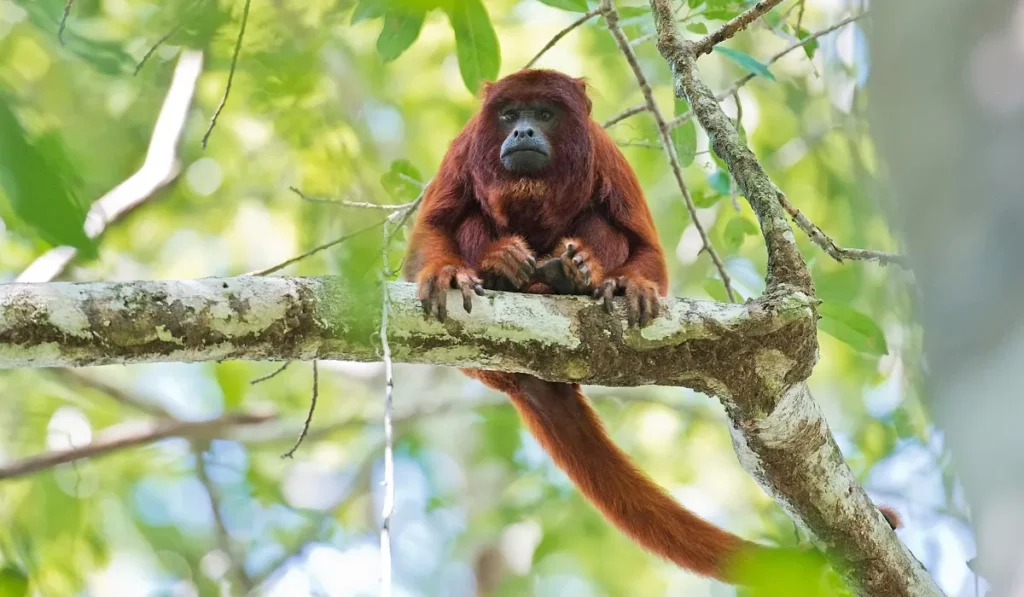
1. Red Howler Monkey – Alouatta sara (Atelidae)
It is a large, arboreal, and diurnal primate. It lives in gregarious groups led by a dominant male. Its most famous characteristic is its powerful roar, made possible by a well-developed hyoid bone. It inhabits the middle and upper forest strata, feeding mainly on leaves.
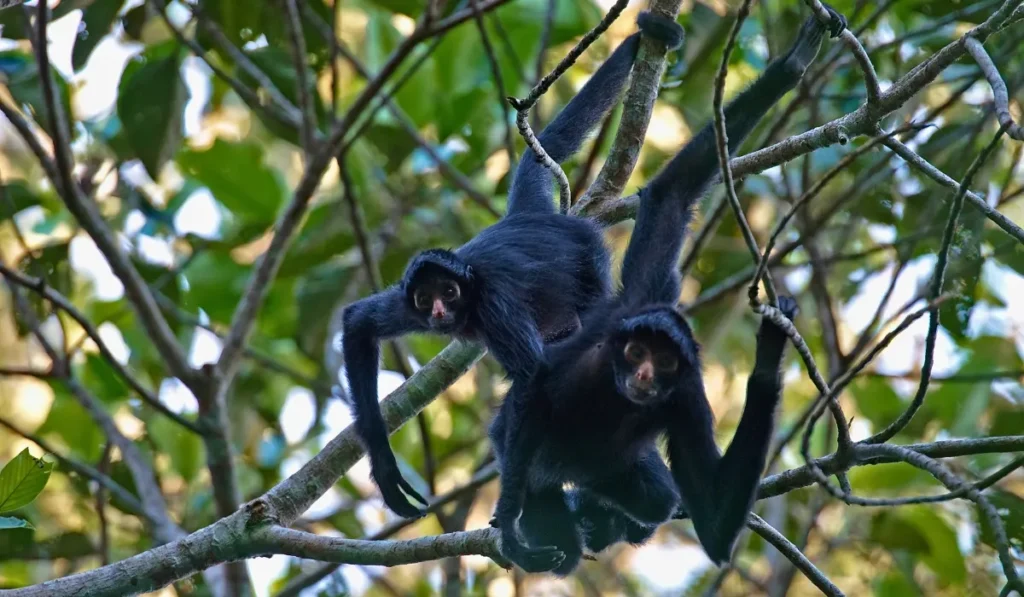
2. Black Spider Monkey – Ateles chamek (Atelidae)
It stands out for its agility and its prehensile tail, which functions as a fifth limb. It lives in mixed groups and prefers the highest levels of the canopy. Its diet is varied, including fruits, flowers, and insects. Watching them leap between treetops is a common spectacle on our Reserved Zone Tours.
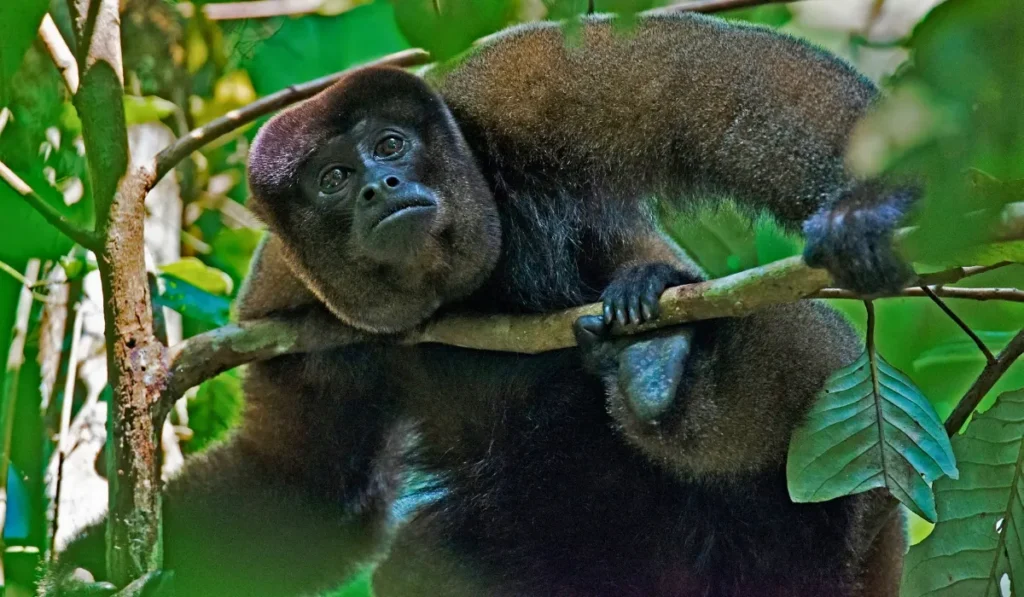
3. Tschudi´s Woolly Monkey – Lagothrix lagotricha tschudii (Atelidae)
It has very dense, woolly gray fur. As a gregarious animal, it plays a vital role as a seed disperser in the ecosystem. It moves slowly through the trees, and its diet is mostly frugivorous.
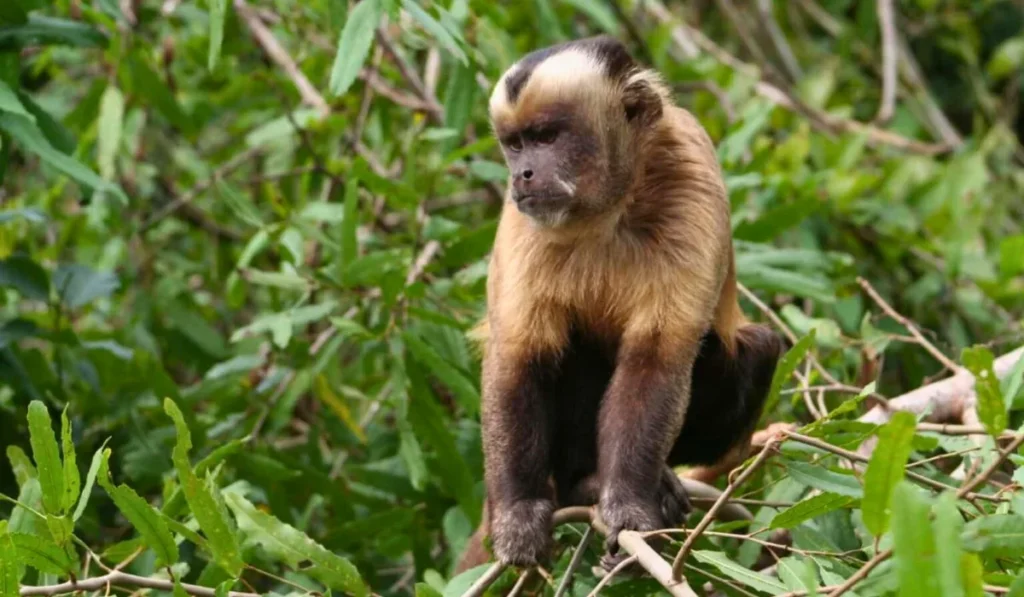
4. Shock-headed Capuchin – Cebus cuscinus (Cebidae)
A medium-sized monkey known for its intelligence. It is diurnal but may show nocturnal activity. It adapts to various forest types and strata. Its omnivorous diet allows it to be one of the most versatile species in the rainforest.
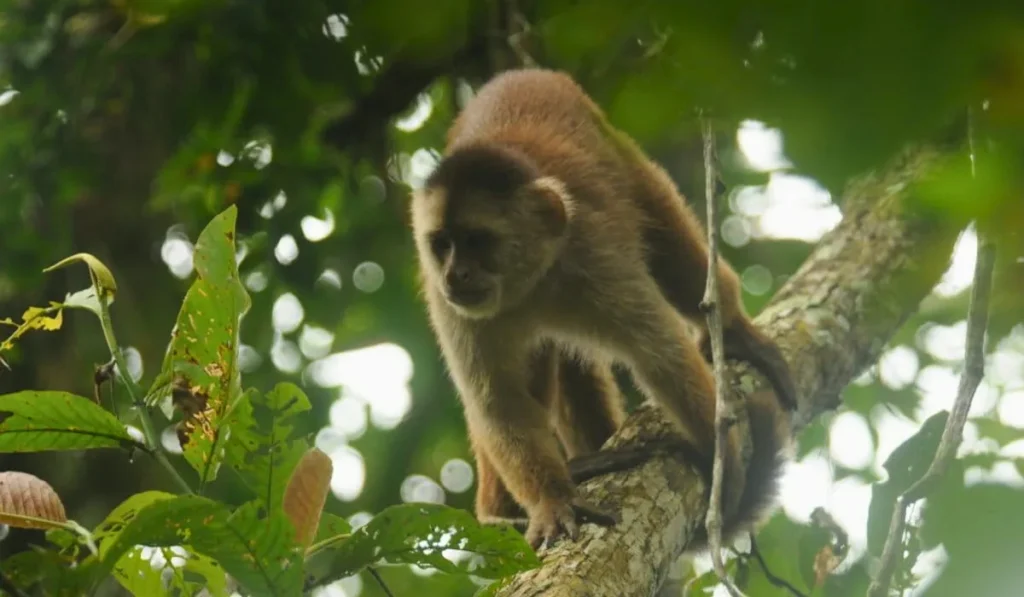
5. Large-headed Capuchin – Sapajus macrocephalus (Cebidae)
It prefers the lower and middle forest strata. Living in mixed-sex groups, it has well-defined hierarchies. It is a very active omnivore, constantly searching for fruits or small invertebrates.
Felines and Terrestrial Carnivores of Manu National Park
Sighting wild cats is the highlight of any photographic expedition to Manu. Increase your chances with a Tour to the Manu Reserved Zone, the best area for sightings along the riverbanks.
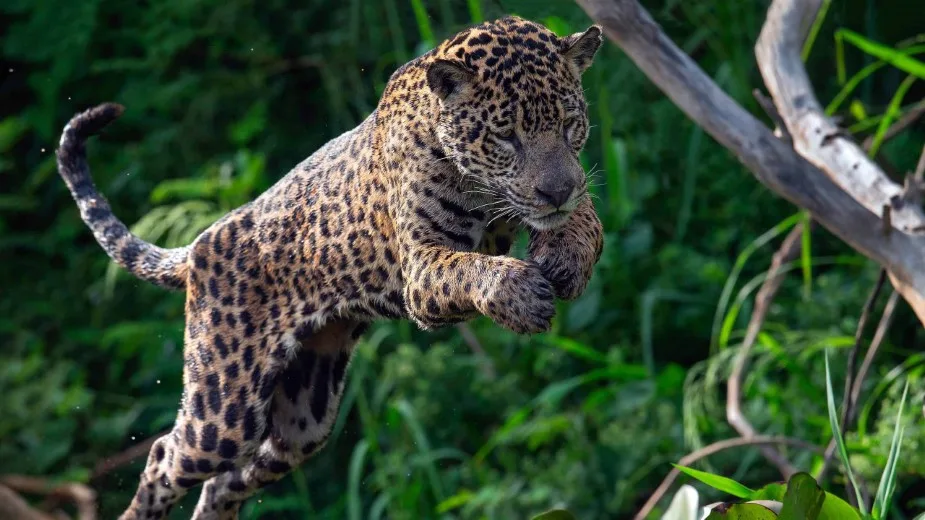
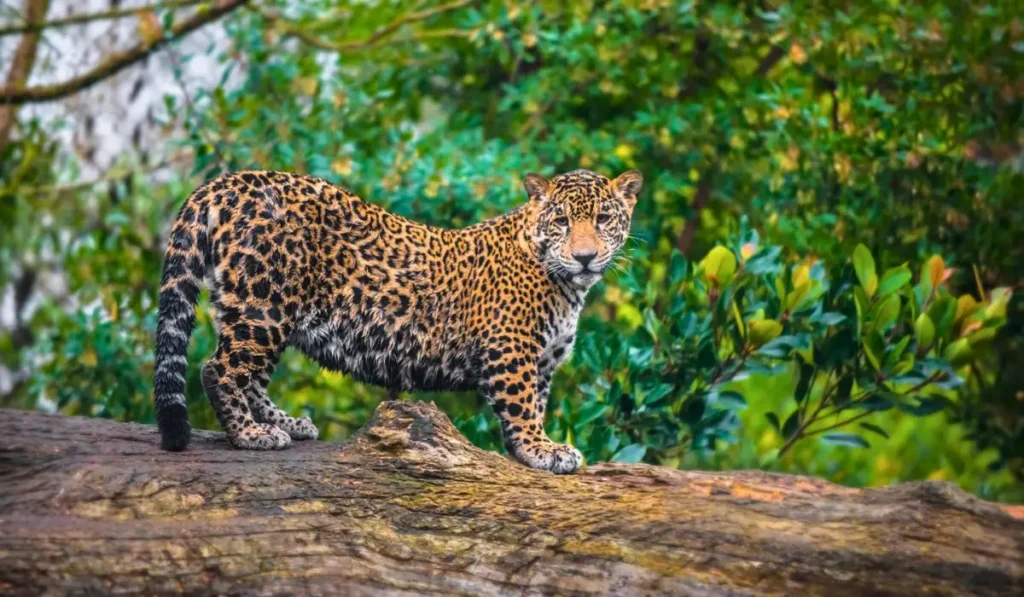
6. Otorongo or Jaguar – Panthera onca (Felidae)
It is the largest feline in the Americas and the top predator. Although solitary, it is often seen along riverbanks during the dry season. It uses sandy beaches to hunt capybaras or caimans, marking its territory on riverside trees.
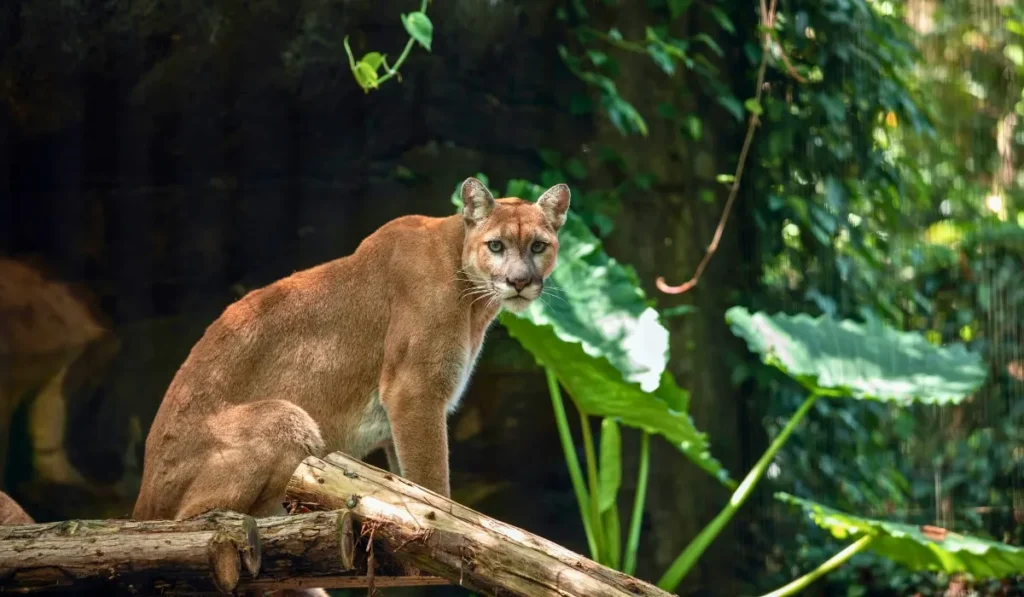
7. Mountain Lion – Puma concolor (Felidae)
A powerful and versatile feline that inhabits both the lowland rainforest and mountainous areas. It is an excellent swimmer and climber, capable of incredible leaps. It is solitary and can be active both day and night.
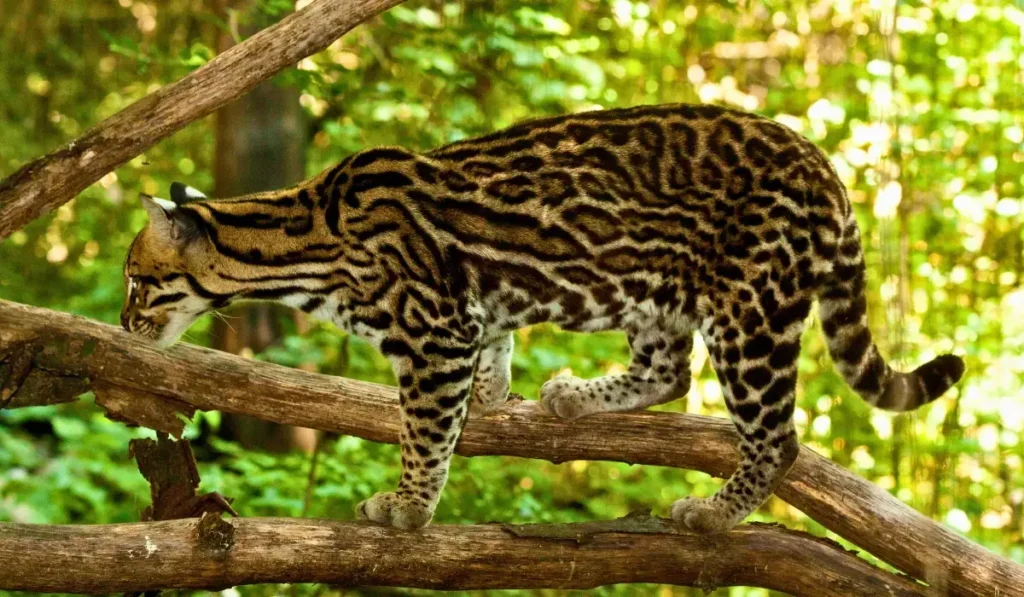
8. Ocelot – Leopardus pardalis (Felidae)
Medium-sized with a spotted coat, this feline prefers areas with dense vegetation and proximity to water. It is an expert nocturnal hunter, although daytime sightings have been recorded in Manu along little-used trails.
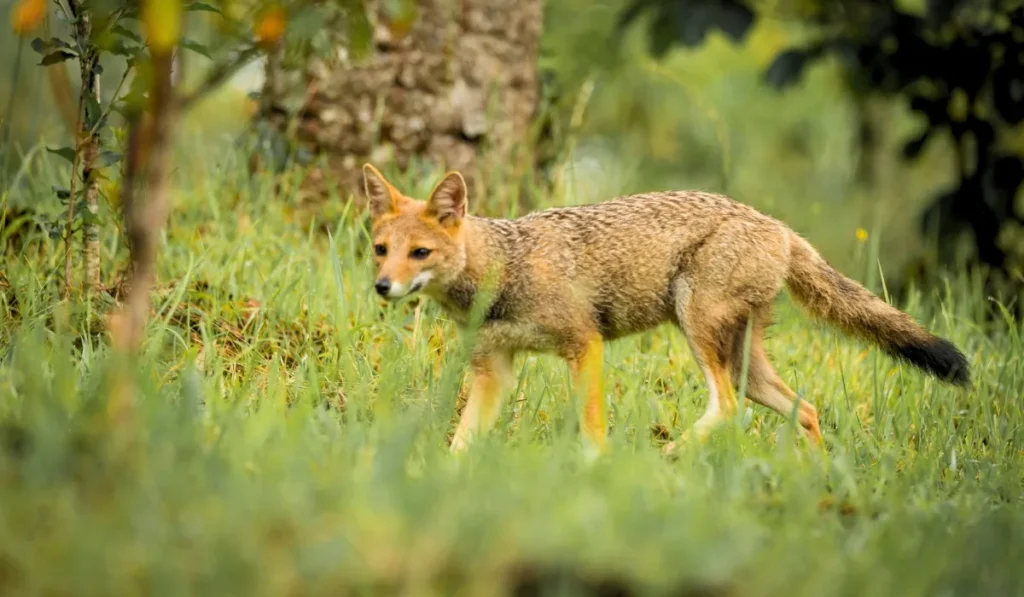
9. Andean Fox – Lycalopex culpaeus (Canidae)
It inhabits the highest and most open areas of the park. As an opportunistic carnivore, it feeds on small mammals, birds, and even fruits. It shelters in rock crevices or burrows beneath vegetation.
River and Lagoon Animals of Manu National Park
The “cochas” (oxbow lakes) of Manu are the best places to observe mammals that depend directly on water.
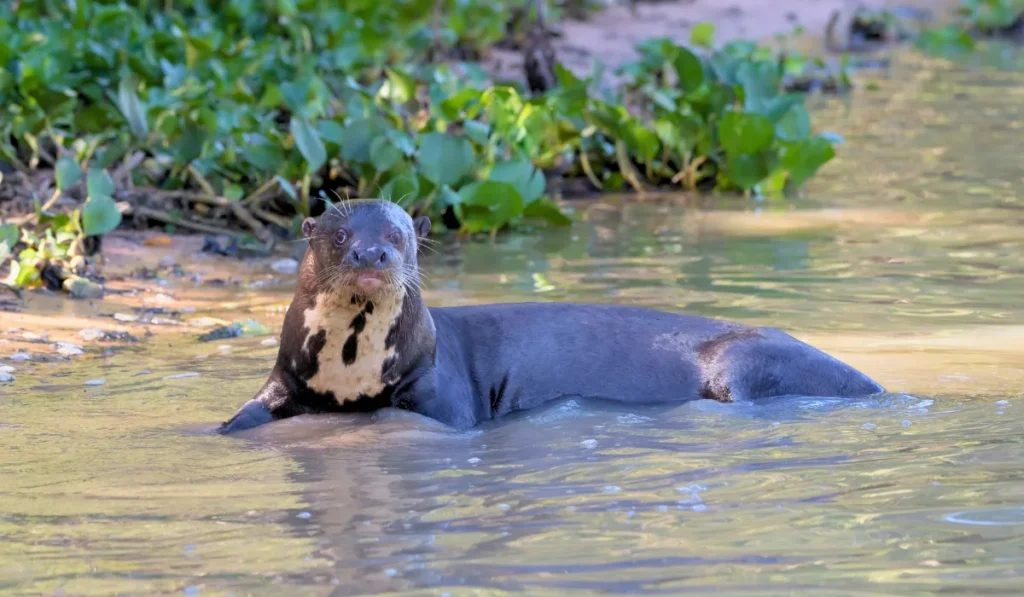
10. Giant Otter or River Wolf – Pteronura brasiliensis (Mustelidae)
The largest and most charismatic mustelid in the world. They live in very close-knit and noisy family groups. They are diurnal fish hunters and inhabit calm-water oxbow lakes.
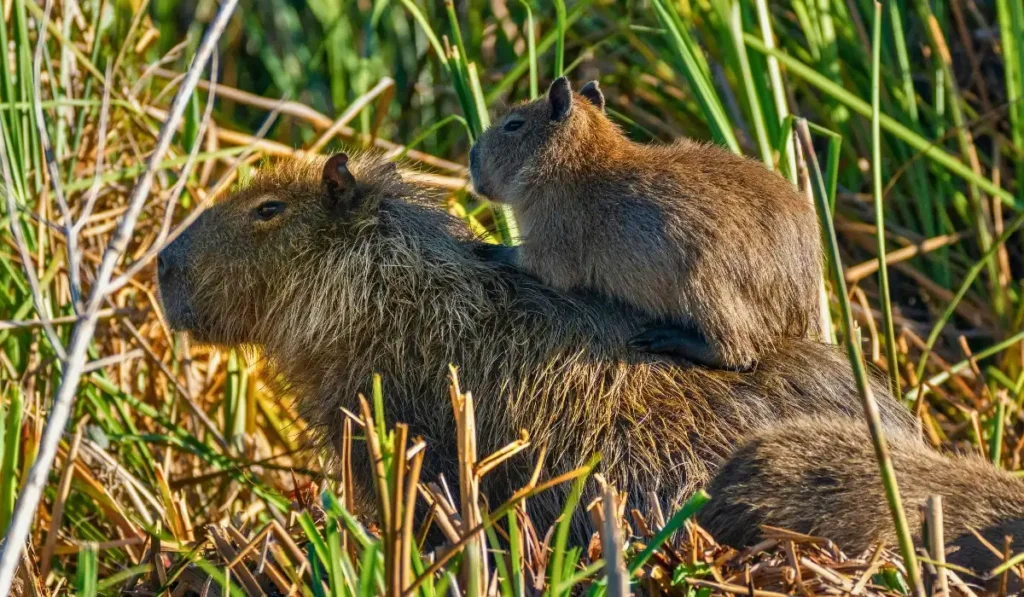
11. Capybara or Ronsoco – Hydrochoerus hydrochaeris (Caviidae)
It holds the title of the largest rodent in the world. As a social animal, it lives in groups near rivers. It is an excellent swimmer and the jaguar’s favorite prey, so it is always alert.
Large Terrestrial Mammals of Manu National Park
These animals are the “engineers” of the Amazon forest floor, moving large amounts of nutrients and seeds.
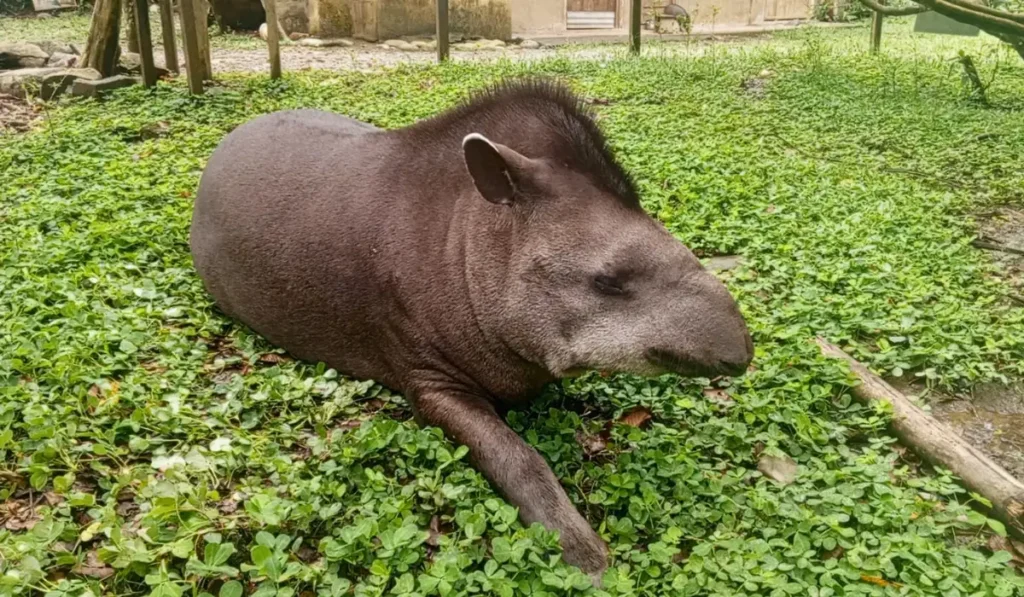
12. South American Tapir – Tapirus terrestris (Tapiridae)
The largest terrestrial mammal in the rainforest. It is solitary, nocturnal, and an excellent swimmer. It frequently visits salt licks (collpas) to supplement its herbivorous diet.
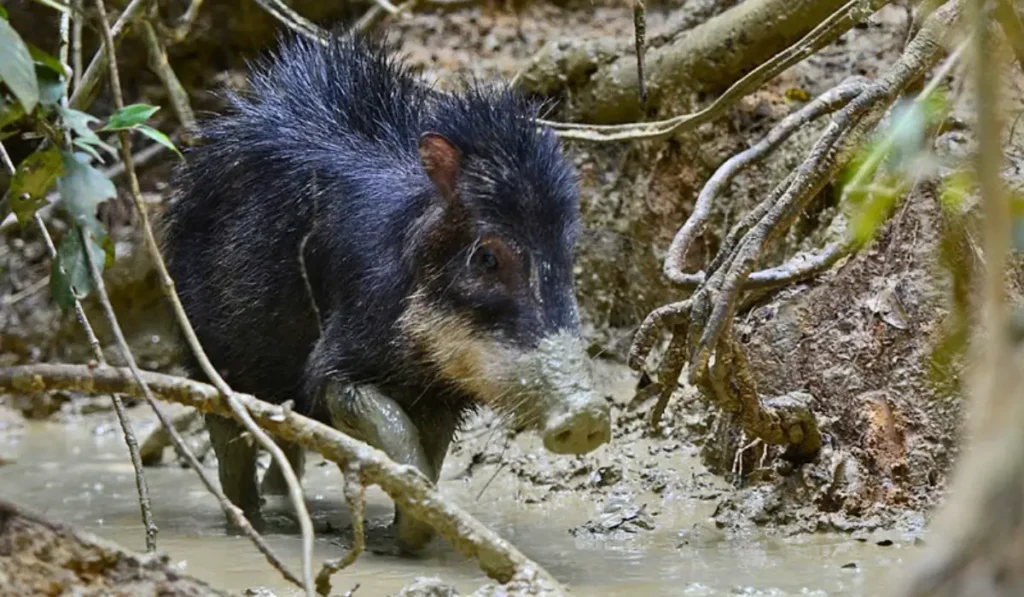
13. White-lipped Peccary – Tayassu pecari (Tayassuidae)
Wild pigs that travel in herds of up to 100 individuals. They are nomadic, and their presence is noticeable due to the strong odor they emit and the sound of their jaws cracking hard seeds.
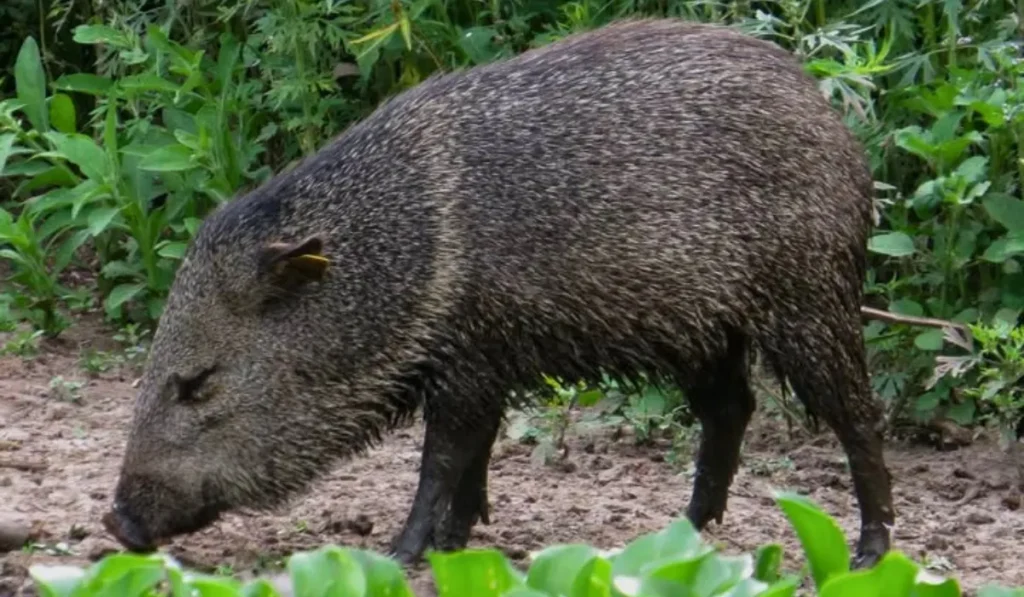
14. Collared Peccary – Pecari tajacu (Tayassuidae)
Smaller and less aggressive than white-lipped peccaries. They move in orderly lines and are common in forests near lodges. They feed on roots, fruits, and insects.
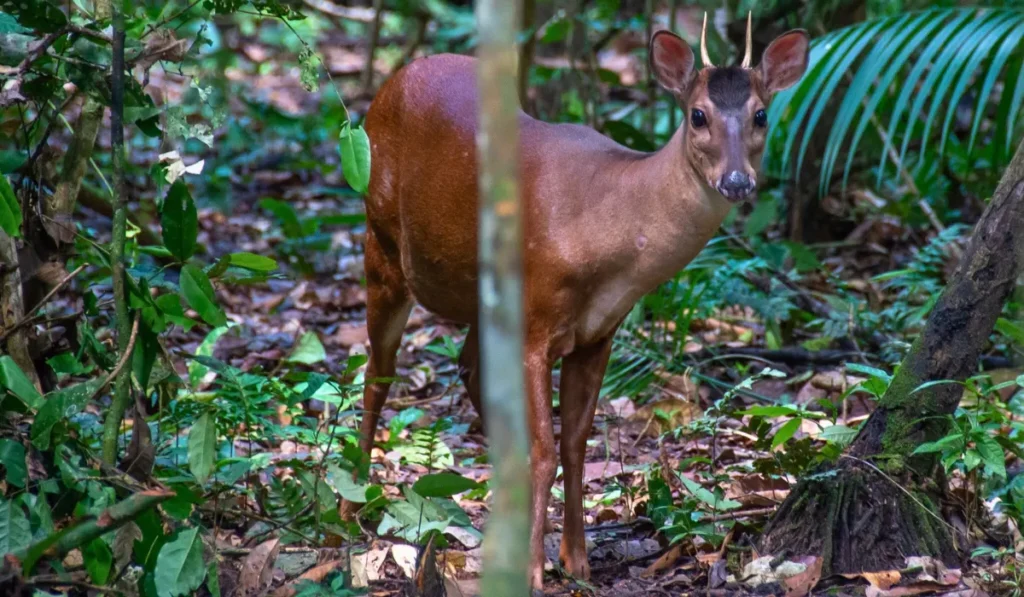
15. Red Brocket Deer – Mazama americana (Cervidae)
A medium-sized deer with a characteristic reddish coat. It is a shy animal that prefers the safety of dense vegetation, where it moves with ease.
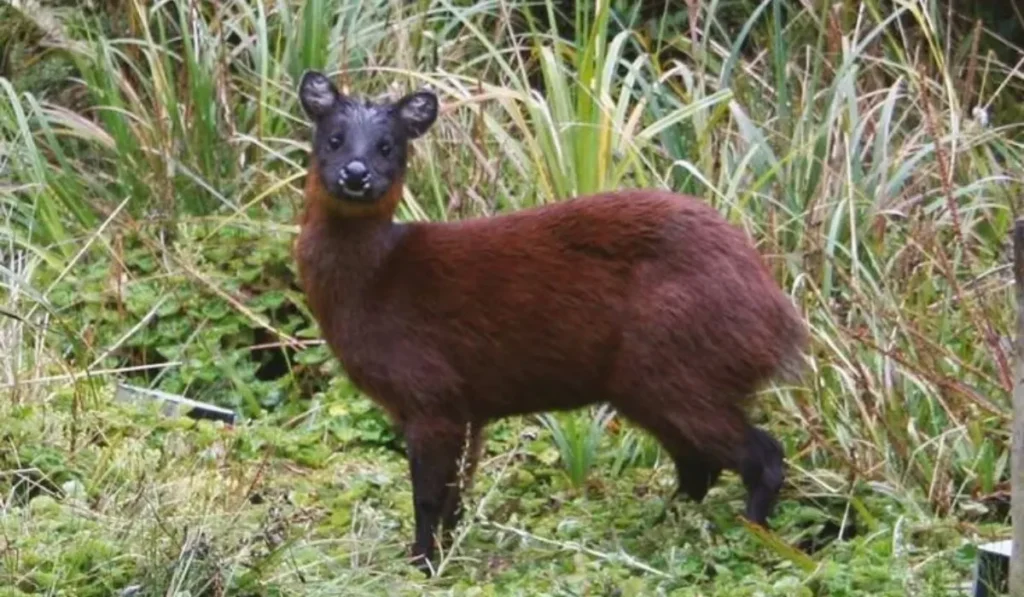
16. Peruvian Dwarf Brocket Deer – Mazama chunyi (Cervidae)
One of the rarest deer species. It lives in cloud forests (montane rainforest). It is small, and spotting it is a true privilege for scientists and travelers.
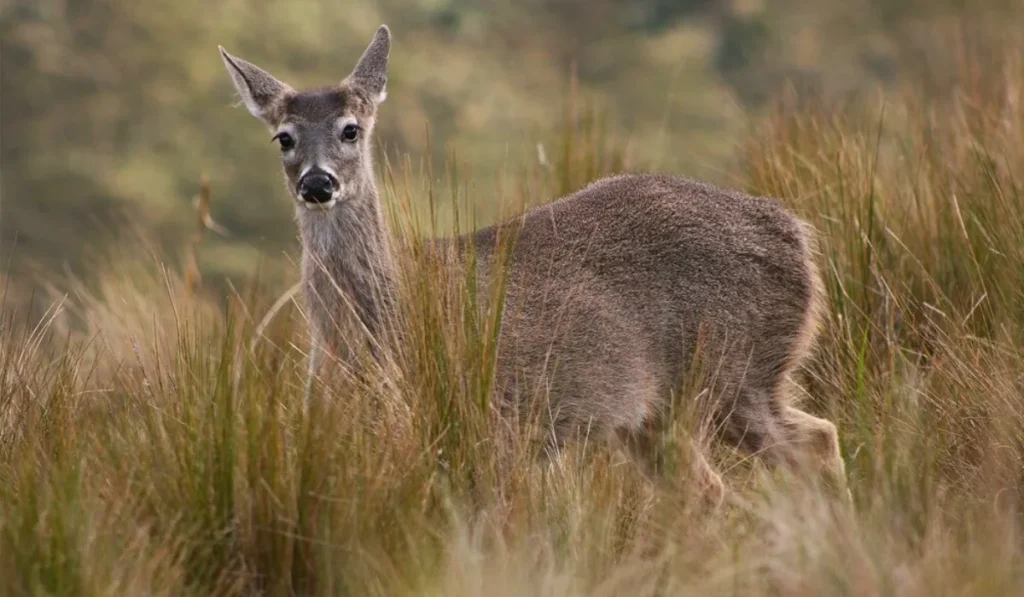
17. White-tailed Deer – Odocoileus peruvianus (Cervidae)
It is found in the highest and most open areas of the park. Adult males have branched antlers, while younger individuals have simple antlers.
Spectacled Bear, Sloths, and Anteaters of Manu National Park
This section includes some of the most unique species in Manu, many of them with astonishing evolutionary adaptations.
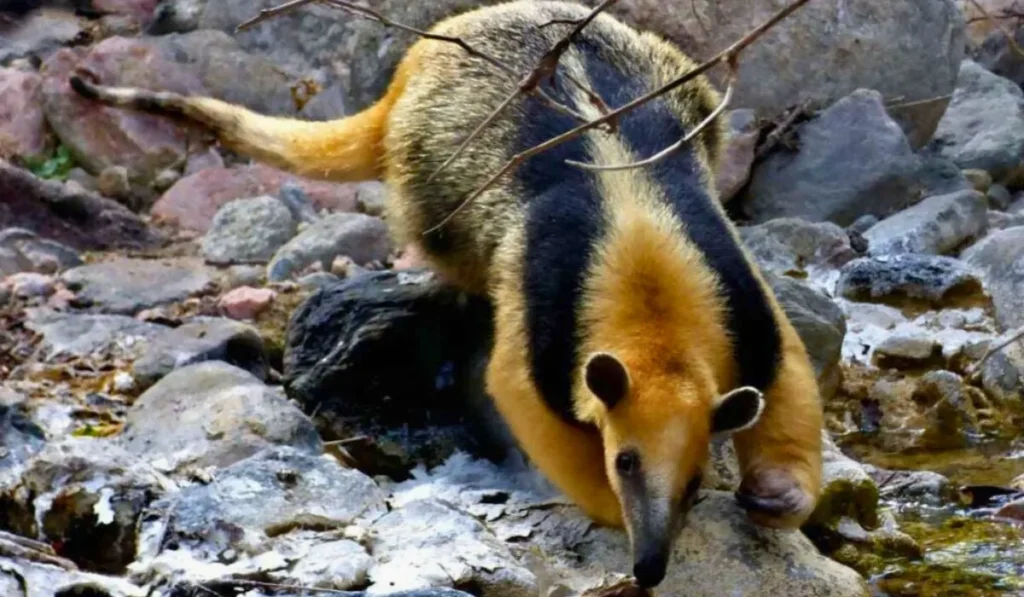
18. Southern Tamandua – Tamandua tetradactyla (Myrmecophagidae)
A specialist in eating ants and termites. It has a long, sticky tongue and powerful claws to break open nests. It is both arboreal and terrestrial and can be active during the day.
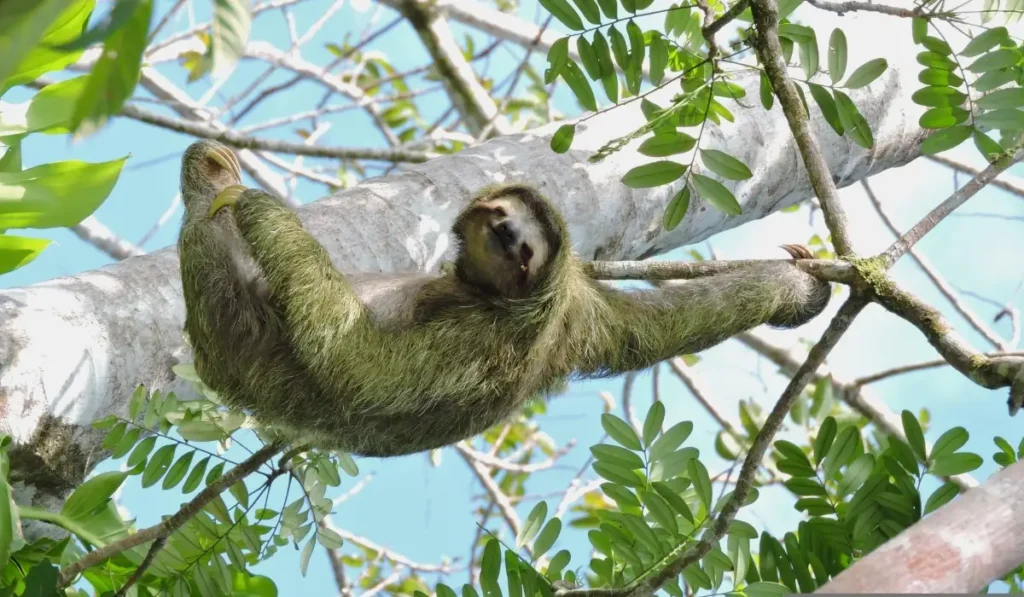
19. Three-toed Sloth – Bradypus variegatus (Bradypodidae)
The slowest mammal in the world. It lives in the forest canopy, descending to the ground only once a week. Its fur often has a greenish tone due to algae living on it, helping it camouflage.
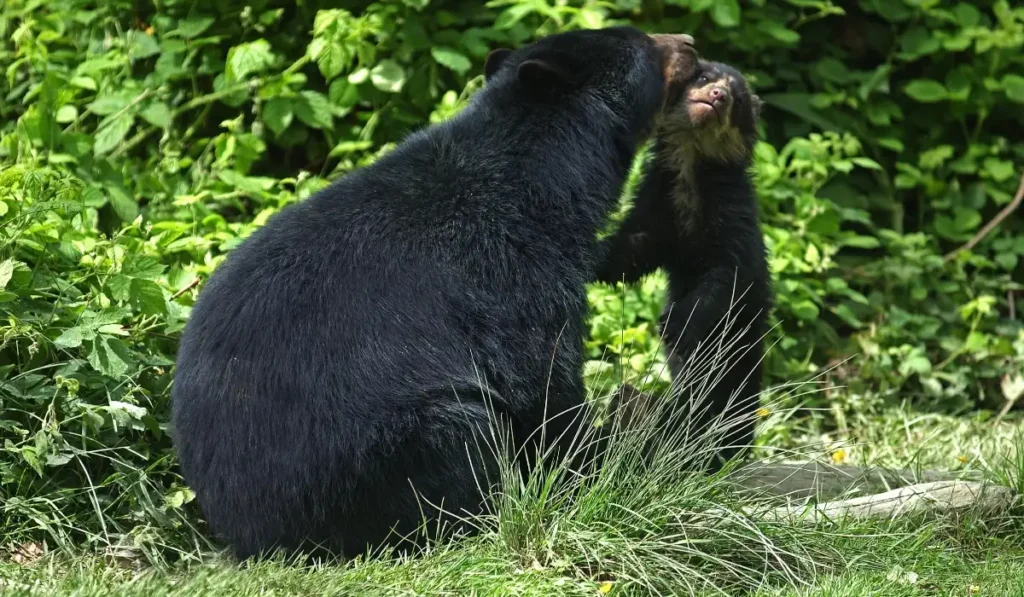
20. Spectacled Bear – Tremarctos ornatus (Ursidae)
The only bear native to South America. It inhabits the cloud forests of the upper Manu region. It is an excellent climber and builds branch platforms to feed on bromeliads and fruits.
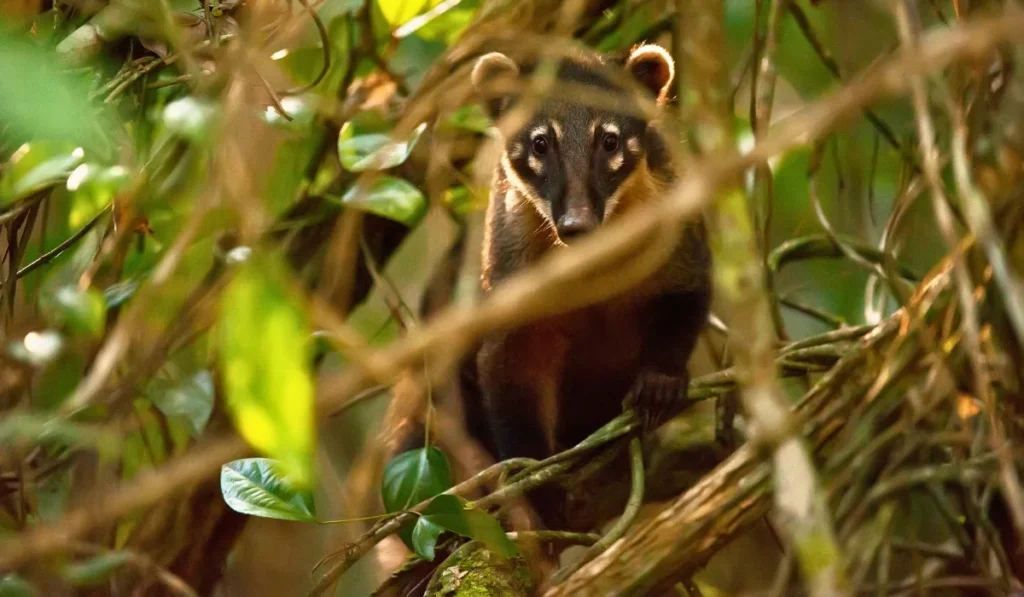
21. South American Coati – Nasua nasua (Procyonidae)
Relatives of raccoons, these animals are extremely active. Females and juveniles form very noisy social groups while foraging on the ground and in trees.
Small Mammals, Marsupials, and Rodents of Manu National Park
Although small, these animals are the foundation of the food chain and are essential for forest regeneration.
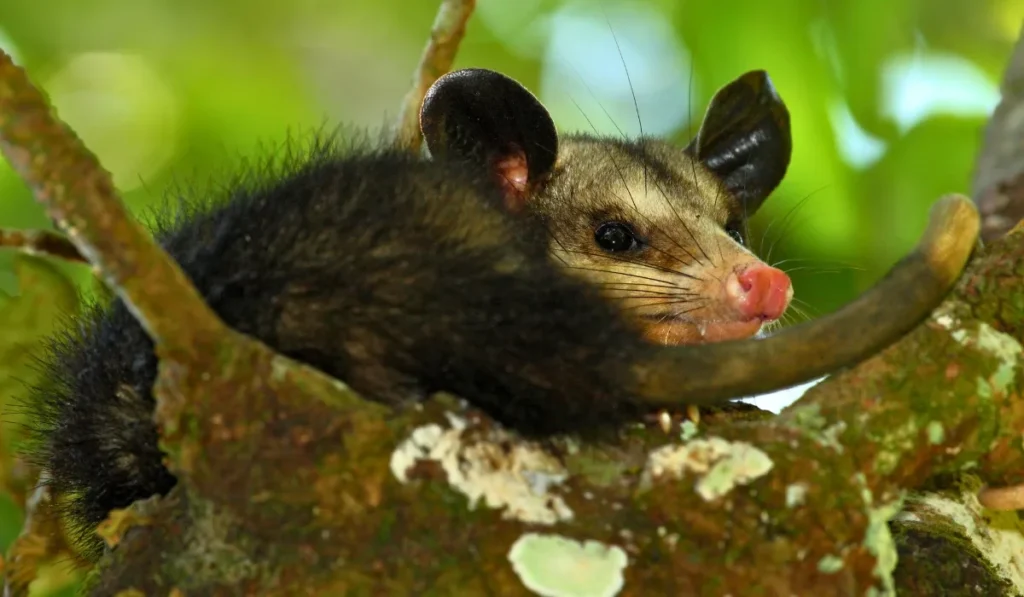
22. Black-eared Opossum – Didelphis marsupialis (Didelphidae)
A large nocturnal marsupial. It is omnivorous and plays an important role in controlling insect and small vertebrate populations. It nests in tree hollows.
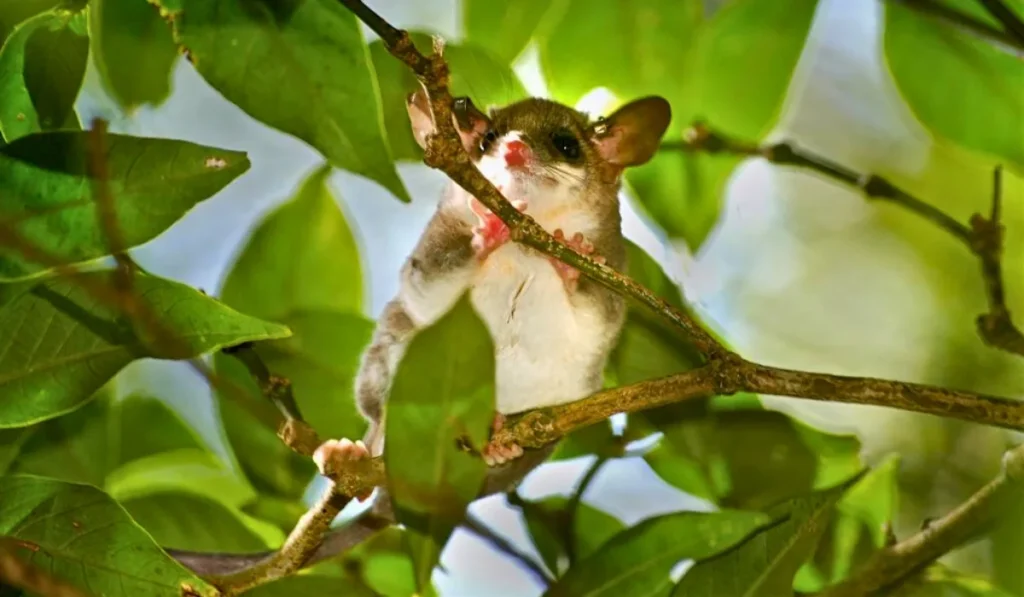
23. White-bellied Slender Mouse Opossum – Marmosops noctivagus (Didelphidae)
A small arboreal marsupial that prefers primary forests. It is solitary and builds complex nests using leaves and small branches.

24. Tschudi’s Slender Opossum – Marmosops impavidus (Didelphidae)
It feeds on insects and fruits at night. It is a solitary animal that prefers the lower vegetation layers to build its nests.
25. Forest Rabbit – Sylvilagus brasiliensis (Leporidae)
A wild rabbit with nocturnal and crepuscular habits. It feeds on stems and roots and is a common prey for medium-sized felines and birds of prey.

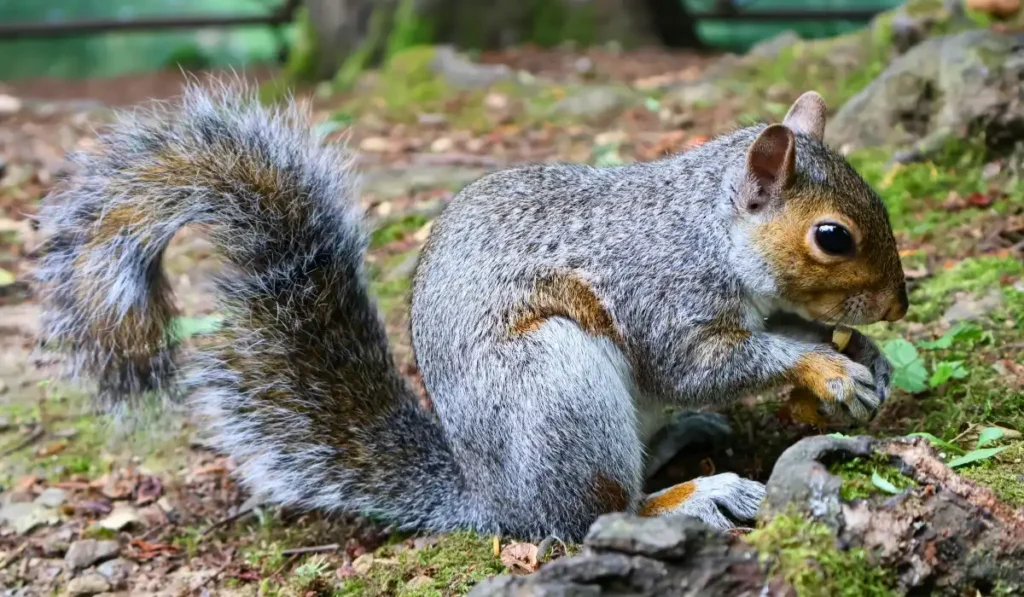
26. Pucheran’s Squirrel – Notosciurus pucheranii (Sciuridae)
Small, fast, and very active during the day. It is commonly seen in the mid-level forest strata, leaping from branch to branch in search of seeds and nuts.
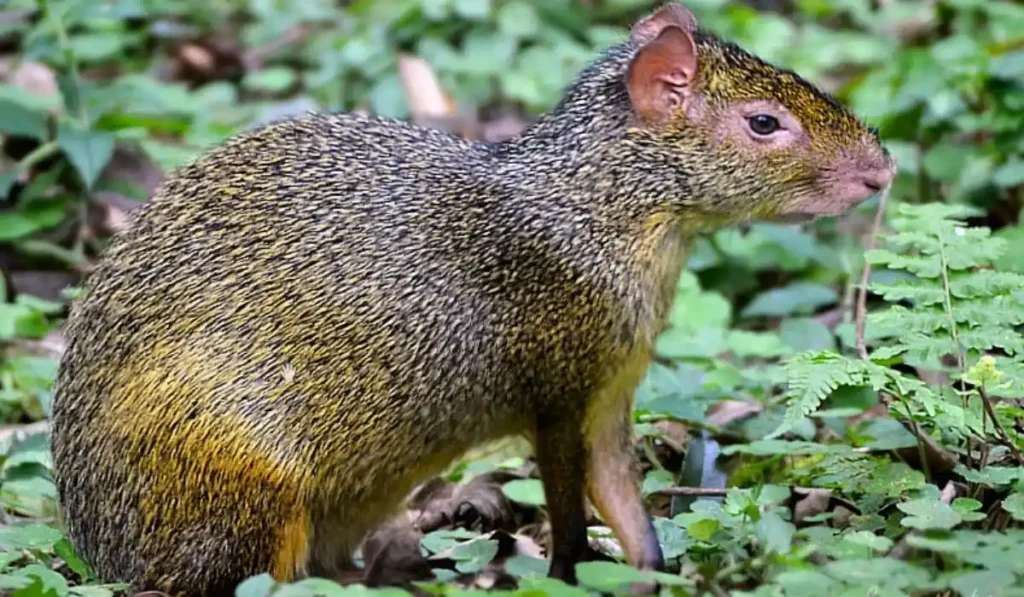
27. Brown Agouti – Dasyprocta variegata (Dasyproctidae)
This rodent is the “gardener of the rainforest.” It buries seeds to consume later, but by forgetting many of them, it allows new trees to grow. It is diurnal and very cautious.
Bats of Manu National Park
Manu is home to a diverse array of bats that ensure pollination and pest control throughout the Amazon.
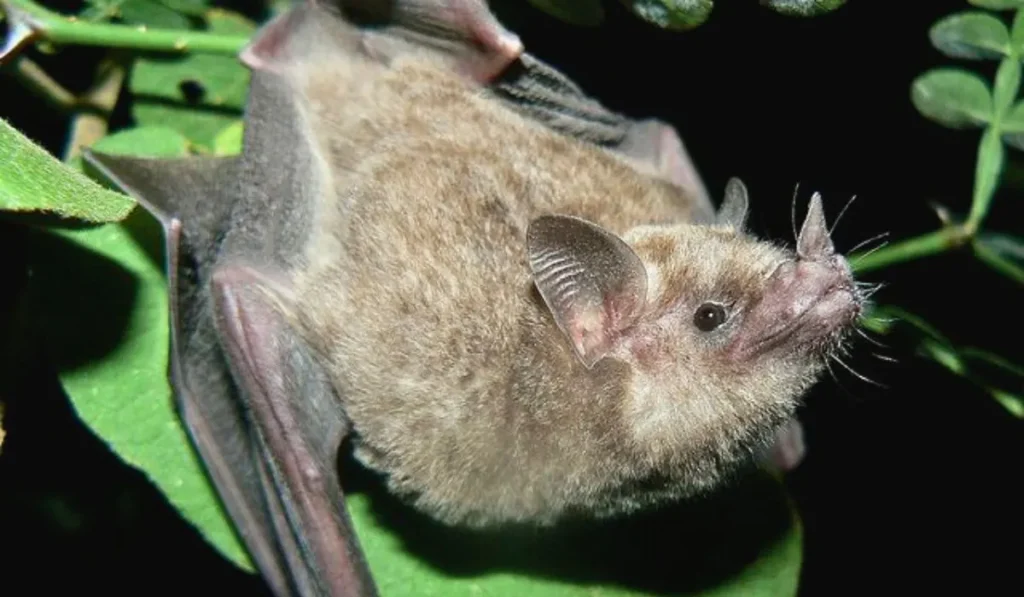
28. Geoffroy’s Tailless Bat – Anoura geoffroyi
It has an extremely long snout and tongue, adapted for feeding on nectar. It is a key pollinator for many Amazonian flower species.
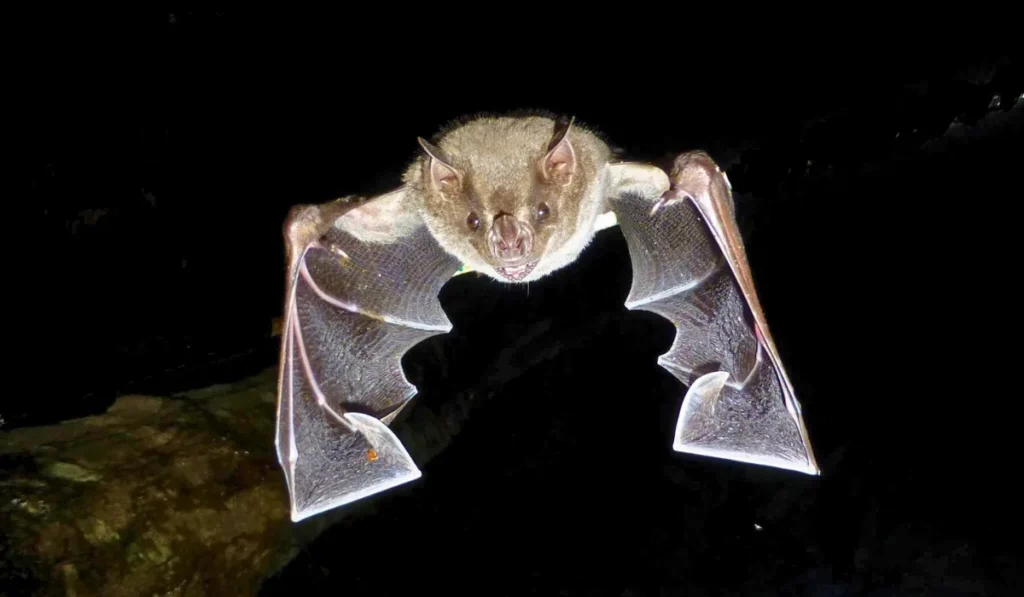
29. Flat-faced Fruit-eating Bat – Artibeus planirostris
It feeds on fruits in the forest canopy. While flying, it disperses seeds through its droppings, naturally reforesting the jungle.
30. Black Myotis Bat – Myotis nigricans
A small insectivorous bat that hunts throughout the night. It helps maintain ecosystem balance by controlling populations of mosquitoes and other flying insects.

How to Enjoy the Best Wildlife Spotting Experience in Manu
To observe the greatest number of these species, we recommend visiting the Manu Reserved Zone during the dry season (May to October). Having a certified guide is key to detecting tracks, footprints, and sounds that an untrained eye would easily miss.