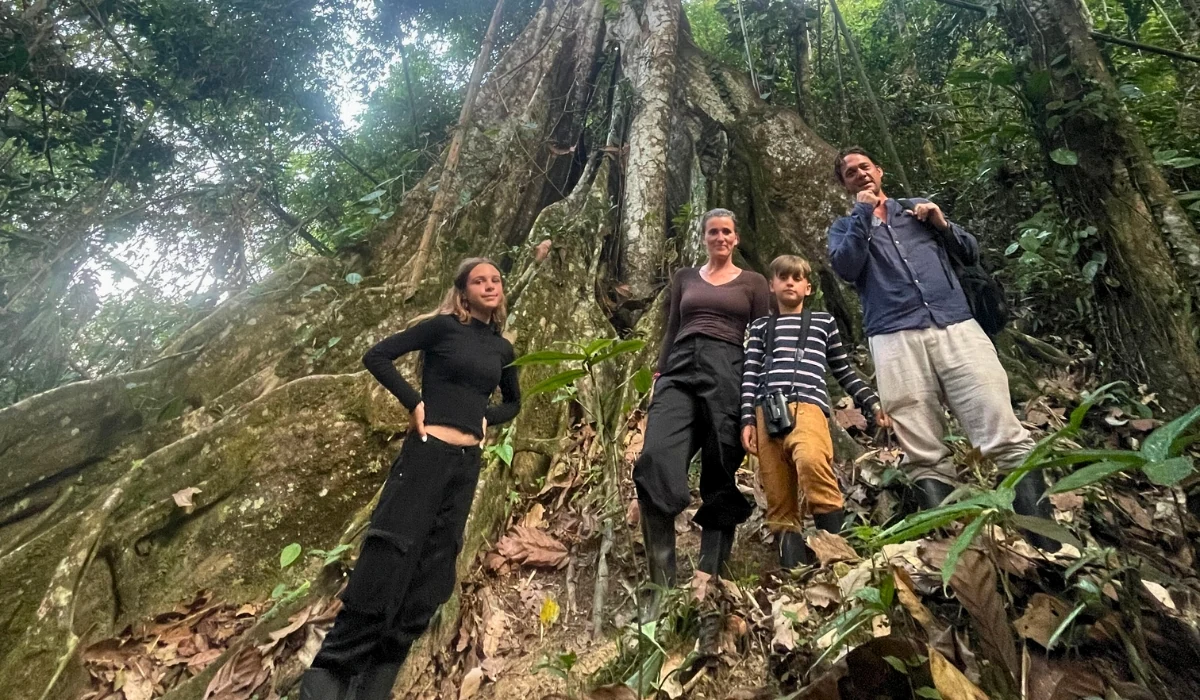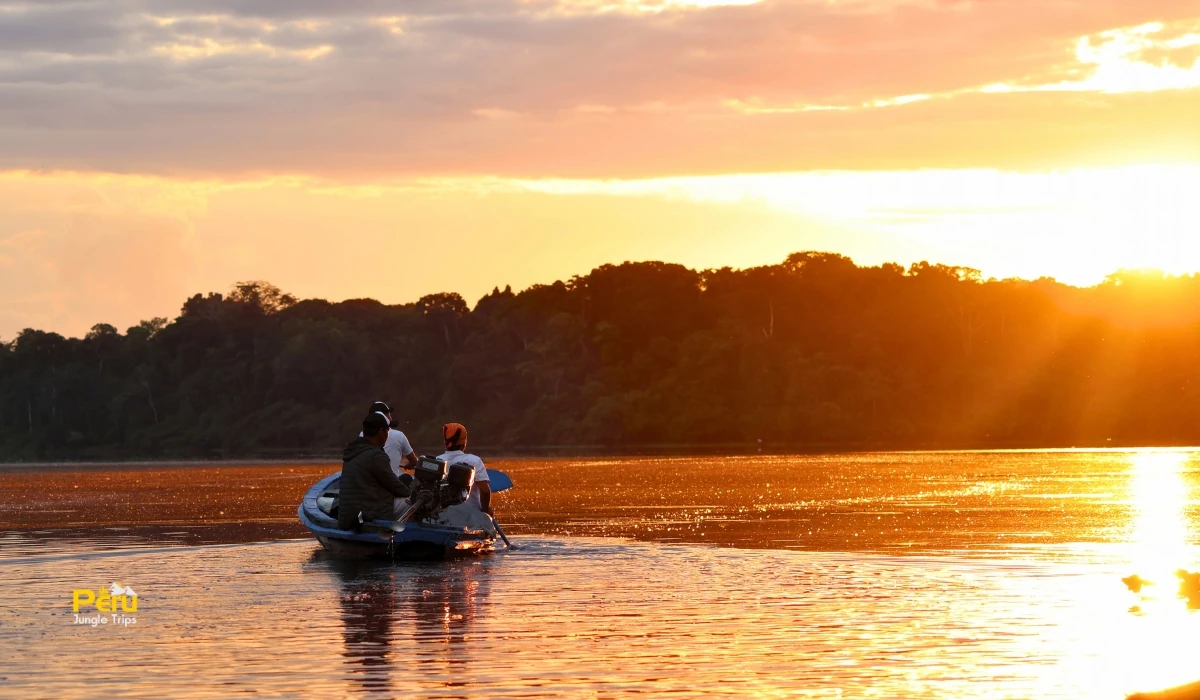
The Amazon stretches across nine countries, including Peru, which is home to some of the most biodiverse places in the world. If you are planning your next trip to the Peruvian Amazon, you are probably wondering, what is the best part of the Amazon to visit? Below, we tell you which places you should not miss on your next adventure.
The Ideal Place According to Your Travel Style
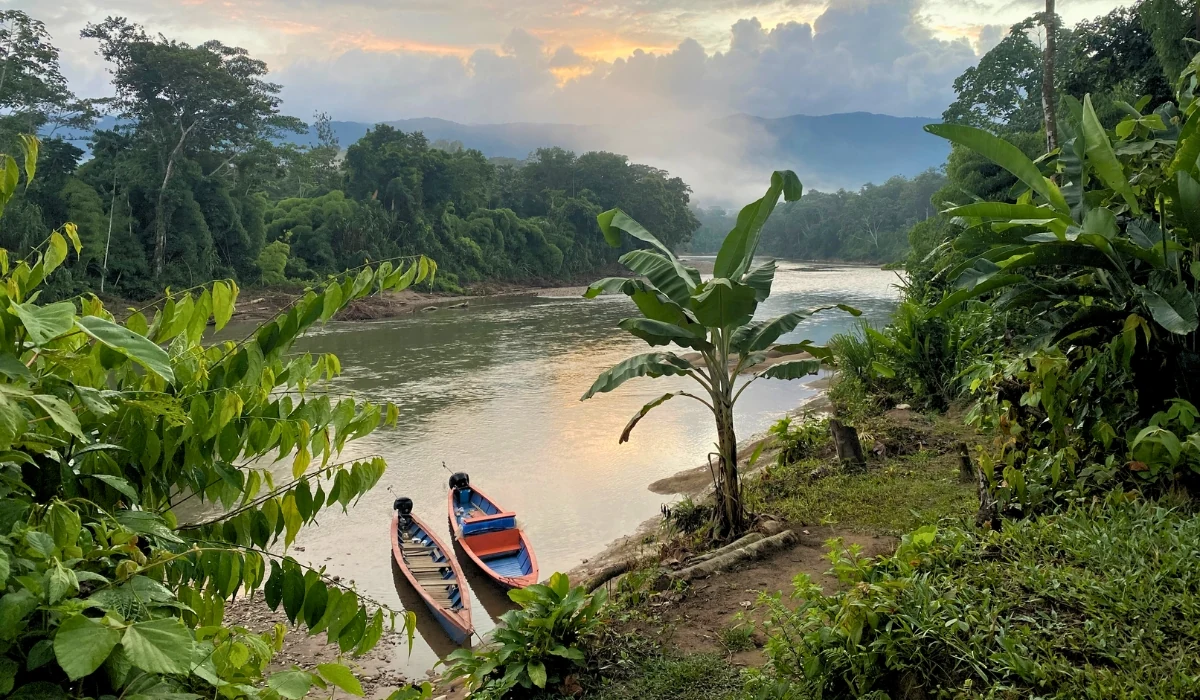
Option 1: Manu National Park
Manu National Park holds numerous national and international titles and recognitions. UNESCO has recognized it as one of the most biodiverse places on the planet, and it covers 1,716,295.22 hectares. Therefore, accessing Manu is more difficult compared to destinations such as Tambopata and Pacaya Samiria.
However, it is the perfect destination for lovers of flora and fauna, culture, and hot springs! Manu is characterized by:
- Having far fewer visitors than destinations such as Tambopata.
- In the Reserved Zone, allowing you to spot elusive and uncommon species such as antpittas, harpy eagles, and small birds such as the royal flycatcher.
- Having volcanic hot springs in the town of Shintuya, where you can relax surrounded by impressive nature after a busy day of hiking.
- Holding world records, as it is home to more than 3,000 animal species, including butterflies, amphibians, mammals, fish, reptiles, and birds.
- Being home to 750 orchid species and approximately 1,650 tree species.
Without a doubt, due to its extensive biodiversity, we recommend at least 4 days to experience the highlights of Manu National Park. Therefore, this destination is ideal for travelers who have more time and want to immerse themselves in an authentic exploration of the Peruvian Amazon rainforest.
Option 2: Tambopata National Reserve
Tambopata National Reserve is undoubtedly the most visited destination by thousands of tourists from around the world. This is because the natural reserve allows you to see flora and fauna from the very beginning of your journey. For example, as soon as you start navigating in small boats, you will see large golden eyes watching you as you travel. Don’t be scared! They are the famous caimans. Meanwhile, as you explore the trails, you will hear the sounds of macaws, small capuchin monkeys, and more, resting in the tree canopies. Without a doubt, these are experiences you should not miss.
Consequently, this is the perfect destination for tourists looking to combine accessibility and biodiversity.
- In Tambopata, you will see the famous macaw and parrot clay lick, an impressive spectacle of colors that is a favorite among birdwatching enthusiasts. In addition, Tambopata is home to more than 600 bird species.
- If you are interested in mammals, the reserve is home to 169 unique mammal species, including tapirs or sachavacas, giant anteaters, and kings of the jungle such as jaguars.
- You can relax in comfortable eco-lodges built with local materials. These accommodations ensure that you enjoy a comfortable stay while protecting the environment.
That is why Tambopata has become one of the most popular natural reserves for tourists traveling independently or with their families. At Peru Jungle Trips, we know that every tourist looks for unique experiences, which is why we have created customized, all-inclusive packages to Tambopata. Get a quote for your ideal package with us.
Option 3: Pacaya Samiria
Pacaya Samiria National Reserve is located near Iquitos. The city of Iquitos is known as the “Beautiful Island” because of its warm climate and because you can only access it by air or river. Filled with buildings dating back to the rubber boom era, the city stands out for:
- Having iconic buildings such as the Casa de Fierro, Casa Velsa, Iglesia Matriz, and Casa Morey.
- Having the Belén Market, one of the largest open-air markets in Peru and, without a doubt, a market that you should not explore on your own, even if you are a local!
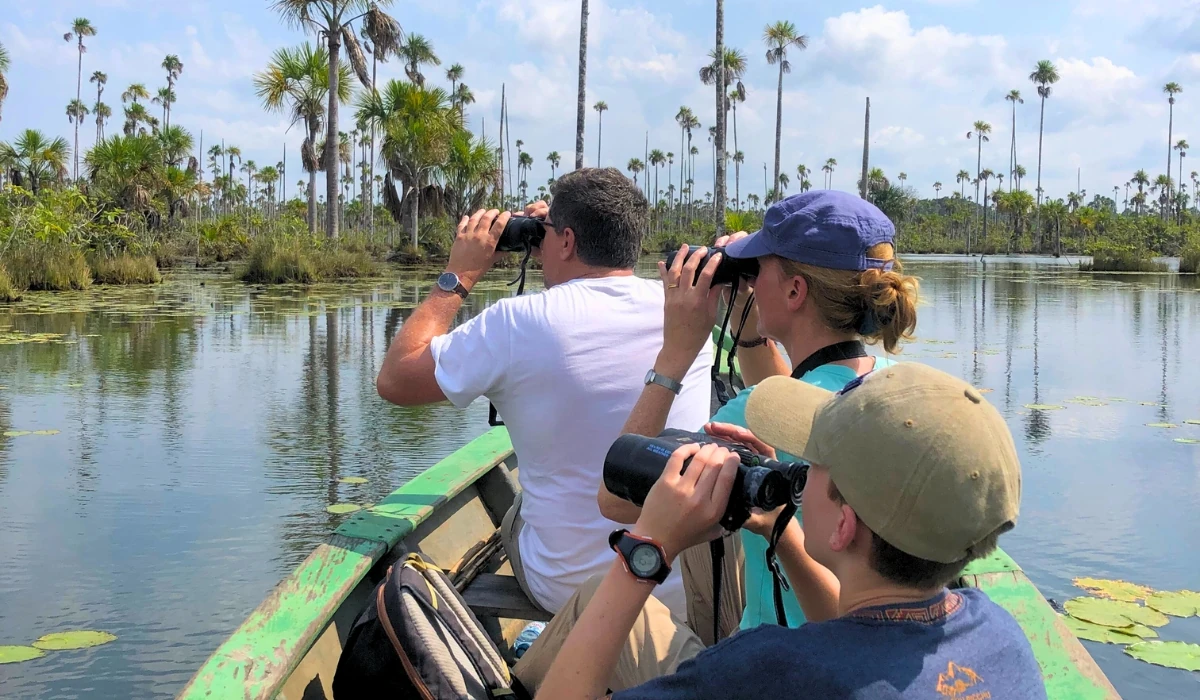
In contrast to the city of Iquitos, Pacaya Samiria National Reserve stands out for its flooded forests and extensive aquatic ecosystem. In Pacaya Samiria, you can find:
- Approximately 2,050 animal species, including vertebrates, mammals, reptiles, fish, amphibians, and birds. It is also home to 965 wild plant species and 59 cultivated plant species.
- Its amazing wildlife includes paiche, manatees, and the famous taricaya turtles, which are considered vulnerable.
- The reserve covers 2,080,000 hectares, extending across the provinces of Alto Amazonas, Ucayali, Loreto, and Requena.
Thanks to its extensive area and rich flora, fauna, and aquatic ecosystem, this destination is ideal for tourists who enjoy navigating rivers and observing aquatic wildlife.
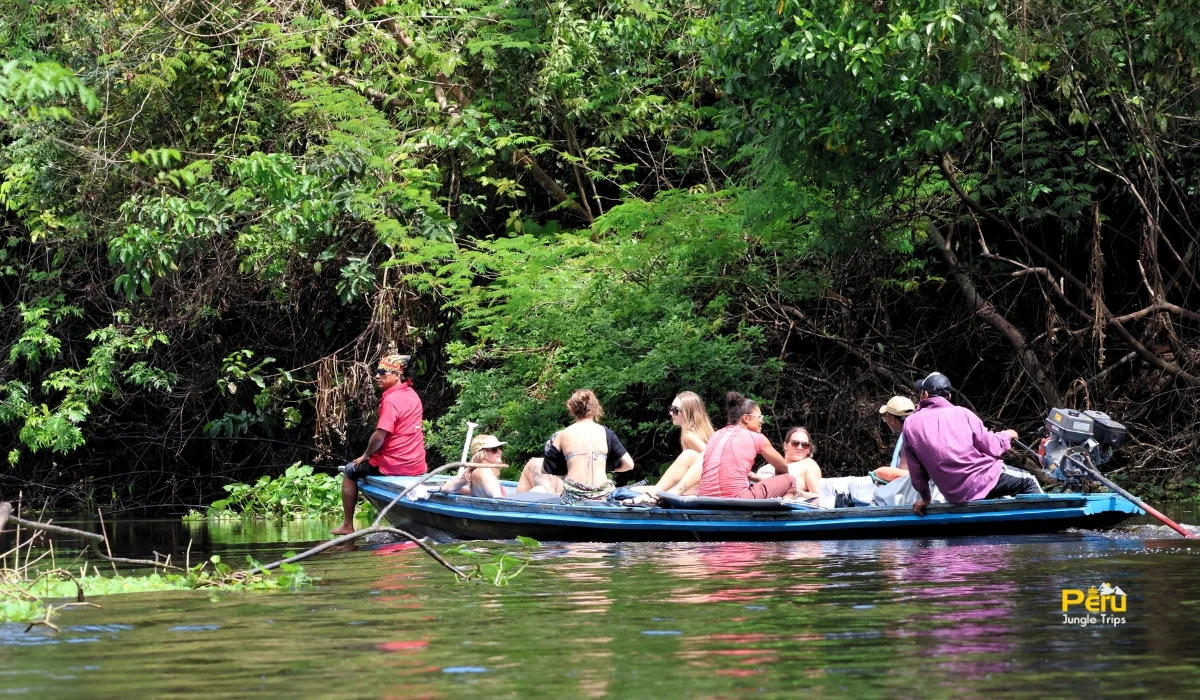
The best natural area based on your travel style
| Place | Ideal for | Access from |
| Manu National Park | Travelers who enjoy immersing themselves in flora and fauna, as well as exploring trails with untouched biodiversity. | Cusco. |
| Tambopata National Reserve | Travelers who enjoy breathtaking scenery without doing strenuous physical activities. They also value the balance between quality and price. | Puerto Maldonado. |
| Pacaya Samiria Reserve | Adventure and exploration lovers, especially those who enjoy camping. | Access from Iquitos by river. |
So, which part of the Peruvian Amazon should I choose?
The answer depends on how much time you have available to visit the wonders of the Peruvian Amazon.
- If you have 2 to 4 days, your best option is Tambopata.
- If you have 3 to 4 days and want to explore the streets like a local, combining Iquitos and Pacaya Samiria is a must.
- If you have 4 days or more, then Manu National Park is undoubtedly the perfect choice for you.
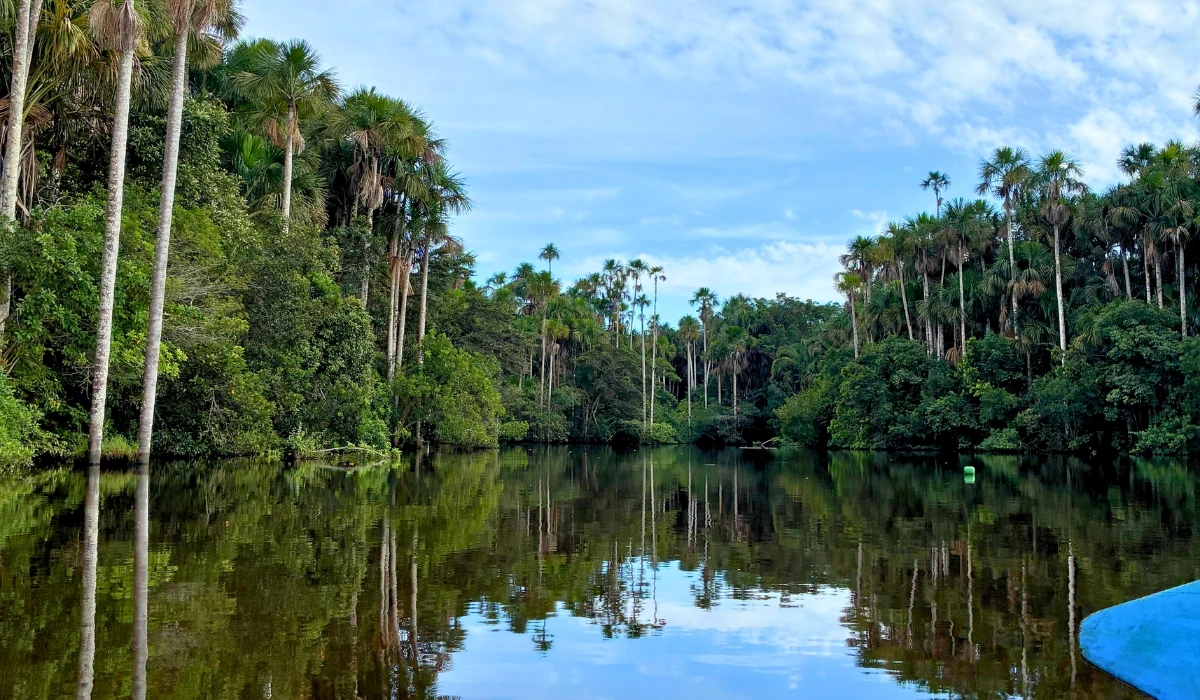
Luxury Travel in the Peruvian Amazon
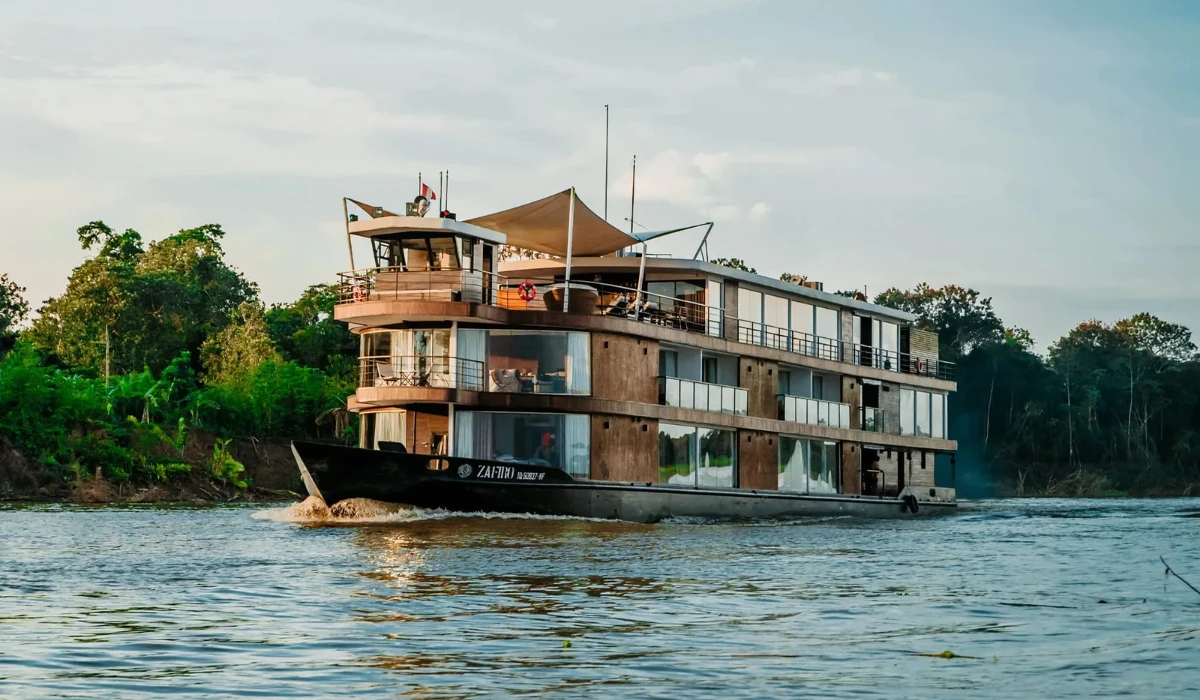
Adventure trips are undoubtedly unique and memorable experiences, especially those that combine understated luxury with exploration. If you are a traveler looking to explore the highlights of the Peruvian Amazon without giving up luxury, we have the perfect option for you: the Zafiro experience.
The Zafiro cruise stands out for offering one of the most private experiences deep within Pacaya Samiria National Reserve. During the journey aboard the cruise and through the activities outside the vessel, you can enjoy:
- Hiking activities in the rainforest led by professional naturalist guides.
- Fusion cuisine, delighting your palate with dishes served on board at a select buffet featuring a variety of Oriental, Italian, Amazonian, and Peruvian cuisine.
- Enjoying drinks on board, available at all times.
- Participating in activities and presentations on board.
This experience is designed for travelers who enjoy understated luxury, so spaces are limited. If you want to enjoy this exclusive experience, book your Zafiro trip with us.
Now that you know more about the Peruvian Amazon and have decided which part of the Amazon to visit, don’t wait any longer and book your next tour with us.
Frequently Asked Questions
Is Tambopata or Manu Better for a First Visit to the Amazon?
It actually depends on how much time you have. If you have limited time, Tambopata is the better option. This is because Tambopata is easier to access from Puerto Maldonado, and tours lasting 2 days are available. Despite the short duration, you can go birdwatching, see animals such as giant river otters at Sandoval Lake, or visit a macaw clay lick.
Can I Visit More Than One Part of the Amazon on a Single Trip?
Yes. You can visit different natural areas on a single trip as long as you have enough time. The Peruvian Amazon has various river routes; however, traveling by river, air, or land takes a long time, so you need at least two weeks or more to explore the Amazon in a single trip.
Which Part of the Amazon Offers the Best Chance of Seeing a Jaguar?
Manu National Park generally offers the greatest chances of spotting a jaguar due to its low tourist density and pristine habitat, although sightings are never guaranteed anywhere in the rainforest.
Do I Need a Visa or Special Permit to Visit the Amazon in Peru?
Most nationalities do not need a special permit to visit Tambopata or Iquitos, but Manu requires prior authorization through your tour operator due to conservation restrictions in certain areas.
What Is the Best Time of Year to Visit the Amazon Rainforest in Peru?
The dry season (May–October) offers more accessible trails and more comfortable travel conditions, while the rainy season (November–April) brings higher water levels, making it ideal for river-based regions such as Iquitos.