
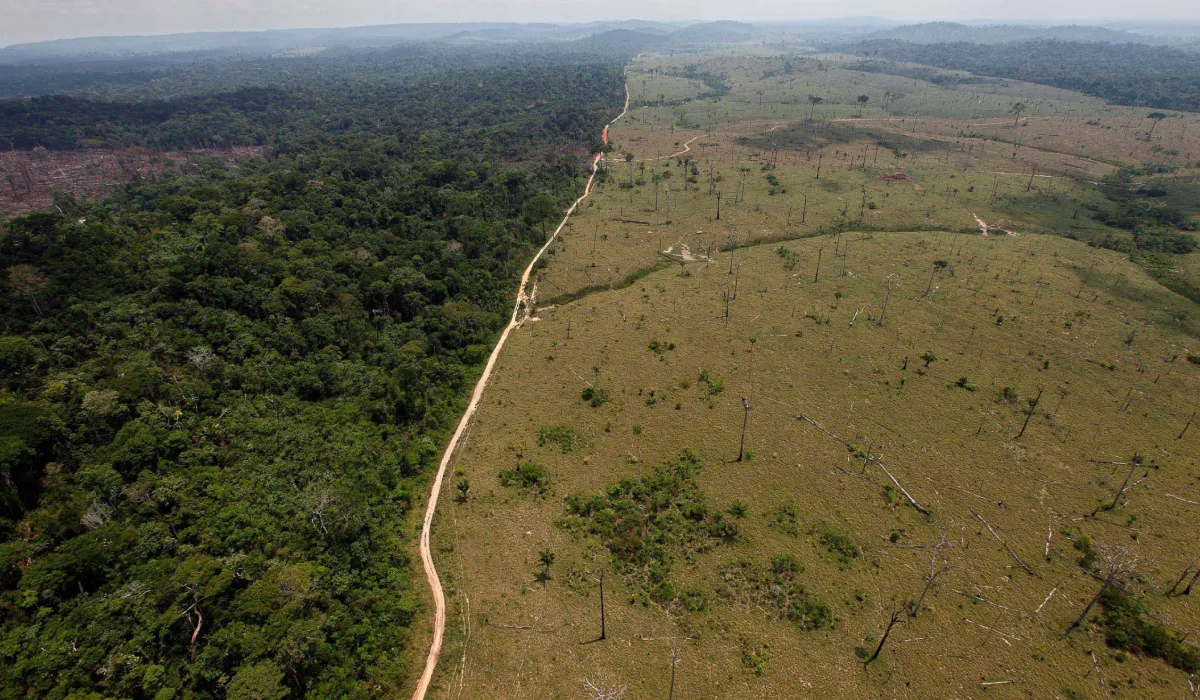
These days are crucial, the Amazon Rainforest is at the center of global conversations right now. During the COP30 the world leaders are discussing climate change, NDCs, deforestation and the urgent need to begin a path towards sustainability.
These topics are being discussed by world leaders and representatives, but civil society actors, activists, environmental leaders, and environmental defenders also deserve to be heard.
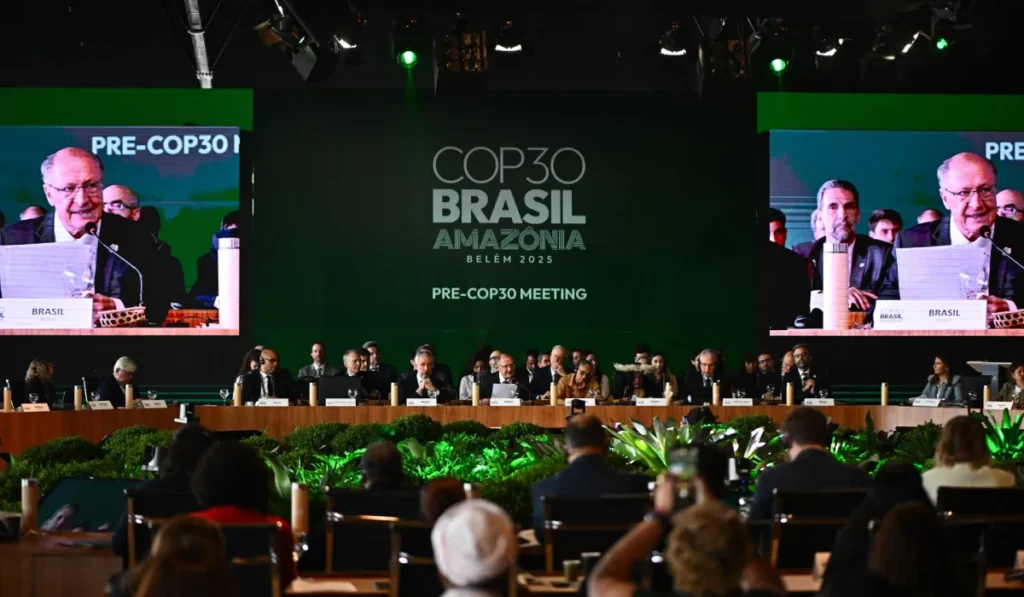
COP30 is the most important COP for Latin America and the Caribbean because our region contains the most vulnerable areas to climate change.
Also, both Peru and Brazil share a significant portion of the Amazon Rainforest. People deforest this area every day, and informal and illegal organizations operate there, engaging in logging, mining, and more. Their actions endanger the lives of thousands of indigenous community members and destroy the habitats of countless unique species of birds, mammals, and other wildlife.
But the future of the planet is not decided at the COP but in everyday life. Indigenous communities and environmental leaders understand this, so they work day after day to develop new strategies that protect their territories while advancing their economic activities. One of these strategies is responsible and conscious tourism in the Amazon.
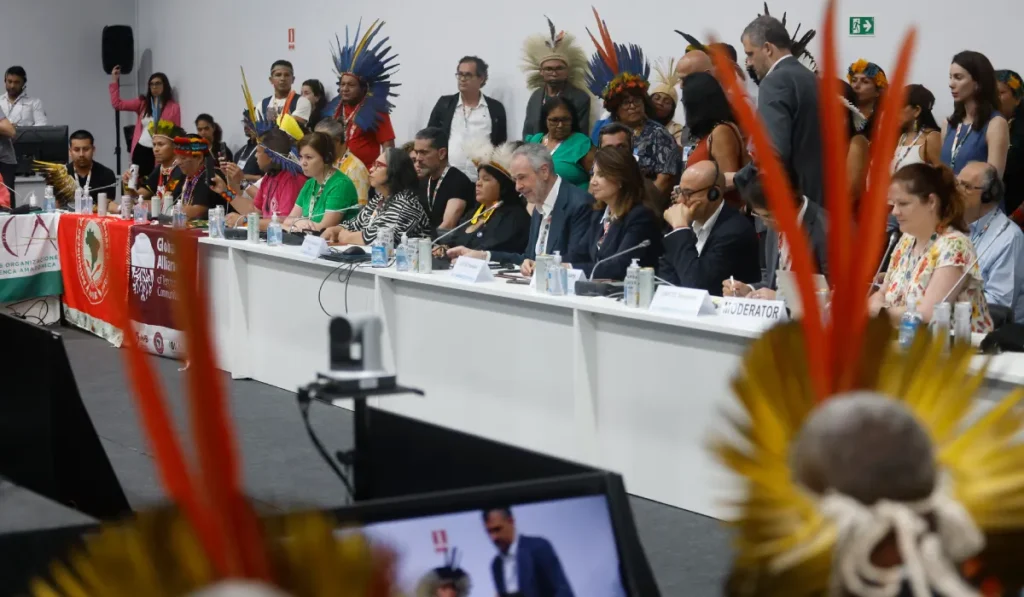
With responsible tourism, local indigenous communities have the opportunity to protect the environment and defend their territories while they use their ancestral knowledge to generate alternative economic development strategies and resist illegal economies. In this context, tourism appears to be an alternative that contributes to development and allows communities to resist illegal economies.
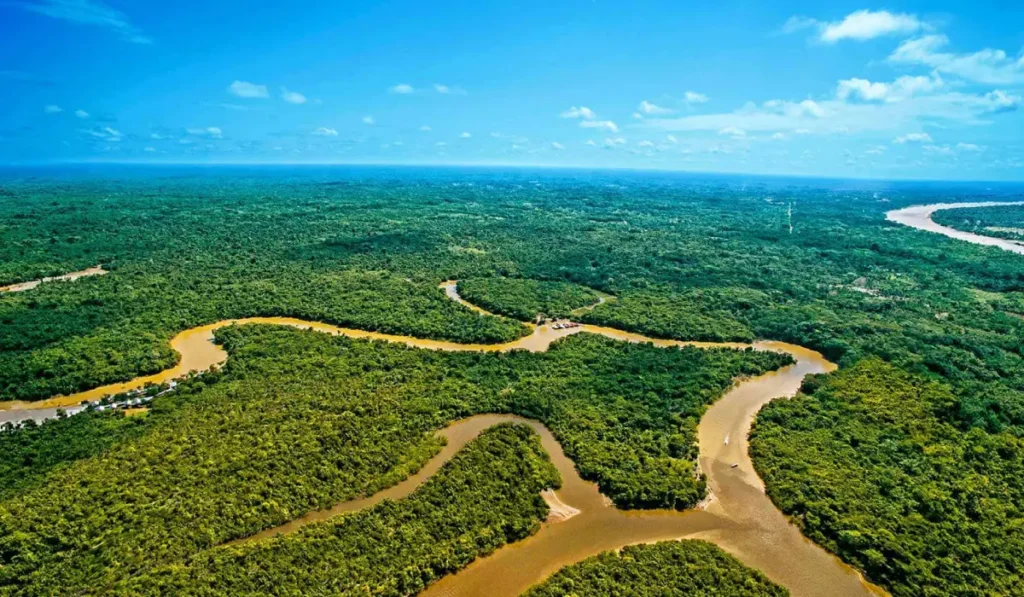
What makes the Peruvian Amazon Rainforest different?
In Peru, local communities have found in tourism an economic activity that allows them to preserve their traditions, generate employment, and share their heritage. Therefore, we present four places within the Peruvian Amazon that you can visit.
- Iquitos, also called the Isle of Iquitos, is accessible only by boat or plane — a world without roads!
- Pacaya Samiria, the “jungle of mirrors”
- Manu National Park, a UNESCO Biosphere Reserve
- Tambopata, home to the world ‘s largest macaw clay lick and giants trees.

With Peru Jungle Trips your trip has a positive impact!
In Peru Jungle Trips we try to work with environmental focus for that we work with:
- Small group travel (max 6 guests) → less environmental impact
- Community-led experiences → we work hand by hand with indigenous communities and rural families
- Wildlife-focused expeditions → in our trips we promote conservation through education
- Social projects -> Your trip also helps us to continue carrying out projects such as tree planting, Christmas events for children in the Amazon, and supporting initiatives that protect the taricaya turtle.
There is no planet b, so make sure your travels have a positive impact on the planet!