
Peru is a key destination, as evidenced by its coastline teeming with wildlife, the Amazon rainforest a natural paradise, and Cusco, the capital of the Inca Empire. During Holy Week, Cusco transforms into a living museum of faith and tradition, where joy and expressions of devotion fill every street. Thousands of travelers witness the fusion of Inca heritage and Spanish colonial traditions with awe—be one of them! Here are the places you can visit and what you can do during Holy Week in Cusco.
Why Easter in Cusco is a Bucket-List Experience
It all begins on Palm Sunday, when people with great faith and devotion go to church and hold natural, handwoven palm branches to receive protection and blessings. These branches often remain in Cusco families throughout the year and are placed at the entrance of their homes. From that moment, Holy Week officially begins in Cusco.
Lord of the Earthquakes (Señor de los Temblores)
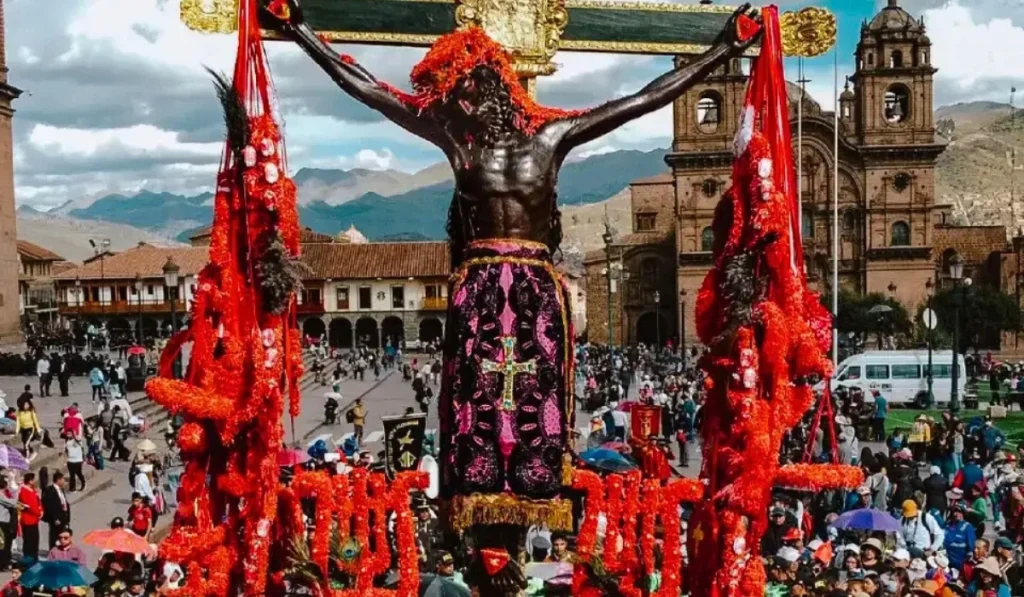
The highlight of Holy Week is ‘Holy Monday’ (Lunes Santo). The patron saint of Cusco, the Lord of the Earthquakes, processed through the historic center. During the procession, he visited the main streets of Cusco and bestowed his blessing upon the hundreds of families who accompanied him. The families accompanying the procession throw the red ñucchu (or ñujchu) flowers to the Lord of the Earthquakes; this flower represents the blood of Jesus and is a way of remembering the blood shed for the love of his faithful.
Gastronomy in Cusco: The tradition of the 12 dishes
It’s unthinkable to experience Holy Week in Cusco without trying the Twelve Dishes! If you don’t try at least six of them, you’ll regret it!
In honor of the twelve apostles, this feast focuses on local Andean ingredients, but what makes these dishes different from traditional Cusco fare is that none of them include red meat or chicken! This is surprising in Peruvian cuisine, and especially in Cusco.
Most of the dishes included in the twelve-course menu feature plenty of cheese, milk, and various seafood. The menu also includes traditional desserts made with fresh, local fruits like peaches and pears. Here are some examples:
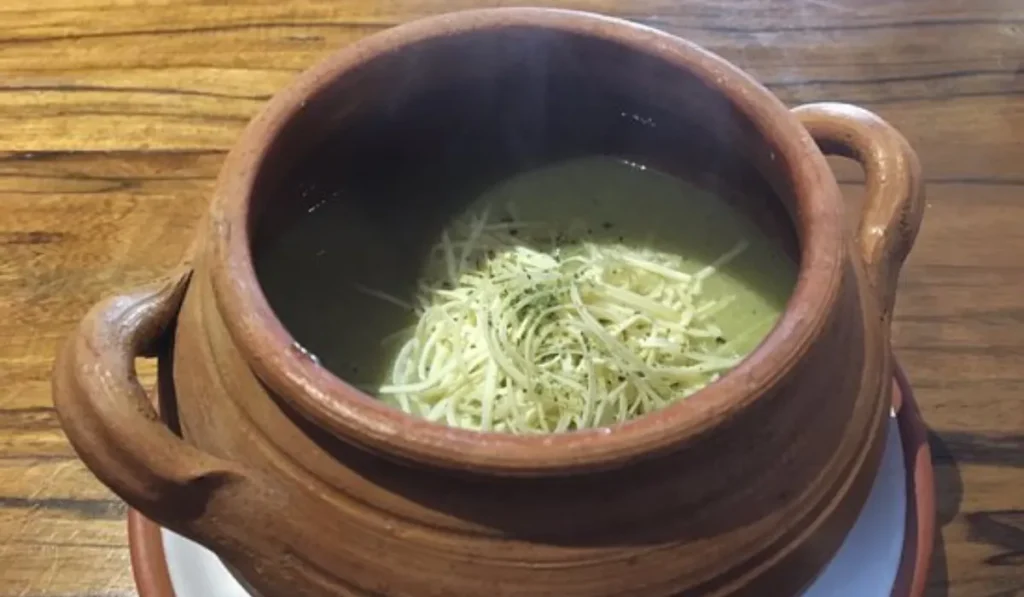
Corn soup or “lawa”: is one of the most famous and iconic soups of Cusco, made from fresh corn from the region, its pleasant and mild flavor will make you want to try more!
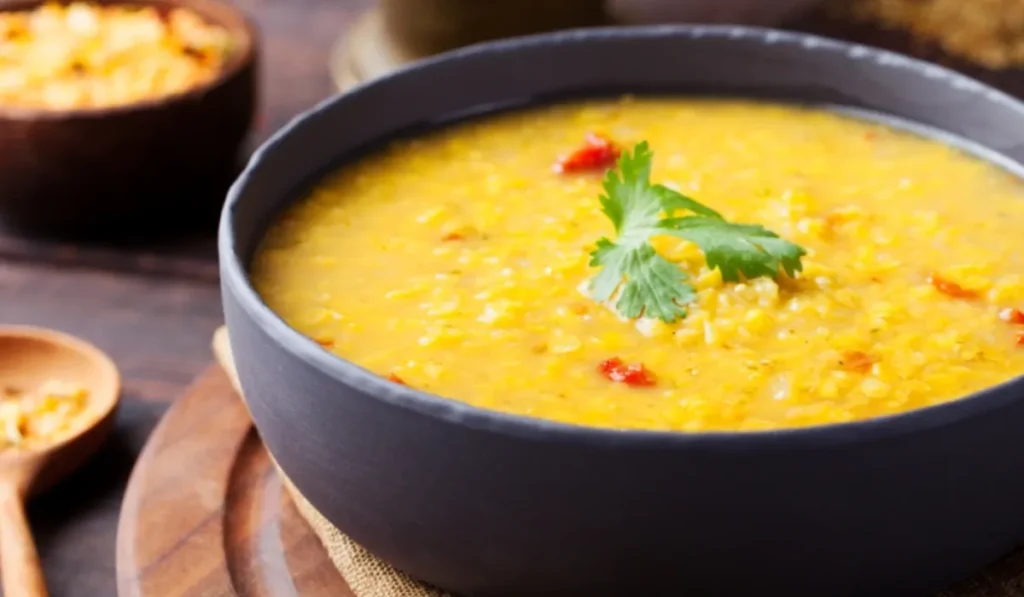
Olluco or liza soup: This soup often contains seafood such as shrimp, fish roe, or clams. Characterized by its pleasant aroma and light broth, it is a perfect combination of ingredients from the highlands and seafood from the Peruvian coast.
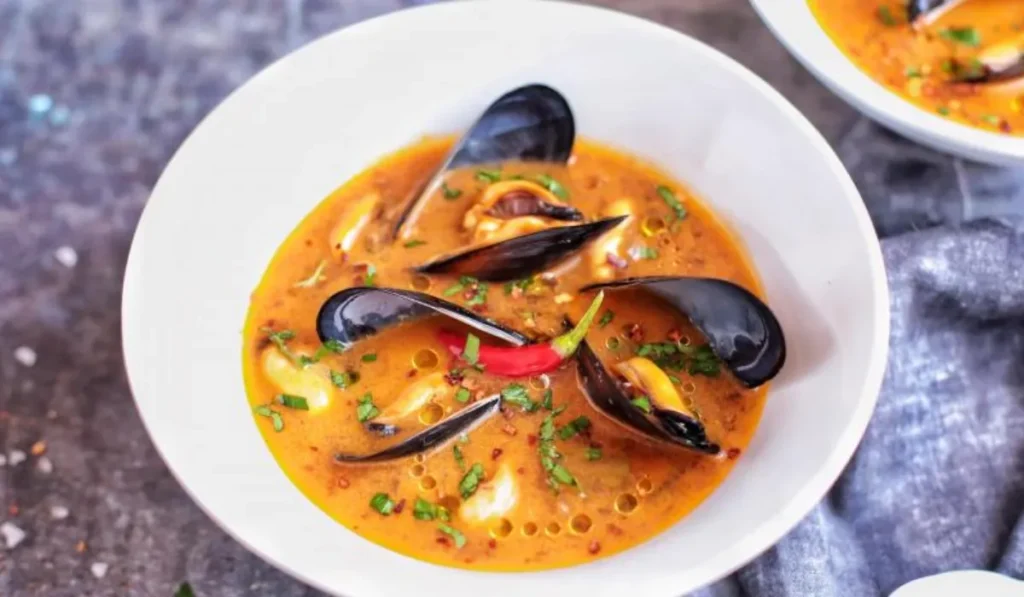
Mussel soup. Mussels are a key ingredient; this soup may contain noodles and other accompaniments. It is quite light on the palate and a favorite of many families.
Desserts are a must among the 12 courses, and Cusco families know this, which is why many of them prepare desserts like:
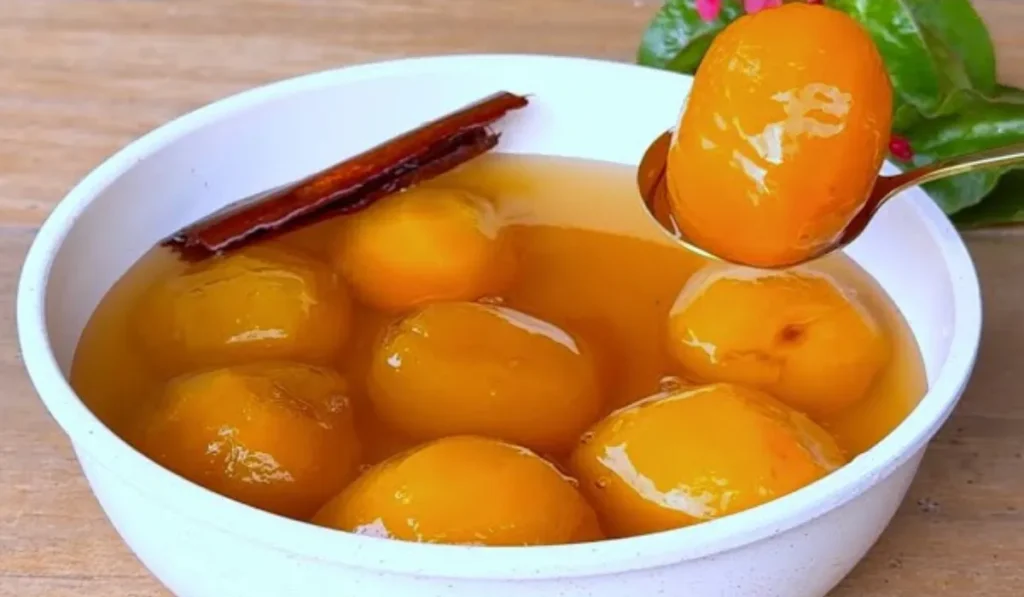
Peach or pear stew: Pears and peaches are abundant fruits throughout Cusco, especially in towns like Caicay, where they produce some of the best peaches in the region. Peach stew is characterized by its sweet flavor and pleasant aroma. In its preparation, several peaches are cooked over low heat, which keeps them soft and juicy. You have to try this dessert at least once in your life!
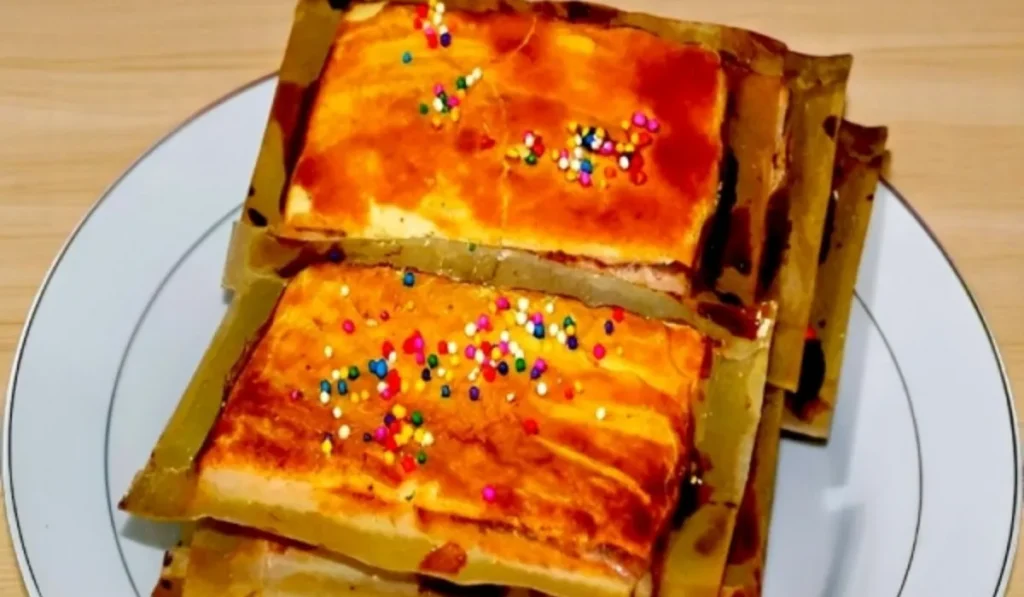
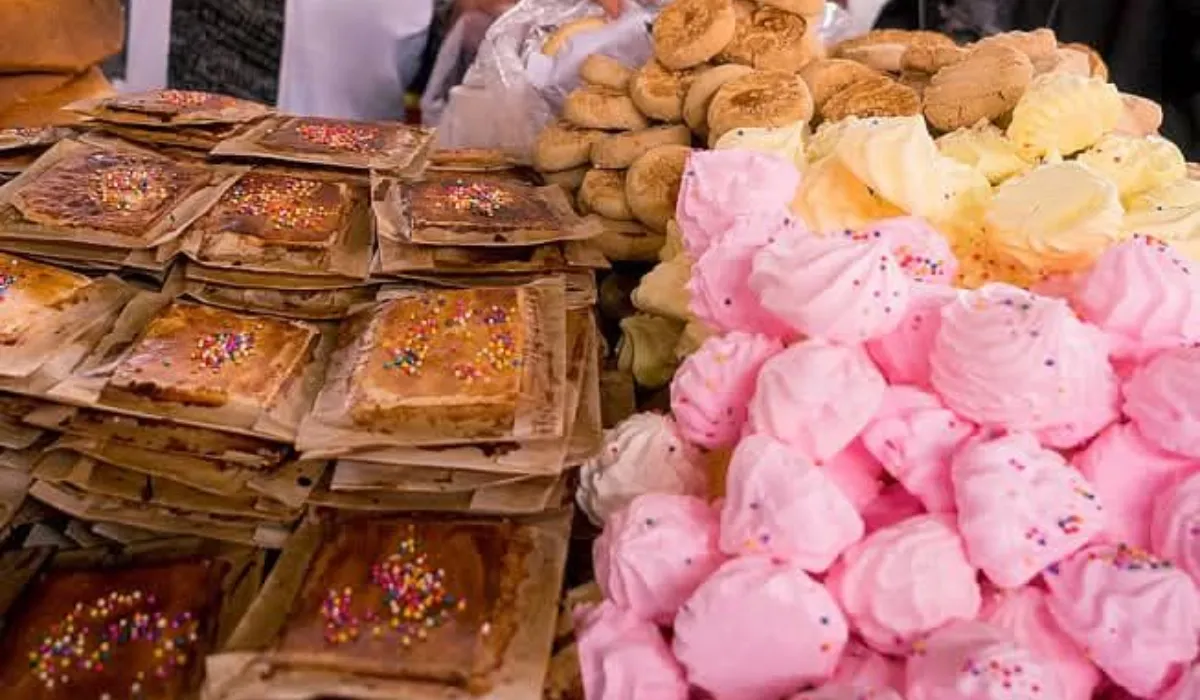
Sweet empanadas: Empanadas are definitely a favorite with little ones and are a must-have on the table! Sweet empanadas are decorated with colorful sprinkles and are softer than cookies. You can buy them and take them on trips!
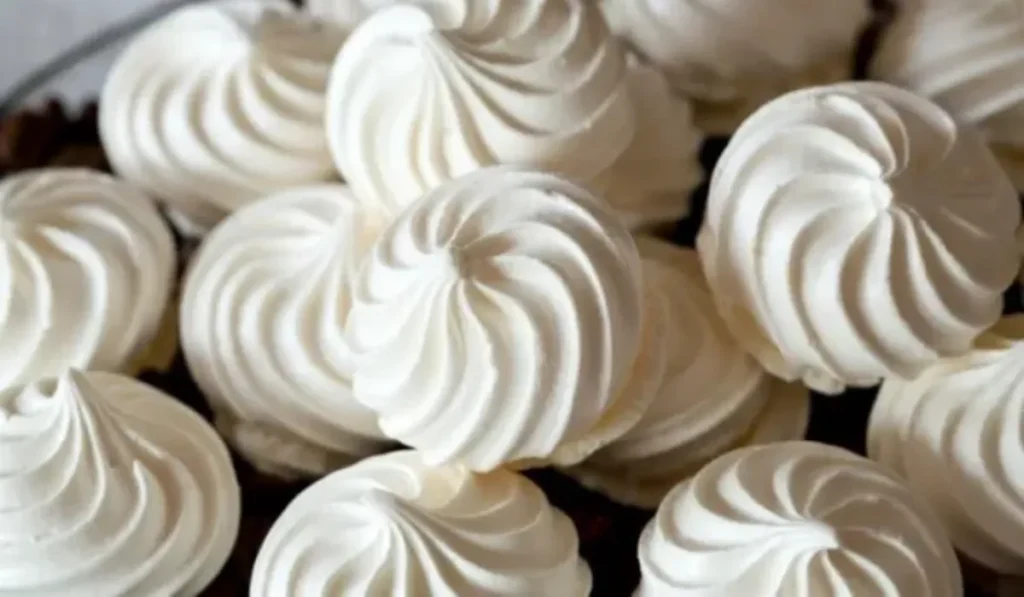
Suspiros: The name of this dessert comes from the fact that after trying them, you won’t be able to stop sighing because of how sweet and delicious they are! This is probably one of the sweetest desserts of Holy Week! Also, if you order Suspiros in other parts of the country, you’ll get completely different desserts, so don’t forget to try them in Cusco!
Did you miss out on visiting Cusco during Holy Week? Contact us now and let’s plan your next trip!