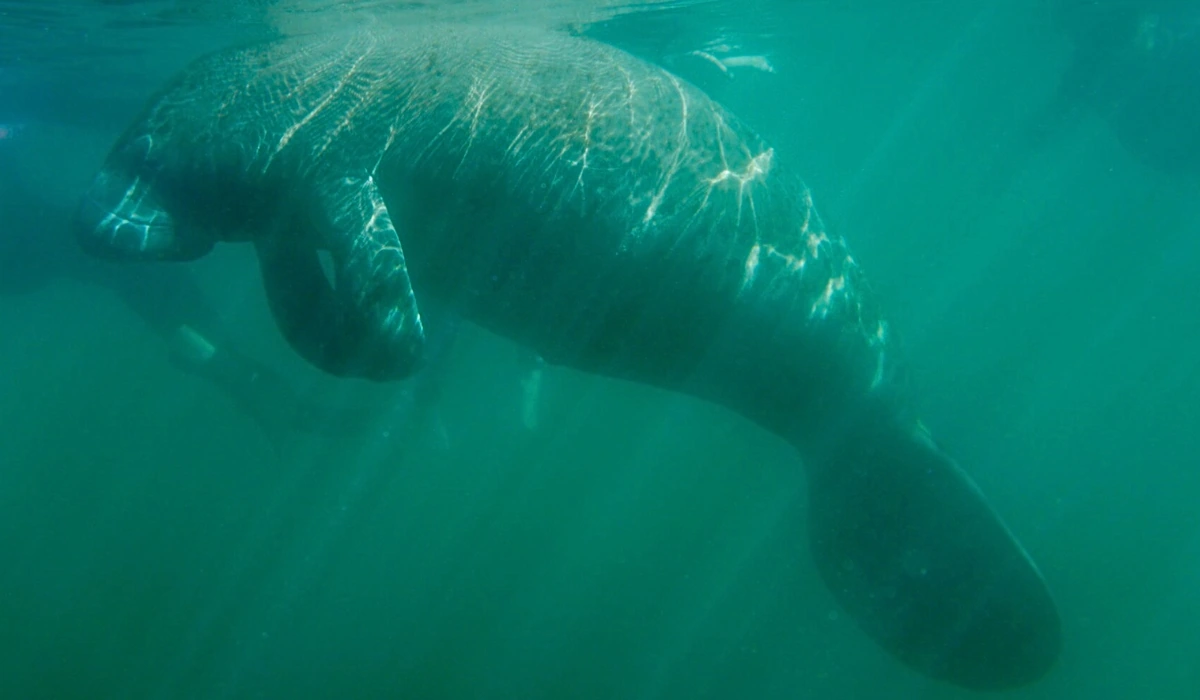
Seeing a manatee in the wild is one of the most incredible experiences in the Amazon. These calm and fascinating animals inhabit freshwater rivers and lagoons, and observing them in their natural environment has become one of the most sought-after activities for travelers who want to enjoy an authentic manatee tour and experience manatee watching in Peru.
Here you will discover everything about manatees: the main species of manatees, their characteristics, diet, behavior, and habitat. You will also learn the differences between the Amazonian and marine manatee, interesting facts, their conservation status, and the best places for manatee watching, such as the Amazon Rescue Center Iquitos, the Quistococha Park Iquitos, the Pacaya Samiria Reserve in the Peruvian Amazon, and the famous Florida manatee tours and manatee sanctuaries in the United States.
What is a Manatee?
The manatee is a large aquatic mammal known for its calm behavior and diet based mainly on plants. Although it lives in the water, it is not a fish: manatees need to come to the surface to breathe air because they have lungs. In addition, mothers feed their young with milk, which means the Amazonian manatee is a mammal, just like the other manatee species.
These animals belong to the group of sirenians, and one of the most surprising fun facts about manatees is that their closest living relatives are elephants. Among the main adaptations of the manatee are their thick skin, flexible snout used for feeding, and their ability to live both in freshwater rivers and coastal areas, depending on the species.
Fun Facts About Manatees: Things You Didn’t Know
- Manatees are herbivorous aquatic mammals that live in rivers, lagoons, and warm coastal areas.
- Their closest living relatives are elephants, not dolphins or whales.
- Christopher Columbus mistook manatees for “mermaids” during his voyages through the Caribbean.
- They have a large paddle-shaped tail that allows them to move slowly underwater.
- Manatees need to live in warm waters because they are highly sensitive to cold temperatures.
- They have thousands of sensory hairs called vibrissae, which help them navigate and find food.
- Their front flippers function almost like hands, and some species even have small nails.
- The Amazonian manatee is the smallest of the manatee species and usually has a white or pinkish patch on its chest.
- Manatee teeth are constantly replaced throughout their entire lives.
- They can remain underwater for up to 20 minutes while resting.
- Although they are large animals, manatees are completely peaceful and feed mainly on aquatic plants.
- The African manatee is the only species that can occasionally consume small fish or mollusks trapped in nets.
- Manatees do not have hind legs; they use their flippers to swim, hold food, and care for their young.
- Their enormous digestive system can measure dozens of feet long in order to process large amounts of vegetation.
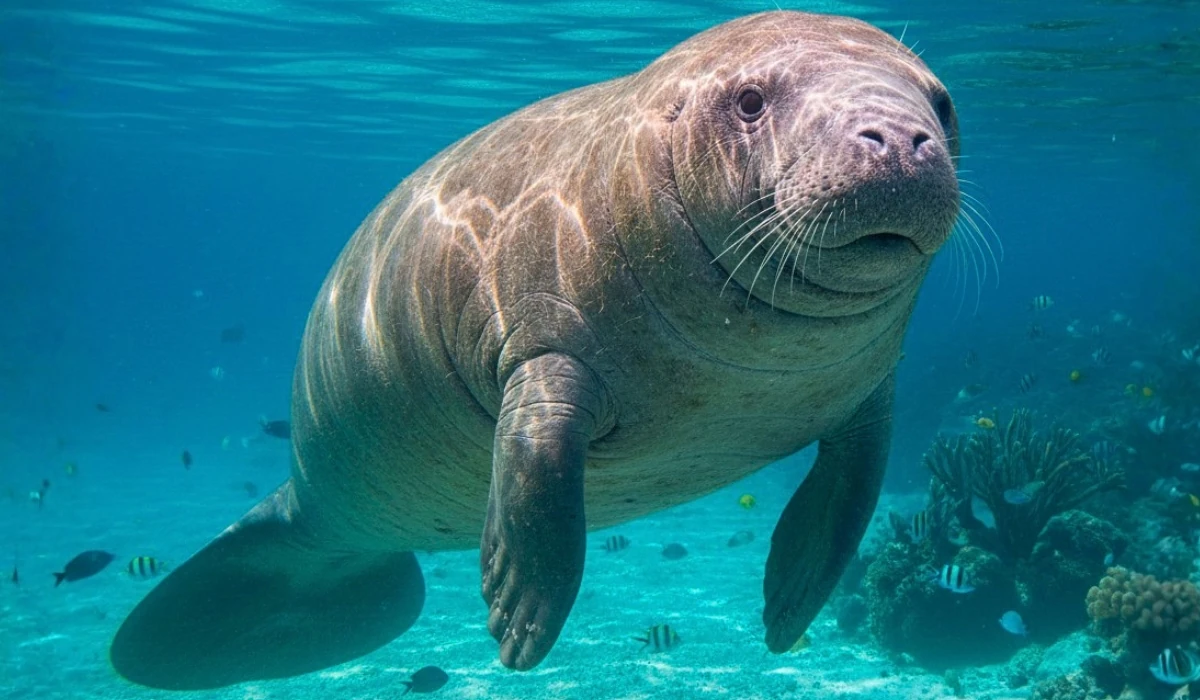
Manatee Species Around the World: Discover Their Characteristics and More
We must understand that not all manatees are the same. There are three main species of manatees across the planet, and they differ based on where they live and certain special physical characteristics. Below, we will explore each one in detail so you can become a true expert.
1. Amazonian Manatee (Trichechus inunguis)
If you are planning a trip to the jungle to see the Amazonian manatee, keep in mind that unlike its relatives that can live in the ocean, the Amazonian manatee lives exclusively in freshwater.
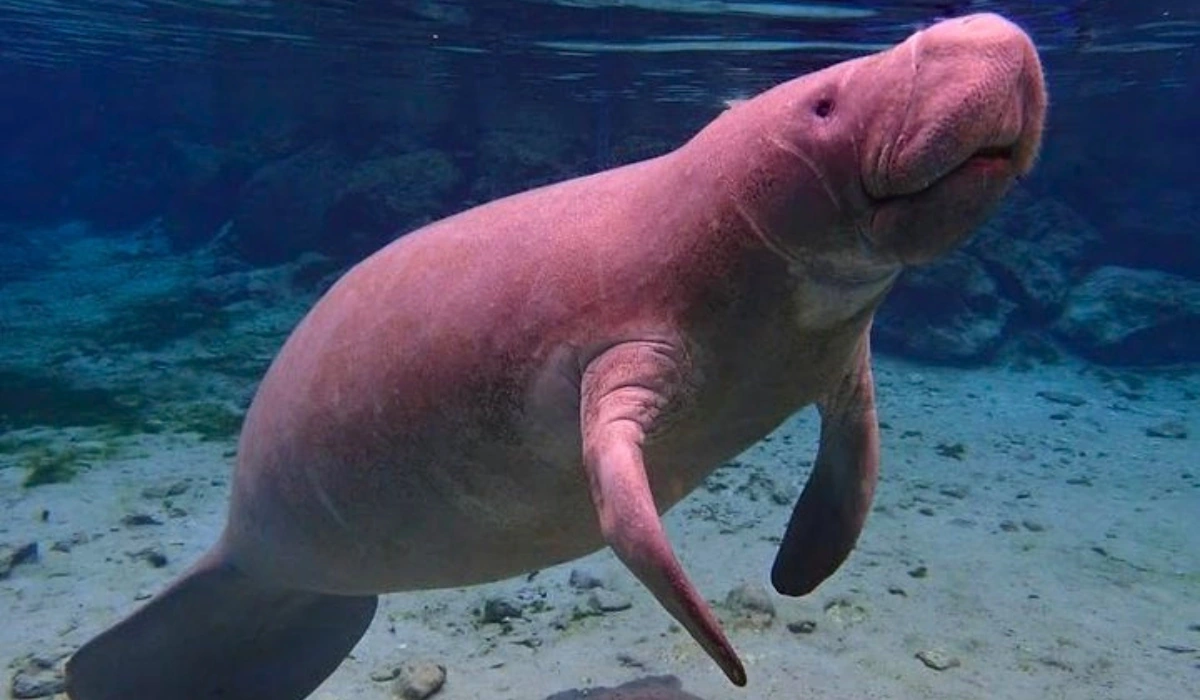
- Physical characteristics: The Amazonian Manatee is the only manatee exclusive to freshwater and is generally the smallest of the three species. Its body is slightly smoother and more cylindrical, allowing it to move more easily through the dense vegetation of jungle rivers.
- Size: It can reach approximately up to 2.8 m (and some reports mention individuals approaching 3 m).
- Weight: The size and weight of the manatee: It usually ranges around 300 to 500 kg (some references also mention a value close to 450 kg as a typical benchmark).
- Manatee breathing: The Manatee breathes air. It rises to the surface, takes a breath, and dives back underwater.
- Behavior: The Amazonian Manatee is shy and discreet. Many times, you do not see the entire animal at first: you notice the gentle movement of the water or the brief sound of its breathing.
- Habitat: The Amazonian manatee habitat consists of river networks, lakes, lagoons, and flooded forests within the Amazon Basin. They love calm and slow-moving waters.
- Places where it lives: It is distributed throughout the Amazon Basin in South America (including Peru and neighboring countries within the basin).
- Color: Generally dark/grayish, sometimes with variations caused by algae or water lighting.
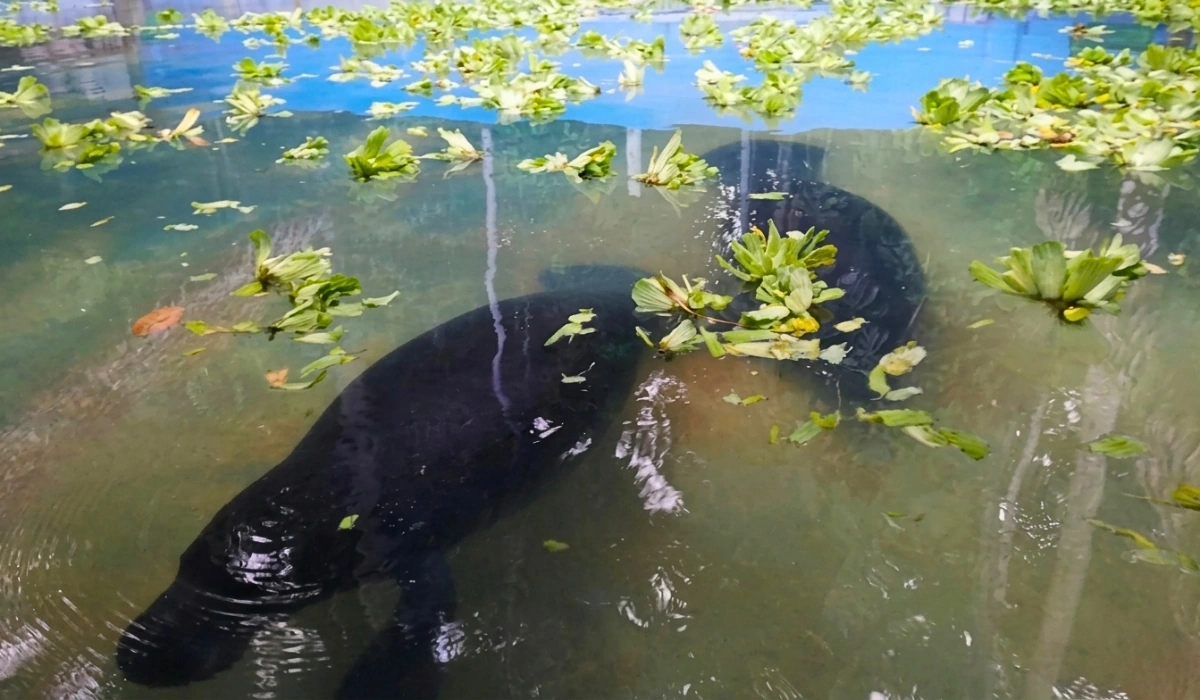
- What it eats: They consume large amounts of aquatic plants, water lettuce, water hyacinths, grasses, and sometimes fruits from palm trees that fall from the trees into the water.
- Endangered status: The Amazonian Manatee is considered a vulnerable species due to threats such as illegal hunting, entanglement in fishing nets, and the loss of its natural habitat.
2. Caribbean or Florida Manatee (Trichechus manatus)
Leaving the South American jungle behind, we travel north to meet the Caribbean manatee, also world-famous as the Florida manatee. This is the species most North American tourists know and see along the coasts.
- Physical characteristics: The Caribbean Manatee (including the well-known “Florida manatee”) is usually larger than the Amazonian species. Its skin is gray and may appear spotted with algae. One practical feature: it does have nails on its flippers (commonly 3 to 4).
- Size: On average, it measures around 2.7–3 m, with records of even larger individuals.
- Weight: Adult individuals are often reported around 200–600 kg, with exceptional cases being much heavier.
- Manatee breathing: Like every Manatee, it breathes air and periodically rises to the surface.
- Behavior: It is curious but must be observed respectfully. In the United States, there are strict regulations: the main recommendation is passive observation, without chasing or forcing interaction.
- Habitat: It lives in coastal areas and rivers; it tolerates both saltwater and freshwater, but it requires access to freshwater.
- Places where it lives: Mainly throughout the Caribbean and the Atlantic coast/warm regions, with famous locations in Florida.
- Color: Gray, sometimes greenish/brown due to algae.
3. African Manatee (Trichechus senegalensis)
Finally, we cross the Atlantic Ocean to meet the least studied and most mysterious species of all: the African manatee.
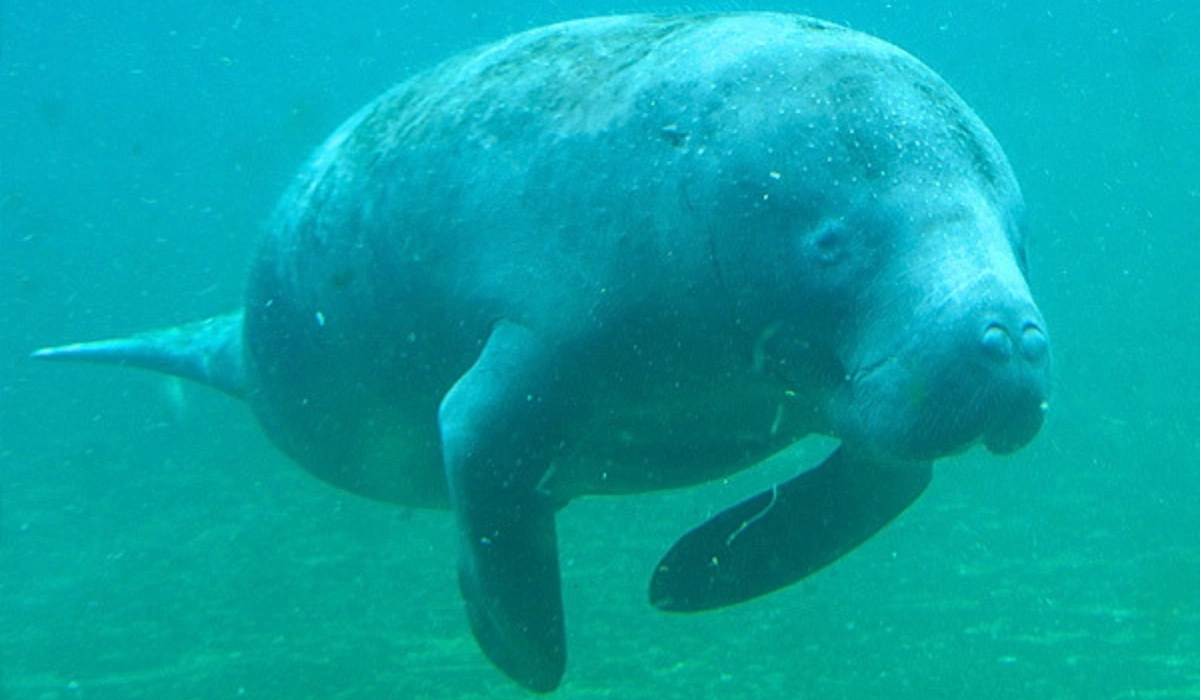
- Physical characteristics: The African Manatee has a robust body, paddle-shaped tail, and gray coloration, sometimes appearing greenish because of algae. At first glance, it looks very similar to the Florida manatee, but scientists have noted that it has slightly more protruding eyes and a flatter, blunter snout pointing downward, which helps it feed along the bottom of Africa’s murky rivers.
- Size: It is usually described within an approximate range of 3 to 4 m.
- Weight: It can range widely, with references around 360–750 kg.
- Manatee breathing: Since they live in very dark rivers and estuaries, they surface to breathe in a very silent and quick manner, barely exposing the tip of their nose to avoid detection by humans or predators.
- Behavior: Discreet and often difficult to observe in murky waters or areas with dense vegetation.
- Habitat: Like the Caribbean manatee, they can live both in freshwater rivers and in the brackish waters of coastal estuaries and ocean regions. Rivers, estuaries, and mangrove zones are common habitats depending on the area.
- Places where it lives: From Senegal to Angola, extending into major African rivers such as the Niger River and the Congo River.
- Color: Gray, with changes caused by algae.
- Endangered status: It is frequently mentioned as a species facing strong human pressure and in need of conservation; its exact situation depends on current evaluations.
Differences Between Manatee Species and the Dugong
To make the information even clearer, especially if we want to understand the differences between the manatee and the dugong or the difference between the Amazonian and marine manatee. The dugong is a distant cousin of the manatee that lives in the Pacific and Indian Oceans, and we include it so you can notice their major differences.
| Mammal Species | Type of Water Where It Lives | Maximum Size | Does It Have Nails on Its Flippers? | Does It Have a White Spot on Its Chest? | Shape of Its Tail |
| Amazonian Manatee | Exclusively Freshwater | 2.8 meters | No | Yes | Rounded paddle-shaped tail |
| Florida/Caribbean Manatee | Freshwater, Brackish, and Saltwater | 3 meters | Yes (3 to 4 nails) | No | Rounded paddle-shaped tail |
| African Manatee | Freshwater, Brackish, and Saltwater | 4.0 meters | Yes (3 to 4 nails) | No | Rounded paddle-shaped tail |
| Dugong | Exclusively Saltwater | 3.3 meters | No | No | Split into two parts (like a whale or dolphin) |
Breeding Season and Lifespan of the Amazonian Manatee
The Amazonian Manatee has a slow reproductive cycle. A gestation period of 12 to 14 months and the birth of one calf are commonly described. Many births occur between December and July, with a reported peak between February and May, coinciding with the rising water levels in the Amazon.
Regarding its lifespan, it is frequently mentioned that in the wild it can live for several decades, and that its slow reproductive rate means that any human threat has a strong impact on the population.
Manatee Watching Tours in the Peruvian Amazon: Where to See Manatees
If you are planning an Iquitos tour to experience manatee watching, we recommend traveling with Peru Jungle Trips, one of the best agencies for travel in the Peruvian Amazon. Although their tours do not yet include a visit to the CREA (Amazon Rescue Center), you can customize your itinerary by adding 1 extra day to visit this manatee refuge, where with some luck you may even be able to feed them.
Here are the best places to include in your manatee tour in Iquitos.
1. Manatees at the Amazon Rescue Center (CREA)
The first place you should include in your itinerary is the Amazon Rescue Center of Iquitos (CREA), located approximately 30 to 40 minutes by private taxi and around 50 minutes if you decide to go by bus from downtown Iquitos, along the Iquitos–Nauta highway.
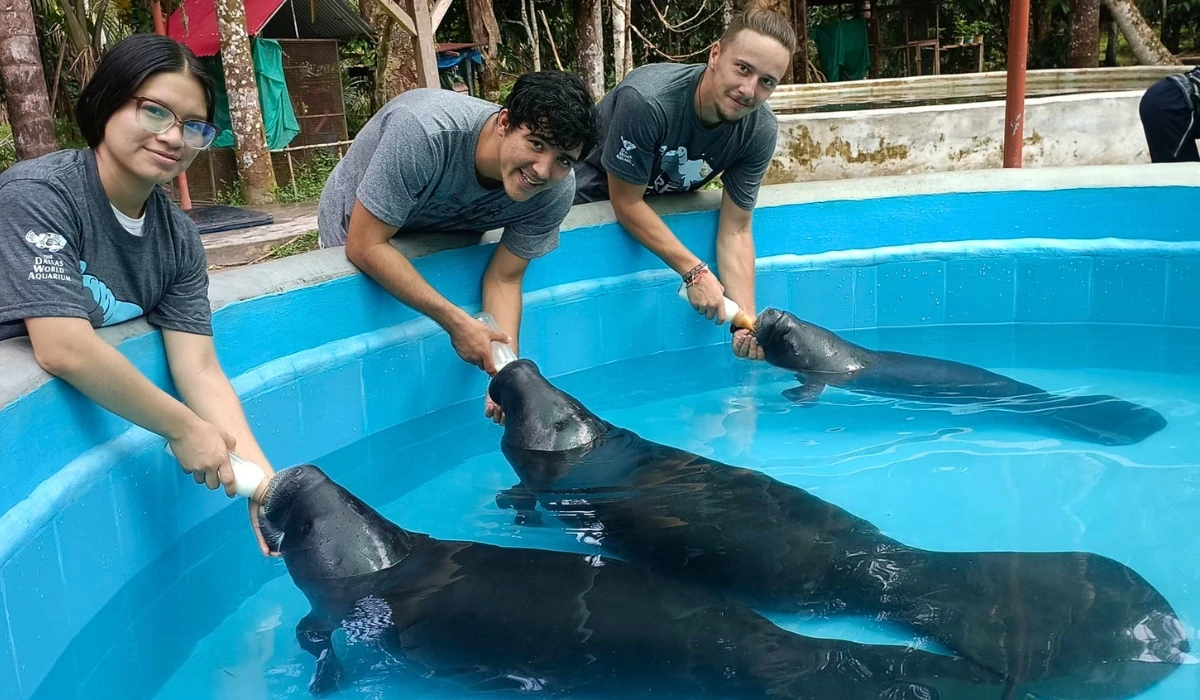
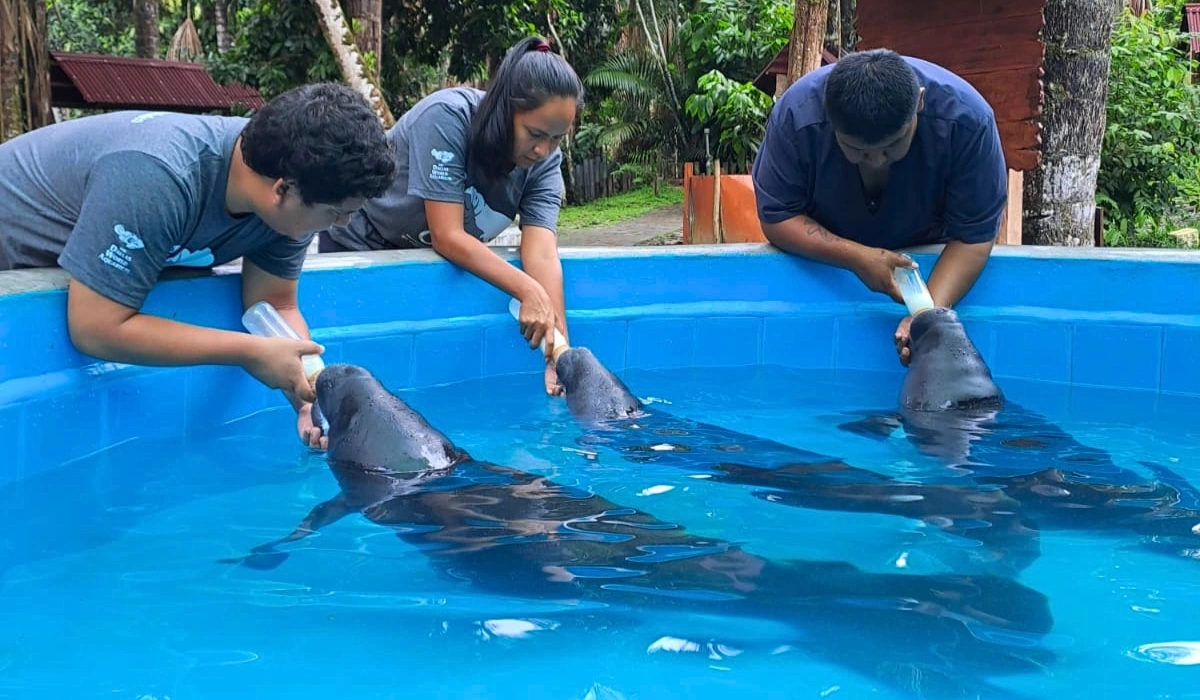
This renowned conservation center is dedicated to the rescue, care, and rehabilitation of orphaned Amazonian manatees, whose mothers were victims of poachers or boat accidents. During the guided visit, you will be able to closely observe the baby manatees swimming in safe pools while expert biologists explain the delicate process of feeding them with bottles and preparing them for their future release. It is an educational, family-friendly, deeply moving experience and one of the best ways to see manatees in Iquitos while supporting Amazon conservation.
2. Manatees at Quistococha Tourist Park
Located just a few minutes from downtown Iquitos and very close to CREA, Quistococha Tourist Park is one of the most visited places in the city. This tourist complex combines nature, recreation, and conservation, featuring a large natural lagoon, a white-sand beach, and areas dedicated to rescued Amazonian wildlife. Here you can also observe Amazonian manatees as part of its environmental education programs, in addition to enjoying boat rides, walks, and spaces ideal for families. More than just a recreational visit, Quistococha allows visitors to closely understand the importance of protecting the wildlife of the Peruvian Amazon.
3. Manatees in the Pacaya Samiria National Reserve
If you are looking for a more adventurous experience and the possibility of seeing Amazonian manatees in the wild, the Pacaya Samiria National Reserve is one of the best destinations in the Peruvian Amazon. This enormous protected natural area is home to an incredible diversity of wildlife and is the place where CREA releases rehabilitated manatees so they can return to their natural habitat.
Peru Jungle Trips organizes various tours to the Pacaya Samiria Reserve from Iquitos, where with a bit of luck you may be able to observe wild manatees during the expedition. In addition, the tour allows you to enjoy pink dolphins, monkeys, exotic birds, and unique landscapes while navigating rivers and lagoons surrounded by Amazon rainforest.
4. Manatees in Pucallpa (Ucayali)
Pucallpa, the capital of the Ucayali region, is another gateway to the Peruvian Amazon and a good option to complement a broader Amazon route. In its surroundings, places such as Yarinacocha Lagoon and Cashibococha Lagoon stand out, where boat rides, nature activities, and visits to native communities are offered. Although manatee sightings are rare and depend greatly on luck, this region allows visitors to discover another side of the Peruvian jungle and enjoy its landscapes, culture, and Amazonian biodiversity.
If your plan is to see a Manatee in its natural habitat, Loreto (Iquitos and reserves) remains the strongest option, but Ucayali can also be included as part of a broader Amazon route.
Florida Manatee in the United States: Best Places to See Them
Although the Peruvian Amazon is one of the best places in the world to observe the freshwater Amazonian manatee, many travelers also want to see the marine or saltwater manatees that inhabit Florida, United States. During the winter months, between November and March, the cold ocean temperatures force these manatees to move toward rivers, springs, and warm-water canals, offering a unique opportunity to observe them up close in their natural habitat. The best places to see Manatees in the United States are:
1. Crystal River (The Main “Sanctuary”)
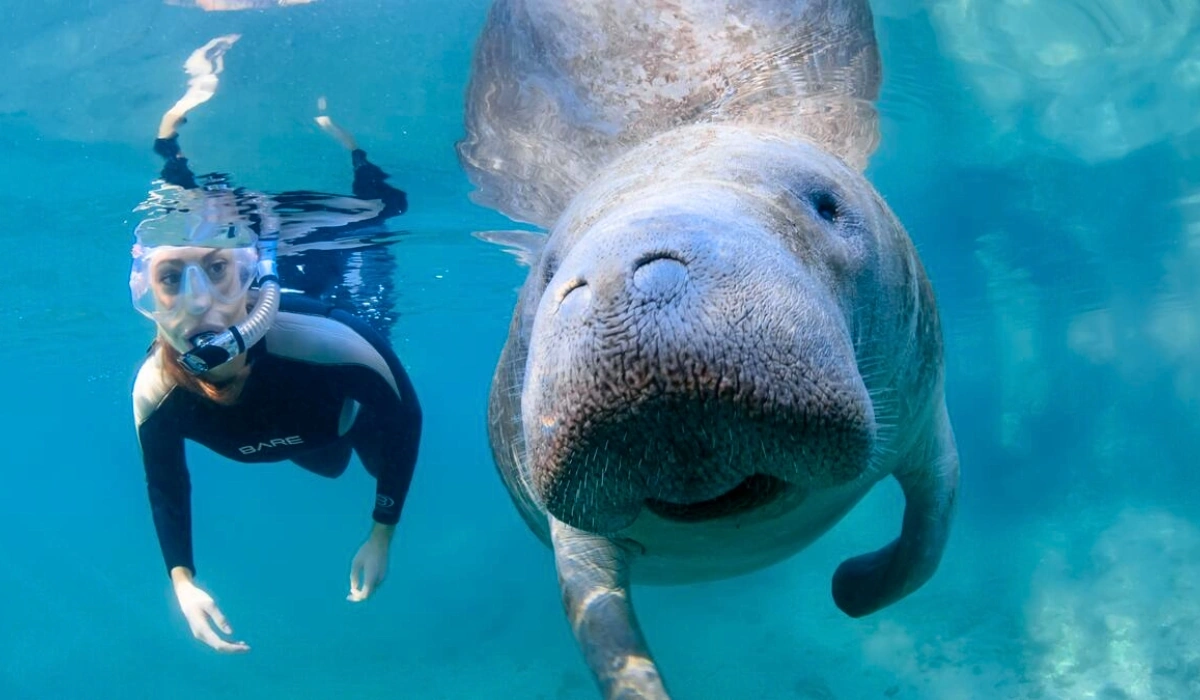
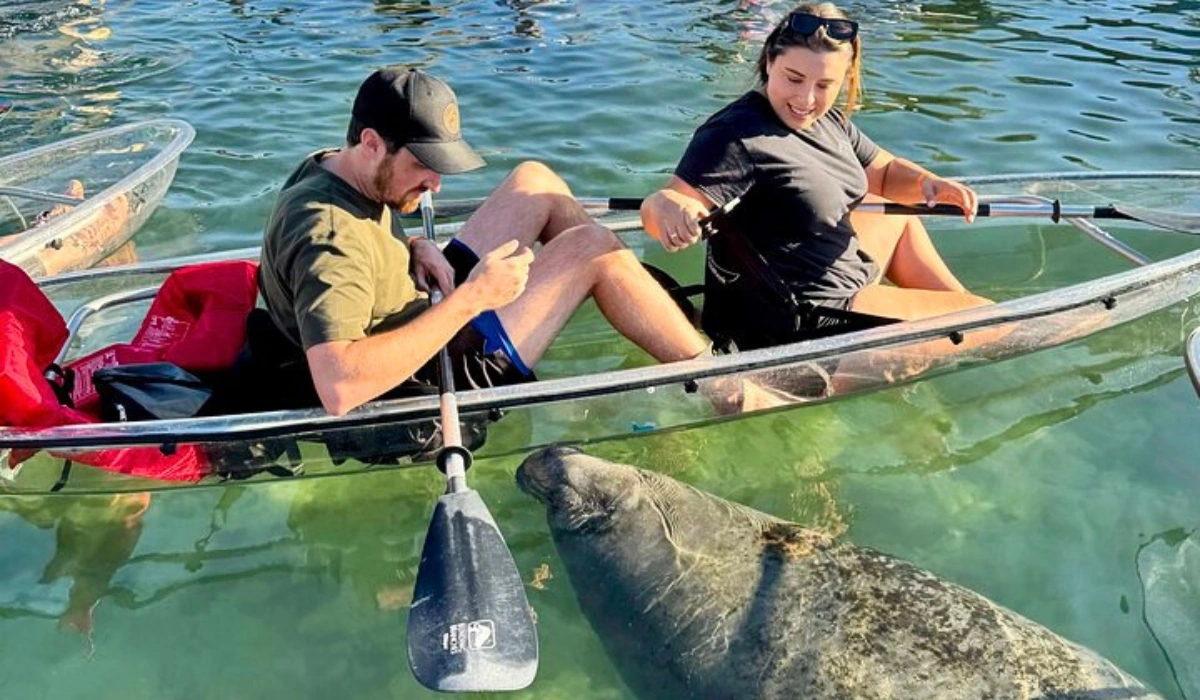
Located on Florida’s Gulf Coast, Crystal River is the best place in the United States to observe marine or saltwater manatees. This location stands out because it is the only place in the country where it is legally permitted to swim with manatees under strict conservation regulations. Its crystal-clear waters, especially in areas such as Three Sisters Springs, provide exceptional visibility for observing these animals up close.
Manatee tours in Crystal River promote responsible observation: visitors must remain quiet and avoid touching or chasing the animals. Even so, manatees often approach in a curious and calm manner, creating a unique and unforgettable experience in Florida.
2. Blue Spring State Park (Near Orlando)
Located a short distance from Orlando, Blue Spring State Park is considered one of the best manatee tours in the U.S. for those who want to observe these animals without entering the water. During the coldest winter months, the warm spring waters attract hundreds of Blue Spring State Park manatees, making this place one of the most important manatee viewing spots in Florida.
The park features elevated boardwalks and observation platforms from which visitors can watch manatees resting, swimming, or caring for their calves in crystal-clear waters, all in a safe and wildlife-friendly manner.
3. Manatee Lagoon (West Palm Beach)
For those looking for where to see manatees in Florida, Florida’s Manatee Lagoon, known as Manatee Lagoon in West Palm Beach, is an excellent option on the state’s east coast. During the winter, many manatees gather in this area attracted by the warm waters released by a nearby power plant, creating a great opportunity to observe them up close.
This free educational center features observation platforms and interactive exhibits where visitors can learn about manatee conservation and the importance of protecting their natural habitat while enjoying sightings of these animals in calm waters.
4. TECO Manatee Viewing Center (Tampa / Apollo Beach)
The TECO Manatee Viewing Center, located near Tampa in Apollo Beach, is another of the most popular places to observe marine manatees in Florida. This renowned manatee sanctuary in Florida attracts large groups of manatees during the winter thanks to the warm waters released by a nearby power plant.
The center features elevated walkways, observation decks, and educational areas where visitors can enjoy manatee observation tours near power plants in a safe and responsible way. It is important to note that these sightings mainly occur between fall and winter, since during spring and summer many manatees return to more open waters.
Frequently Asked Questions About the Manatee
1. Is the Amazonian Manatee a mammal?
Yes. The Manatee is a mammal: it breathes air, is warm-blooded, and feeds its young with milk.
2. What does the Amazonian Manatee eat?
The Amazonian Manatee eats aquatic plants (floating and shoreline vegetation). Different references describe that it can consume a significant portion of its body weight in vegetation during the day, especially when food is abundant during the high-water season.
3. What is the difference between a Manatee and a dugong?
Both are sirenians, but they are easily distinguished by their tail and face: the dugong has a tail with “dolphin-like” flukes, while the Manatee has a rounded, paddle-shaped tail. The shape of the snout and the type of feeding on the seafloor in the dugong are also different.
4. How many years does the Amazonian Manatee live?
The life expectancy of the Amazonian Manatee varies depending on its environment. If you are wondering how long an Amazonian Manatee lives in the wild, the answer is that, if it manages to avoid human-related dangers, it can live an average of 30 years. However, in controlled rescue and conservation environments with specialized veterinary care and without external threats, manatees have shown that they can exceed five decades, approaching 60 years of age.
5. What is the difference between the Amazonian and marine manatee?
The main difference is that the Amazonian manatee lives exclusively in freshwater rivers and is the smallest of all manatees. In addition, it does not have nails on its flippers and usually has a white or pinkish patch on its chest. In contrast, the marine manatee inhabits coastal areas and saltwater environments, is much larger, has small nails on its flippers, and its body is completely gray.
Contact us and customize your tour to Iquitos with a visit to the Amazon Rescue Center (CREA), where you can meet, learn about, and observe Amazonian manatees while supporting their conservation in the Peruvian Amazon.