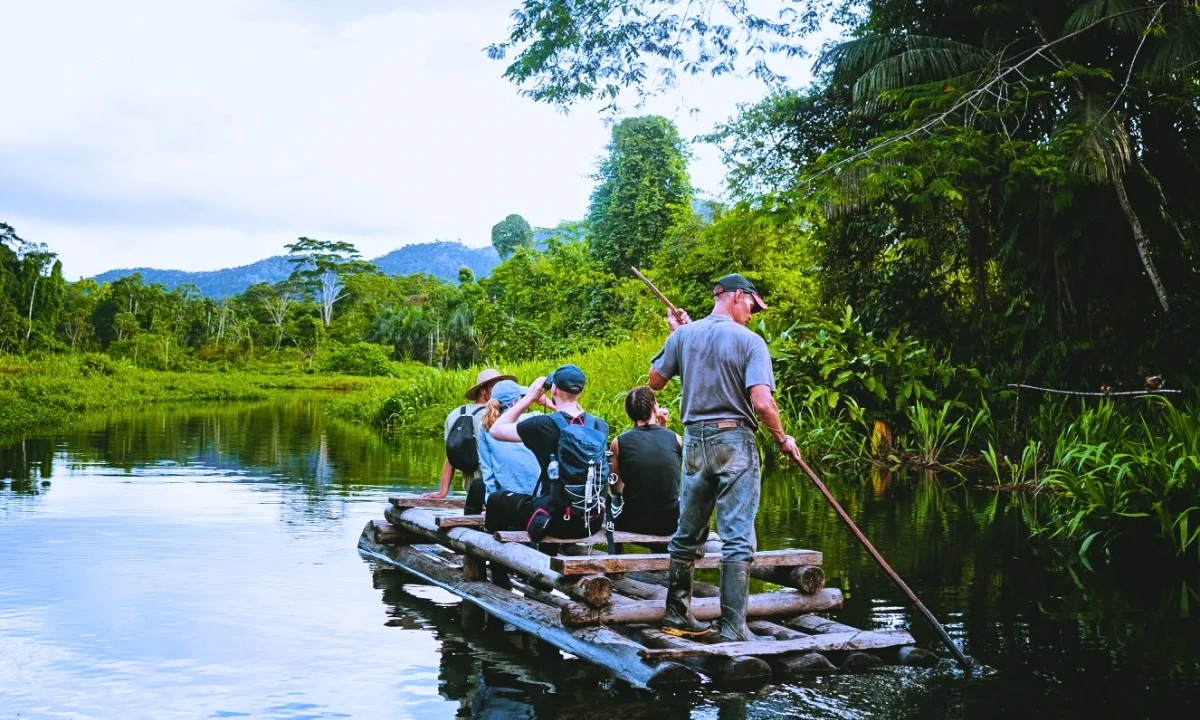
On the route from Cusco to Manu, there is an ecosystem that few people know about: the Manu Cloud Forest. Hidden between the Andes and the Peruvian Amazon, this mysterious forest is covered in mist, concealing a diverse flora and fauna.
At Peru Jungle Trips, we believe that enigmatic places like this one deserve to be known and protected. That is why we tell you everything you need to know about the cloud forest, one of the best-kept secrets of the Peruvian Amazon and adventure tourism.
What Is the Manu Cloud Forest?
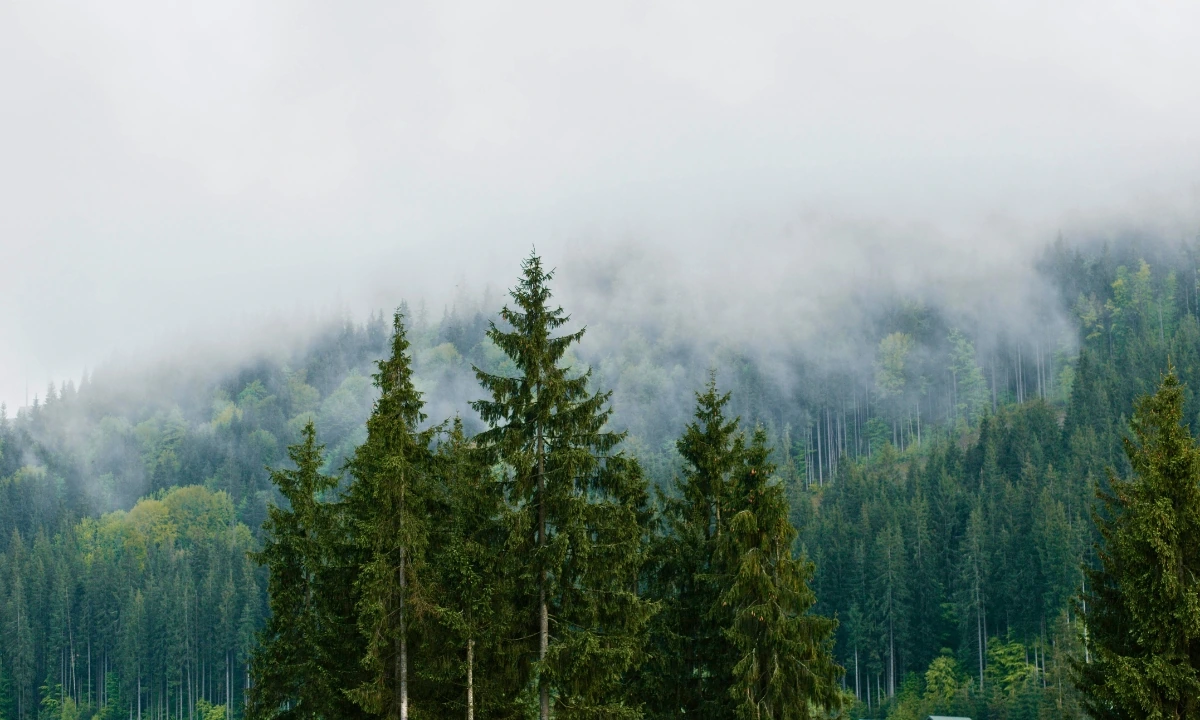
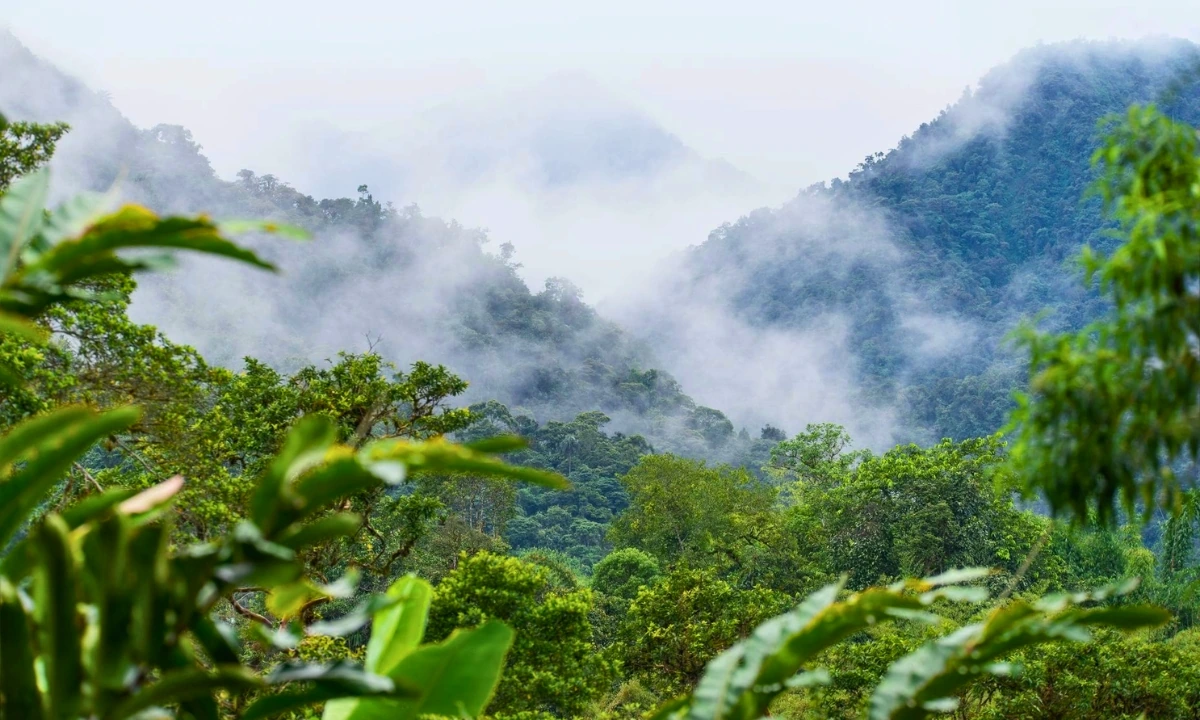
It is one of the most impressive places in the Manu Biosphere Reserve. Located in the Kosñipata Valley, it is characterized by the abundant and constant presence of clouds or mist throughout the day.
Characteristics That Make the Manu Cloud Forest Unique
- The cloud cover or mist is so dense that it prevents visibility beyond 2 or 3 meters.
- Its topography is extremely rugged, with slopes of more than 30 degrees, numerous ravines, and, in certain places, waterfalls.
- It has trees that exceed 20 meters in height and have trunks and branches covered with mosses, ferns, and epiphytes.
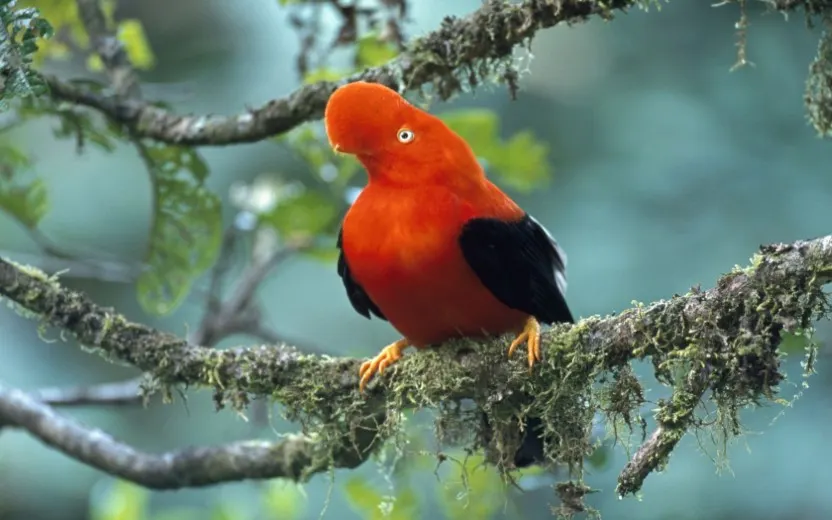
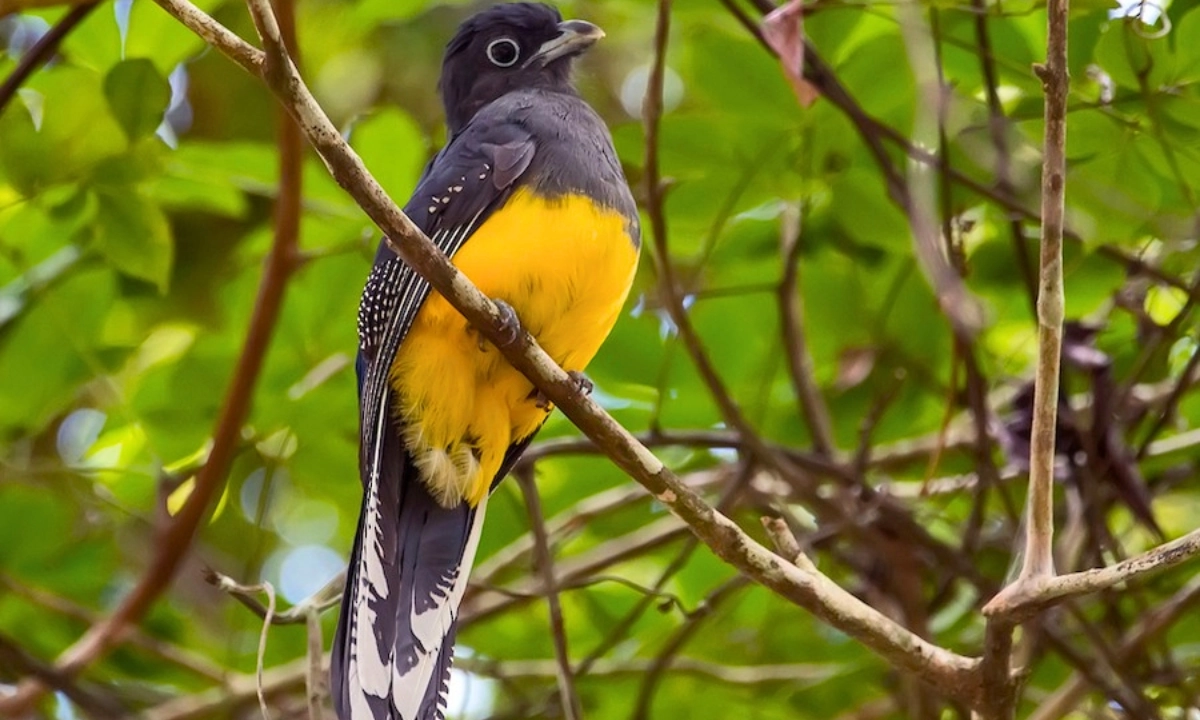
- It is home to hundreds of birds such as the Andean cock-of-the-rock, masked trogon, crested quetzal, and more.
- It is one of the few places in Peru where you can find species such as the spectacled bear, coati, tayra, and more mammal species.
- Its climate is mild and rainy, with December to March being the rainiest months.
The Best Time to Visit the Cloud Forest
From May to October is the best time to visit the cloud forest because there is better visibility. However, this is the period with the highest demand, so it is recommended to book in advance.
Animals in the Cloud Forest
- Andean cock-of-the-rock: known as the national bird of Peru. It mainly inhabits areas such as the understory.
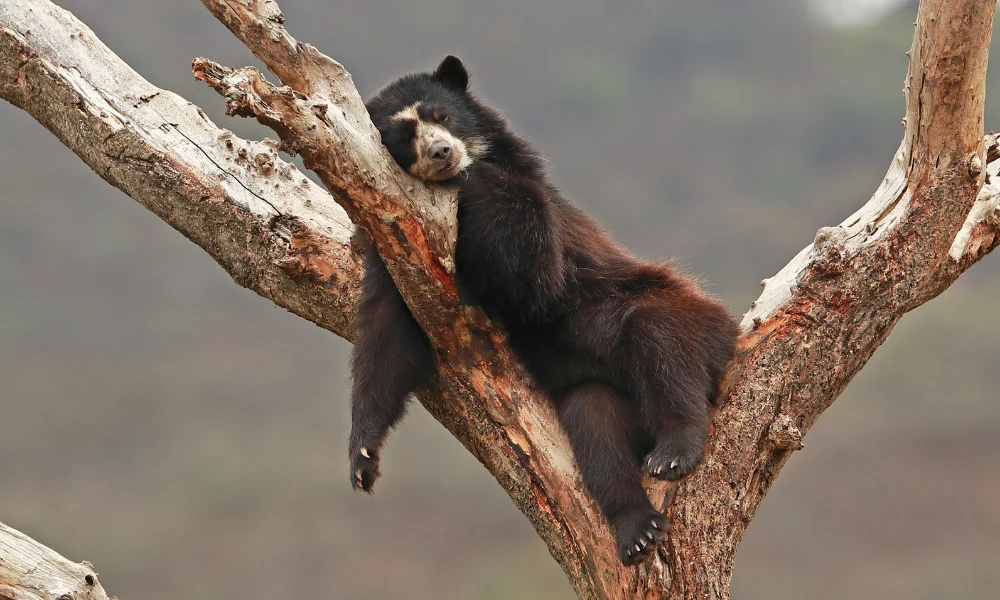
- Spectacled bear: solitary and diurnal, it is the only bear in South America. It is characterized by white markings around its eyes.
- Ring-tailed coati: it is a small terrestrial and diurnal mammal, characterized by its long and flexible snout.
- Lowland tapir: this mammal is occasionally found in the cloud forest. It is large, solitary, and mainly nocturnal.
- White-lipped peccary: it is considered one of the engineers of the Amazon. It is diurnal and nocturnal, nomadic, and sometimes moves through the cloud forest.
In addition, this enigmatic forest is the perfect place for activities such as birdwatching, interpretive walks, photography, and night walks. With our tours from Cusco to Manu, you can experience the highlights of the cloud forest.
So, How Many Days Do I Need to Explore the Cloud Forest?
This depends greatly on the experience you want to have and the time available in your itinerary.
| Traveler Profile | Suggested Duration | What the Route Includes |
| Short on time | 3 days | It allows you to explore the cloud forest with a short excursion into the upper jungle. |
| Birdwatcher / photographer | 5 days | It provides more hours of exploration in the cloud forest with more hiking and flora and fauna observation activities. It allows you to combine the cloud forest with Manu National Park. |
| Complete experience | 6 days or more | Combines the cloud forest with Manu National Park, the Cultural Zone, or the Reserved Zone in a single route. |
Wayqecha: The Gateway to the Manu Cloud Forest
In 2005, Amazon Conservation founded the Wayqecha Biological Station, a research station focused on cloud forest management and ecology. Located at 2,950–3,000 meters above sea level, this station, in addition to promoting scientific research, also supports training for the protection of natural resources.
Activities You Can Do in Wayqecha:
- Discover the flora and fauna of the cloud forest: this station has a network of trails that allows you to explore the cloud forest.
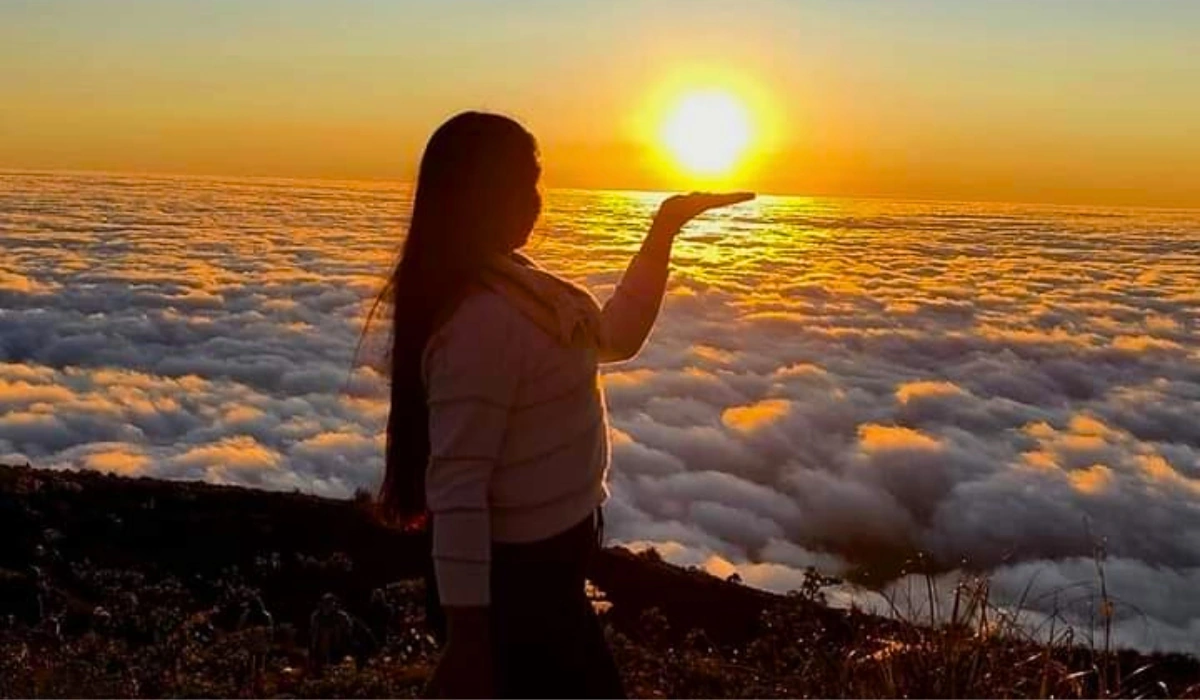
- Witness one of the most spectacular sunrises in the world: the station is located near the Tres Cruces Viewpoint, so if you wake up early, you can enjoy one of the most memorable sunrises of your life.
- Learn firsthand about the research being carried out.
How to Plan a Trip to the Manu National Park Cloud Forest
To experience the highlights of the cloud forest, it is necessary to go beyond the traditional itineraries that combine this destination with Manu National Park. This is because visiting only the cloud forest requires completely different logistics, slightly longer travel times, and tighter schedules to be able to see birds and mammals. Therefore, to explore the cloud forest, we recommend customizing your excursion and avoiding group tours.
With a private excursion, you can:
- Adjust the route to maximize opportunities to see the Andean bear, high-altitude birds, or the mating of birds such as the Andean cock-of-the-rock. Although there are no specific times when this wildlife can be spotted, it is possible to calculate the range of hours and the best location to observe them.
- Have the guidance of a naturalist guide specialized in transition ecosystems and wildlife in the Peruvian Amazon. A specialized guide will help you recognize bird calls, less-traveled but safe trails, and more.
The cloud forest experience is reserved for those who genuinely seek a destination that is completely different from traditional tours. Therefore, it is necessary to book in advance. Request your private excursion with us and create a unique itinerary.
Frequently Asked Questions
1. What is the difference between the cloud forest and the lowland jungle of Manu?
The difference is very simple: the cloud forest is located in the Andean-Amazonian transition, between 2,000 and 3,500 meters above sea level, where the climate is cooler and there is constant mist. In contrast, the lowland jungle is located at a lower elevation, with a humid tropical climate and a higher density of species typical of the Amazon.
2. Is trekking experience necessary to visit the cloud forest?
No, previous trekking experience is not necessary. However, it is recommended to have a good or moderate level of physical fitness. If you wish to explore the cloud forest at a relaxed pace, it is important to book a private tour.
3. What is the best time to visit the Manu Cloud Forest?
The dry season (May to October) offers better visibility and more accessible trails. However, remember that the characteristic mist of the cloud forest can occur throughout the year. In addition, this season coincides with the Andean New Year, so you can combine your visit to the Manu Cloud Forest with a visit to the Tres Cruces Viewpoint.
4. Can the cloud forest be combined with a tour of the lowland jungle of Manu?
Yes. This is the favorite option for many of our travelers. On our various tours from Cusco to Manu, you can combine the cloud forest with the Cultural Zone or Reserved Zone of Manu National Park. Book your ideal adventure here.
5. What are the chances of seeing a spectacled bear in the cloud forest?
There is no exact probability percentage. However, the Manu Cloud Forest is one of the areas with the highest documented activity of Andean bears in South America, thanks to active scientific monitoring programs in the area. Therefore, although the chances are low, it is not impossible.