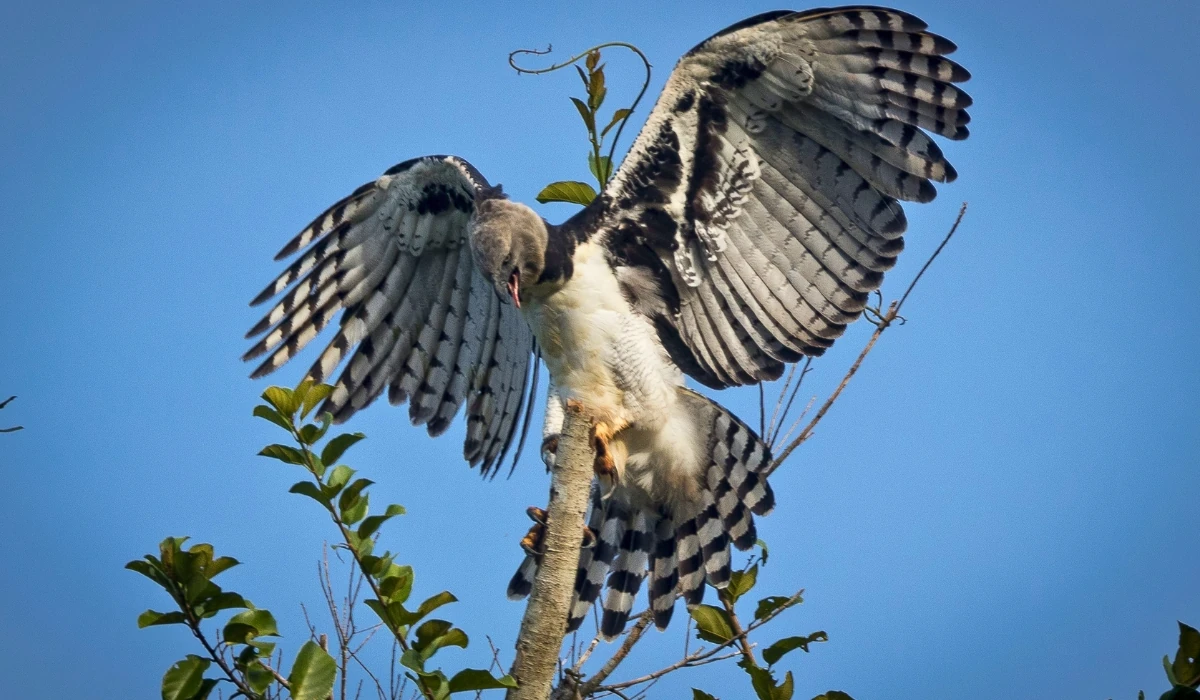
In life, there is one question that all birdwatching enthusiasts ask themselves: What is the rarest bird in the world? This question has not yet been answered. While we still do not know which is the rarest bird in the world, we do know one thing: 1,030 bird species are found in Manu National Park, including the Harpy Eagle (Harpia harpyja), considered the rarest bird in Manu.
Therefore, if you are a traveler planning your vacation and looking to combine it with exceptional birdwatching, Manu National Park undoubtedly offers authentic avian gems. Learn more about them and book a private tour for birdwatching in the Peruvian Amazon.
The Rarest Bird in Manu
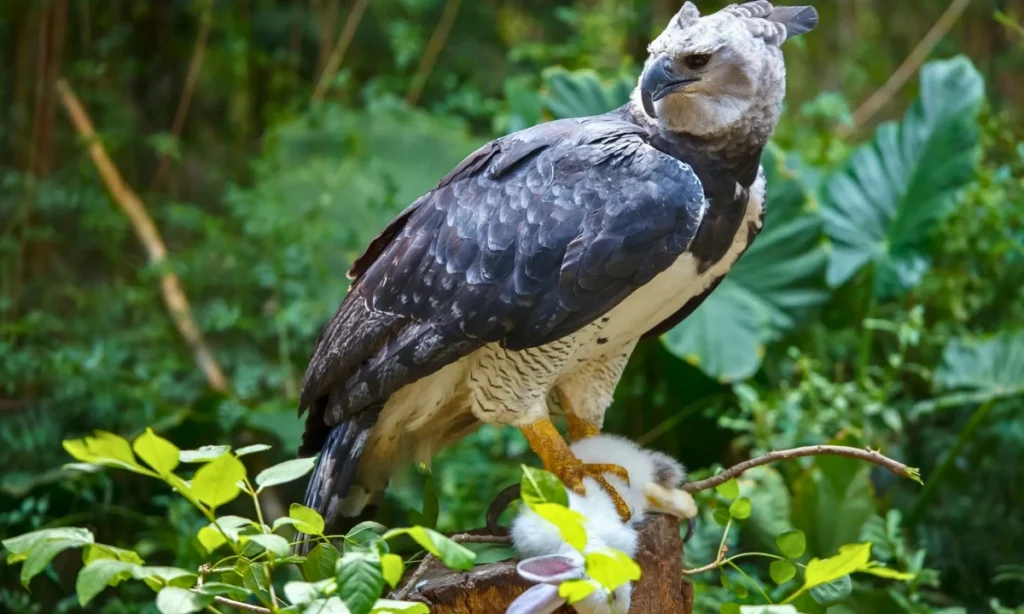
The Harpy Eagle (Harpia harpyja) is considered the rarest bird in Manu because it is a shy species that lives in the forest canopy. In addition, it also has unique characteristics such as:
- Having talons of up to 13 centimeters, which are capable of breaking bones instantly and place it at the top of the rainforest food chain. Compared with the anaconda and jaguar.
- High-altitude diet: it traditionally focuses on hunting sloths and monkeys.
In addition to the Harpy Eagle, there are also avian gems that make the Manu Biosphere an exceptional destination. These birds are the Black Tinamou (Tinamus osgoodi); Rufous-fronted Antthrush (Formicarius rufifrons) and the famous Andean Cock-of-the-rock (Rupicola peruviana).
10 Uncommon Birds in the Manu Biosphere Reserve
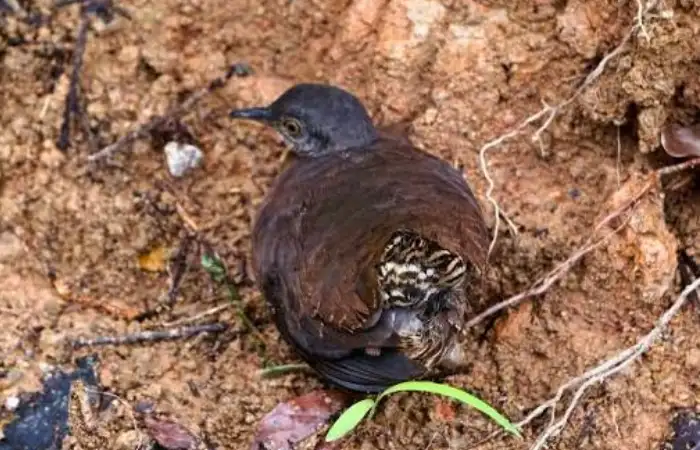
1. Brown Tinamou – Crypturellus obsoletus (Tinamidae): inhabits the understory. It feeds mainly on fruits, guagua seeds, and invertebrates.
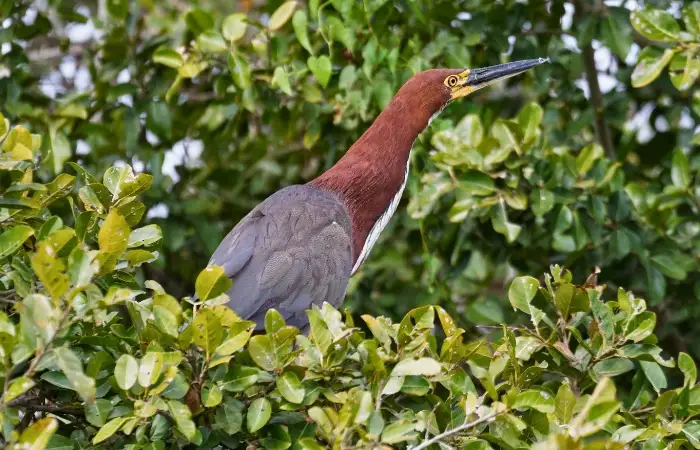
2. Rufescent Tiger Heron – Tigrisoma lineatum (Ardeidae): inhabits rivers and streams with sparse vegetation. It feeds on small fish, crustaceans, and aquatic insects.
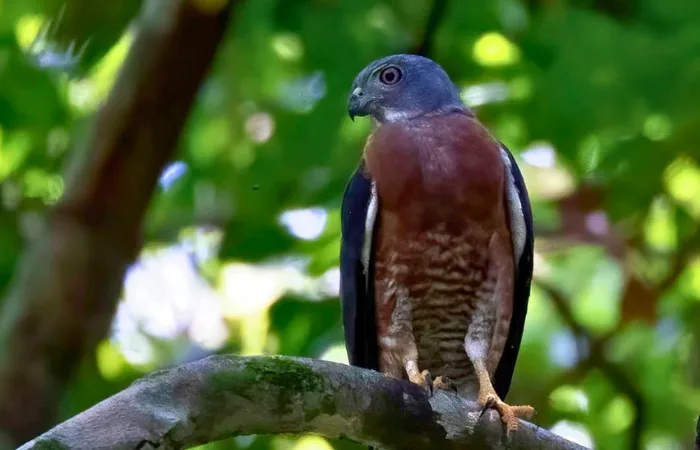
3. Double-toothed Kite – Harpagus bidentatus (Accipitridae): inhabits the middle canopy of humid forests. It feeds mainly by hunting insects.
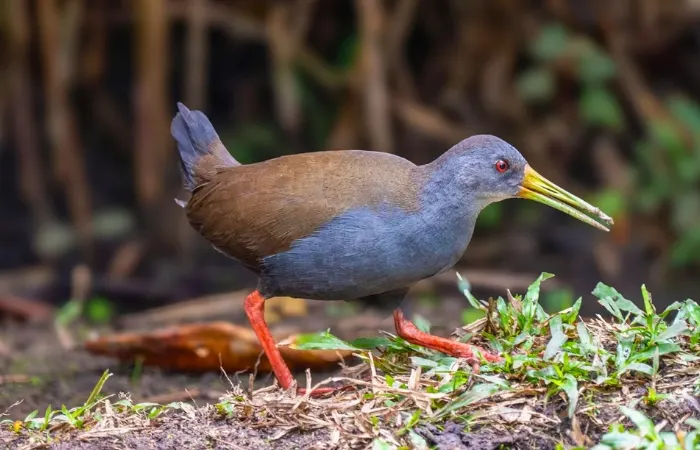
4. Blackish Rail – Pardirallus nigricans (Rallidae): inhabits wetlands, marshy areas with vegetation, and streams with aquatic vegetation. It feeds mainly on small fish, larvae, insects, worms, and plant matter.
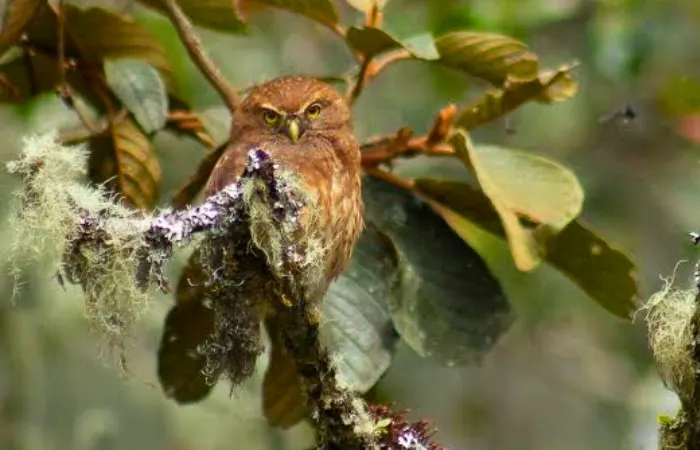
5. Yungas Pygmy-Owl – Glaucidium bolivianum (Strigidae): lives inside the forest or understory. It hunts small prey such as birds, amphibians, reptiles, and some arthropods.
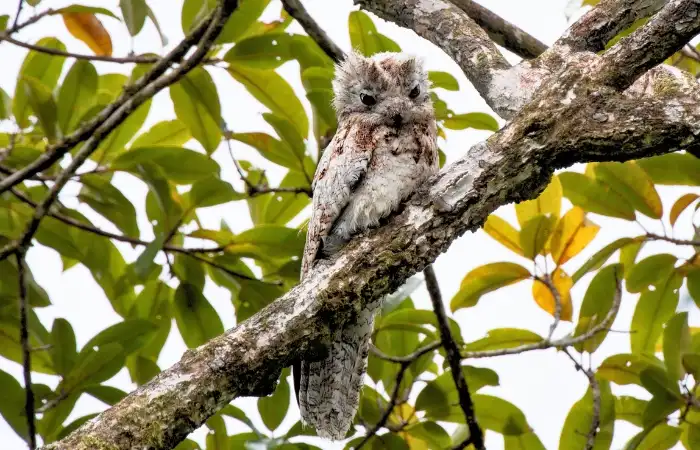
6. Great Potoo – Nyctibius grandis (Nyctibiidae): inhabits the canopy, along riverbanks. It captures its prey in flight.
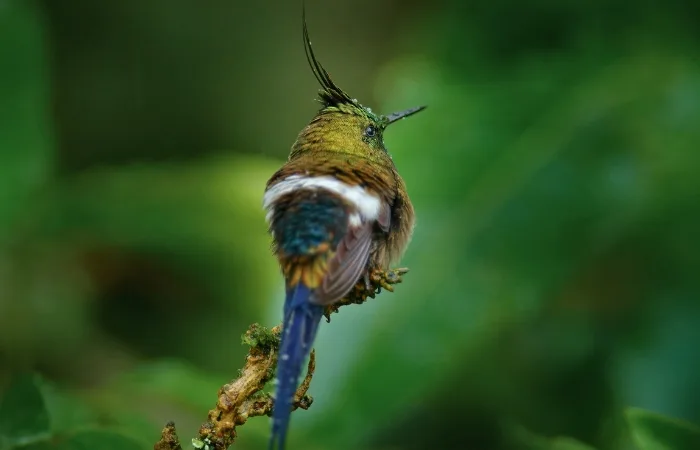
7. Wire-crested Thorntail – Discosura popelairii (Trochilidae): inhabits the forest canopy. It feeds on insects, spiders, and nectar.
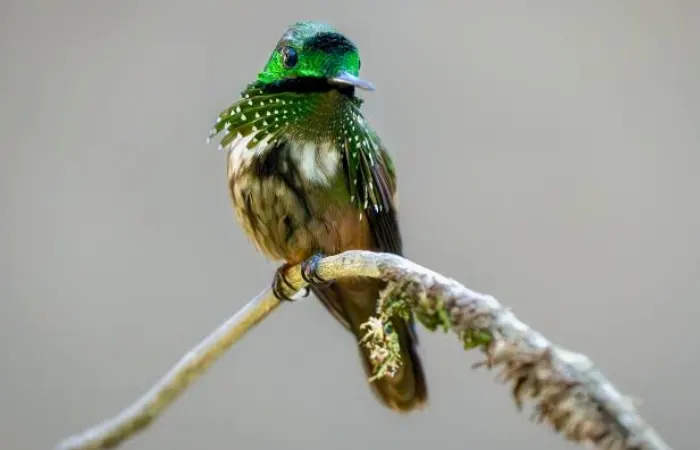
8. Green-Crested Coquette – Lophornis chalybeus (Trochilidae): spends most of its time in the forest canopy. It feeds on nectar from a wide variety of flowers and small insects.
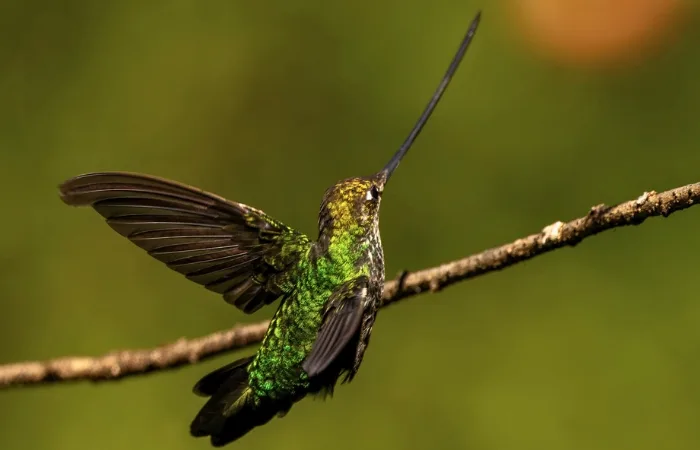
9. Sword-billed Hummingbird – Ensifera ensifera (Trochilidae): is distinguished by having the longest bill in the world. It inhabits shrub vegetation and feeds mainly on flower nectar such as passionflowers.
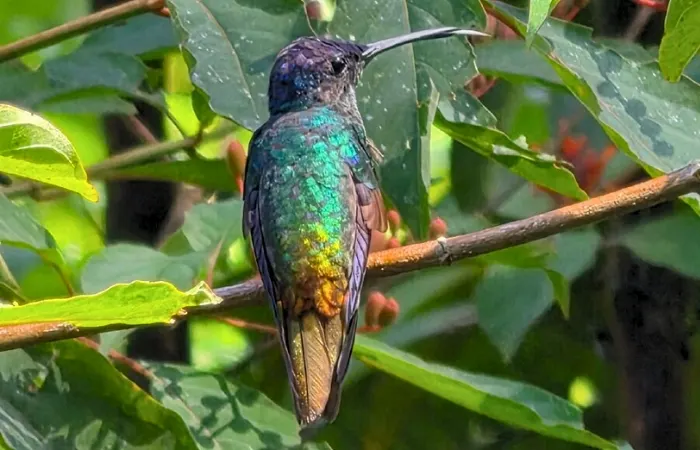
10. Golden-tailed Sapphire – Chrysuronia oenone (Trochilidae): inhabits forest edges and vegetation, feeding on flower nectar.
There are also birds such as the Booted Racket-tail, Crested Quetzal, Andean Motmot, and more that are difficult to find at first sight. Therefore, if you want to observe them calmly, it is necessary to book a private tour and travel accompanied by a naturalist guide or local guide.
Why Choose a Private Tour Instead of a Group Tour?
At Peru Jungle Trips, we recommend booking a private tour instead of a group tour because activities such as birdwatching in Manu require more time, logistics, and guide specialization.
Group tours have pre-established itineraries and rarely give you the opportunity to wait at an observation point for several hours to find a specific bird or take a detour to a recently reported active location. Consequently, a group tour does not allow for proper birdwatching for those who prioritize this activity during their trip to Manu National Park.
Some of the benefits of booking a private tour are:
- Scheduled departure times to coincide with the activity peaks of each species.
- Specialized bilingual guides with specific knowledge about birds, their territories, and the best observation points.
- Small or even private groups.
- Flexible itineraries.
On our private tours to Manu, we offer itineraries specialized in birdwatching. With planning, logistics, and luck, you may be able to observe the rarest bird in Manu. Request a quote for your package today.

Tips for Designing a Private Excursion to Manu
Define Which Species Is Your Priority
If your priority is to see the Harpy Eagle, the itinerary changes completely compared to, for example, if you want to see the Andean Cock-of-the-rock or the Golden-tailed Sapphire, as they live in different habitats. Therefore, it is essential that you first define the species that are your priority.
Choose the Right Duration
Manu has unique biodiversity; therefore, access to this area is not easy and requires various types of river and land transportation. Consequently, in 2 days, it is unlikely that you will be able to see uncommon birds in Manu.
- If your goal is to see the rarest birds in Manu, we recommend a minimum of 5 days to maximize your chances of seeing elusive birds.
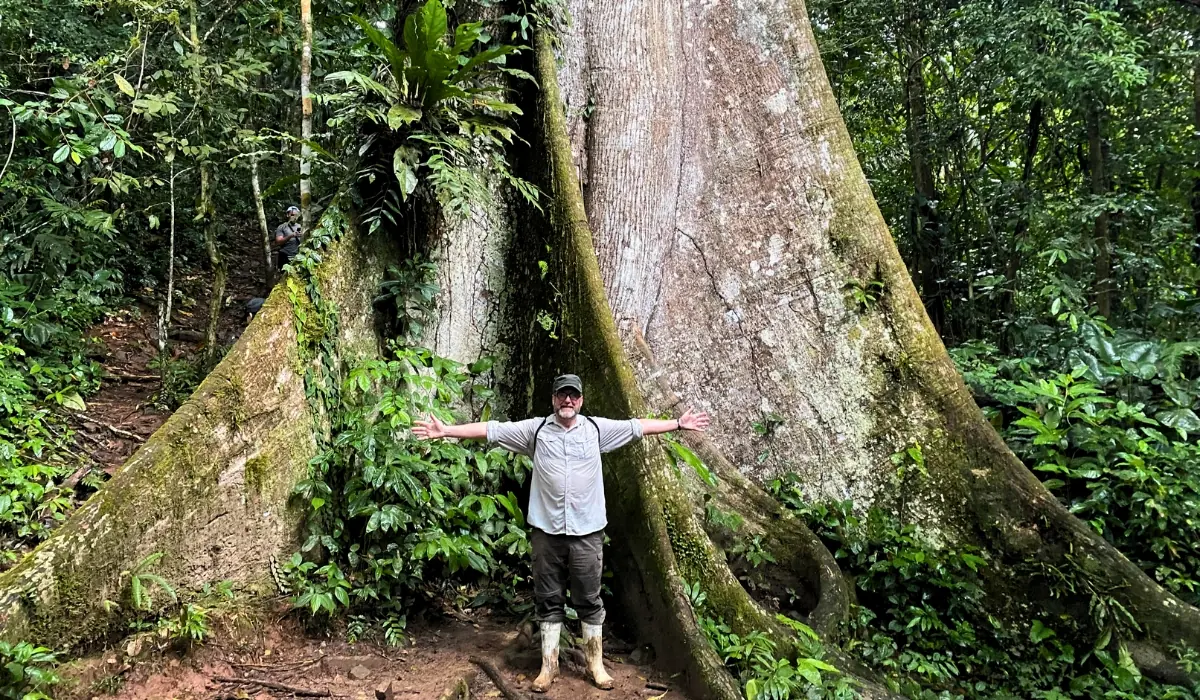
Request a Certified Professional Guide
There are different types of guides in Manu, from those who have the necessary certifications to work in general tourism to specialized guides. Before booking a private tour, ask that your guide have:
- Official tourism guide license: issued by Dircetur or Mincetur.
- Ornithology certifications: these certifications should ensure that the guide has completed specialized courses or diplomas in areas such as biology, ornithology, ecology, among others, taught by highly prestigious universities at the national level.
- Membership in official guide associations.
- Years of experience: the guide should have a verifiable profile and experience guiding birdwatching routes.
- Professional equipment: a guide should have personal equipment such as binoculars and terrestrial telescopes with tripods to ensure a good birdwatching experience.
- Ability to recognize birds by their calls; this is undoubtedly one of the most important characteristics of a guide.
Our team of guides also includes birdwatching specialists. However, we only work with them on private expeditions or with small groups, so we have limited availability. Check availability with one of our travel advisors.
Experience the Birdwatching Adventure
Manu National Park has two main climatic seasons, the dry season and the rainy season. Each offers different birdwatching opportunities. If your goal is to maximize your chances of seeing the rarest bird in Manu, contact us and let’s design a customized itinerary together.
Request a quote for your private excursion with us.

Frequently Asked Questions
What is really the rarest bird in Manu?
The Harpy Eagle is considered the rarest species in Manu because it is quite elusive and difficult to spot even in the areas where it lives. Endemic species such as the Rufous-fronted Antthrush and Black Tinamou are also considered extremely rare due to their limited geographic distribution.
What time of year is it most likely to see rare birds in Manu?
The dry season (May to October) usually offers better visibility and trail accessibility, although some species, such as the Andean Cock-of-the-rock at its courtship lek, can be observed throughout the year.
Do I need previous birdwatching experience to take this type of excursion?
No. You can take a birdwatching tour without previous experience. However, it is crucial to travel with a specialized ornithologist guide to maximize your chances of sightings.
How many days are recommended for a private excursion focused on rare birds?
We recommend a minimum of 5 to 8 days.