

Tours in the Peruvian Amazon will take you to one of the richest and most biodiverse ecosystems on the planet. In this vast tropical region, which covers more than half of Peru, thousands of species of flora and fauna are concentrated. Here you will find everything from gigantic trees and exotic orchids to remarkable mammals, colorful birds, and unique fish. More than 10% of the world’s biodiversity lives in the Amazon, with more than 1,300 bird species, 500 mammals, and thousands of insects. The Peruvian Amazon is home to approximately 20,000 plant species and more than 1,800 freshwater fish species, a natural paradise where every excursion reveals something new.
Reasons to Take Tours in the Peruvian Amazon
- Nature in its purest form: Hikes through the tropical rainforest and boat rides along rivers that connect to unique landscapes.
- Variety of wildlife: It is possible to see pink river dolphins, macaws, jaguars, spectacled bears, monkeys, and other unique animals in their natural habitat.
- World-class birdwatching: The Amazon region is home to thousands of bird species, including several species of macaws, parakeets, toucans, Andean cock-of-the-rock, harpy eagles, Hoatzin or Shansho, Jabiru, and other bird species. Birdwatching enthusiasts will find their paradise here.
- Culture and adventure: In addition to wildlife, you will meet local native communities, learn about their ancestral traditions, and enjoy an authentic cultural experience.
- Safe and accessible environment: With expert guides in responsible tourism, the tours guarantee safety for all travelers.
- Well-being and relaxation: Getting away from the urban routine and breathing the pure air of the jungle helps recharge your energy and relax your mind.
The combination of all these attractions makes tours in the Peruvian Amazon unforgettable experiences.

Best Destinations for Tours in the Peruvian Amazon
1. Tambopata National Reserve (Madre de Dios)
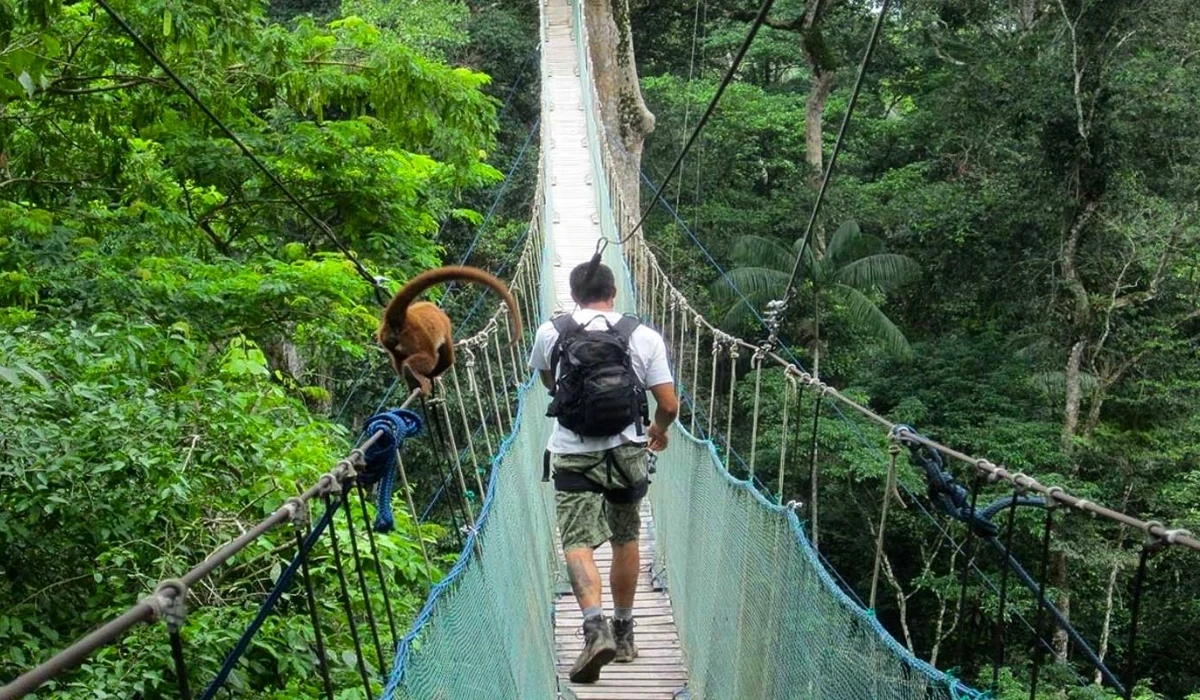
The Tambopata National Reserve, near Puerto Maldonado, is one of the most famous destinations in the Peruvian Amazon. Here you will find the well-known macaw clay licks, clay banks where thousands of parrots and macaws gather at dawn. Tambopata is home to hundreds of bird and mammal species, including jaguars, caimans, and giant otters. During guided excursions, you can observe capybaras resting along the riverbanks, howler monkeys, and many other species. Jungle trails lead you to viewpoints overlooking ancient trees and natural lagoons (cochas) full of wildlife.
2. Manu National Park (Cusco / Madre de Dios)
The Manu National Park is a biodiversity paradise between the Andes and the Amazon, designated as a UNESCO World Heritage Site. This park stretches from cloud forests in the mountains to lowland Amazon rainforests. It protects more than 1,000 bird species and hundreds of unique mammals. In Manu, it is possible to see Andean cock-of-the-rocks (striking birds with bright orange plumage), tapirs, giant otters, and capuchin monkeys. Expeditions often include boat trips along dark rivers and nighttime jungle hikes, where you can hear the howls of monkeys and the songs of exotic birds.

3. Pacaya Samiria National Reserve (Loreto)
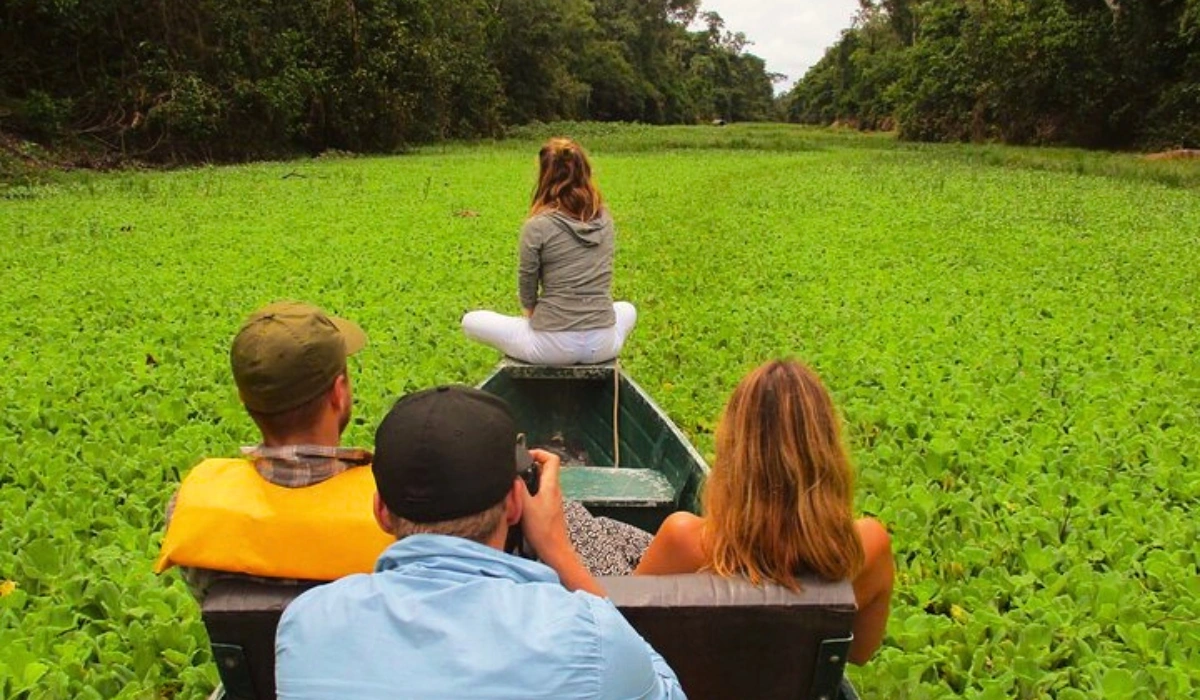
The Pacaya Samiria National Reserve is the largest flooded protected area in Peru, located near Iquitos. Here, the landscape shifts between dark rivers and green lagoons. Pacaya Samiria stands out for its aquatic wildlife: you can spot pink river dolphins, manatees, and giant fish such as the paiche. There are also black caimans, Amazonian turtles, and thousands of birds in the riverside forests. Guides will take you on canoe excursions through peaceful channels, where the trees create the incredible Amazonian landscape. In addition, you will observe anacondas and woolly monkeys in the treetops.
4. Allpahuayo Mishana National Reserve (Loreto)
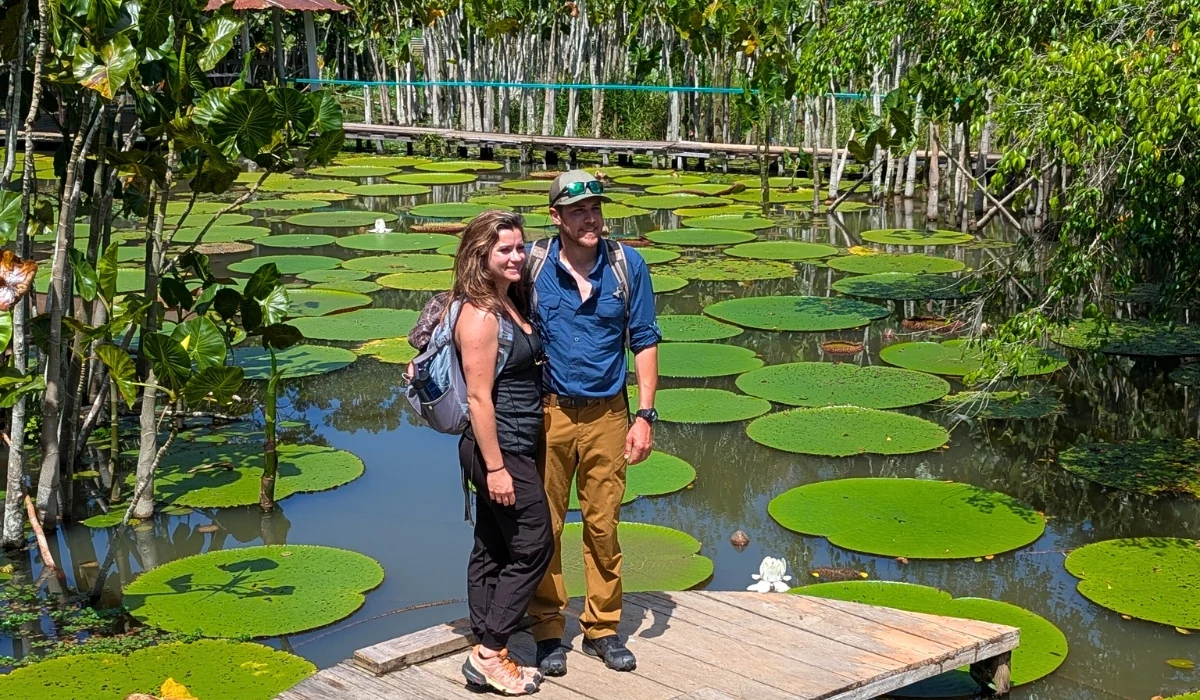
Near Iquitos, the Allpahuayo Mishana National Reserve protects unique white-sand forests. Although it is small, it has rich biodiversity, especially of birds. More than 500 bird species inhabit this area, including the mysterious Iquitos gnatcatcher. In this reserve, it is common to see toucans, tanagers, and endemic birds along short trails and low observation platforms. You may also encounter colorful poison frogs and small titi monkeys. Wooden walkways make it easy to explore the swampy terrain and reveal the fascinating contrasts of the white-sand forest.
5. Amazon River and Tributaries from Iquitos (Loreto)
Iquitos, the largest city in the Peruvian Amazon, is the starting point to explore the mighty Amazon River and its tributaries. From Iquitos, you will depart on cruises and boat tours to the Pacaya Samiria Reserve or upstream along the Marañón and Ucayali rivers. During these journeys, you will navigate alongside riverside communities and flooded forests while enjoying extraordinary sunsets over the water. Along the way, you may see pink river dolphins, giant otters (river wolves), and capybaras at dusk. Small floating islands and emerging sandy beaches complete this unique river landscape.
The combination of all these must-visit destinations demonstrates why tours in the Peruvian Amazon are unique adventures.
Activities During Tours in the Peruvian Amazon
- Birdwatching: Guided dawn tours through the jungle or around lagoons to observe toucans, macaws, and kingfishers.
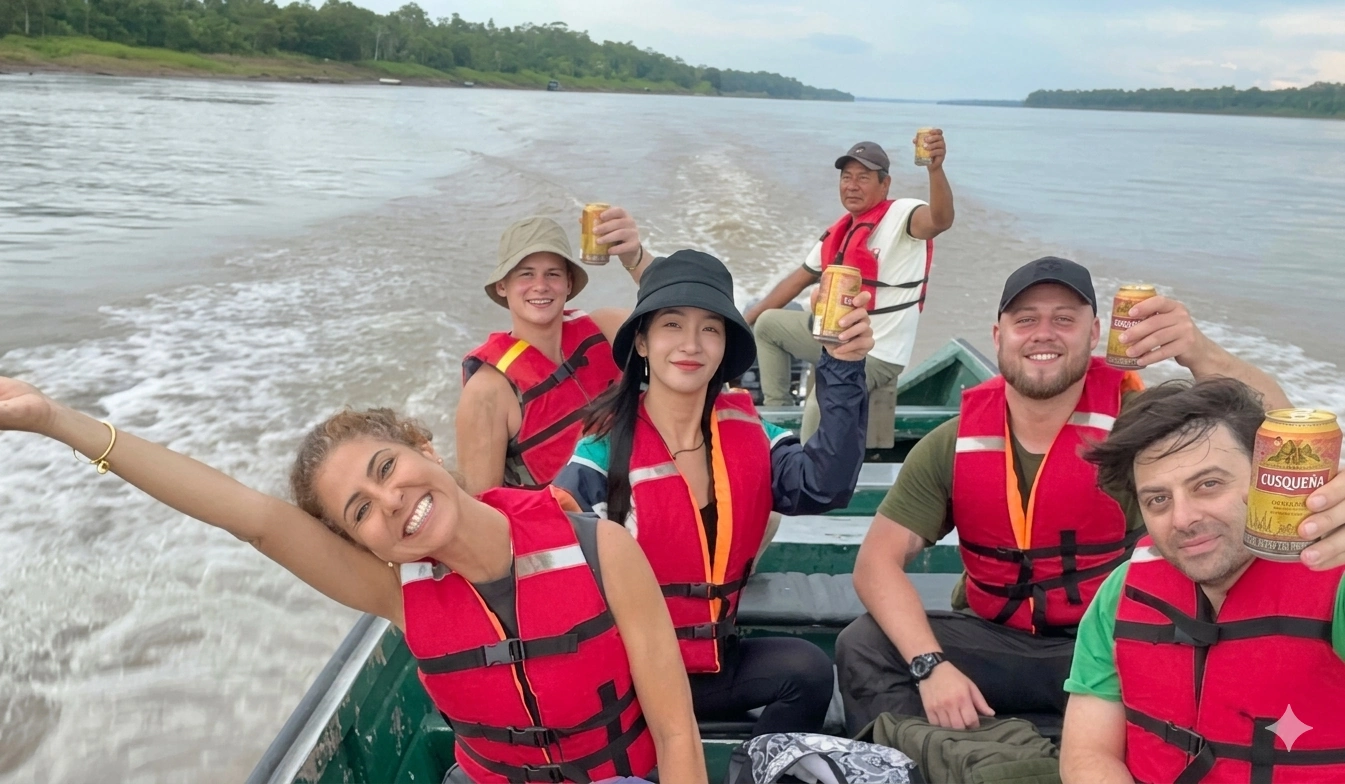
- River navigation: Boat or canoe rides along rivers and lagoons, ideal for spotting caimans, monkeys, and otters along the riverbanks.
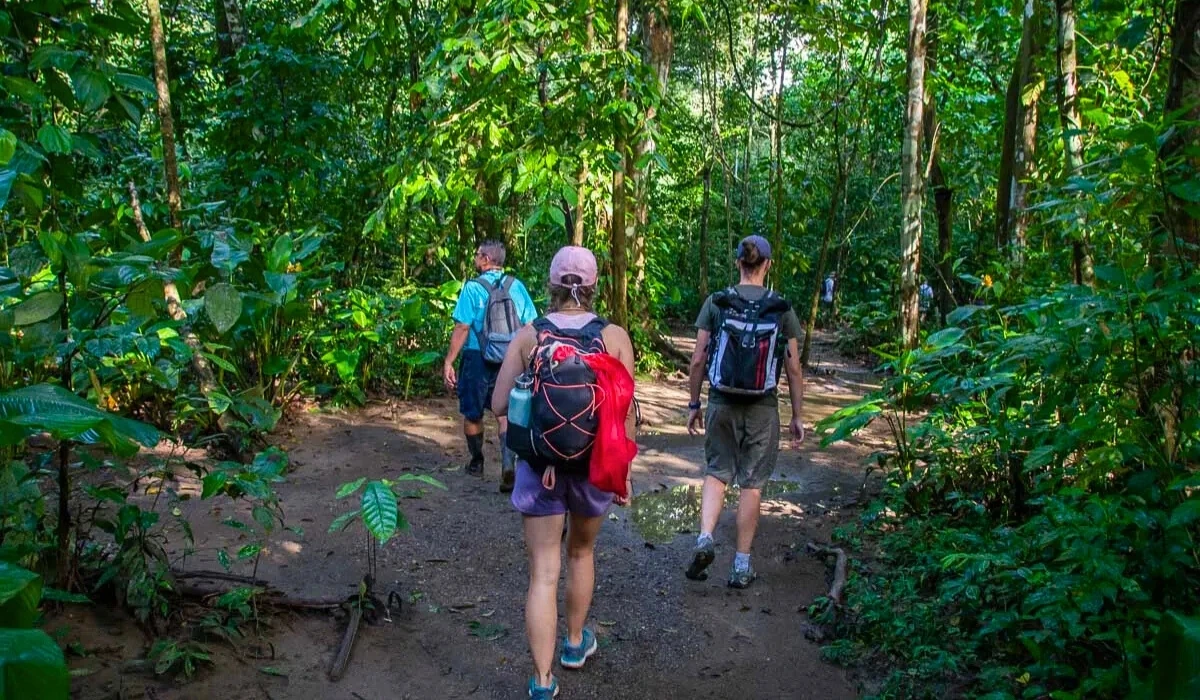
- Jungle hikes: Daytime and nighttime trekking with expert guides, discovering orchids, poison frogs, and perhaps the glowing eyes of a distant jaguar.
- Visits to animal clay licks: Observation from safe towers of the famous clay licks where macaws, parrots, and even sloths feed.
- Cultural encounters: Visits to native communities to learn about their traditions, including dances and handicrafts, and to taste typical Amazonian cuisine.
- Sport fishing: A recreational activity to catch giant species such as paiche or sábalo, with equipment provided by the lodges.
All these activities further enrich tours in the Peruvian Amazon, turning them into complete adventures.
Peruvian Amazon Wildlife: Travel Guide
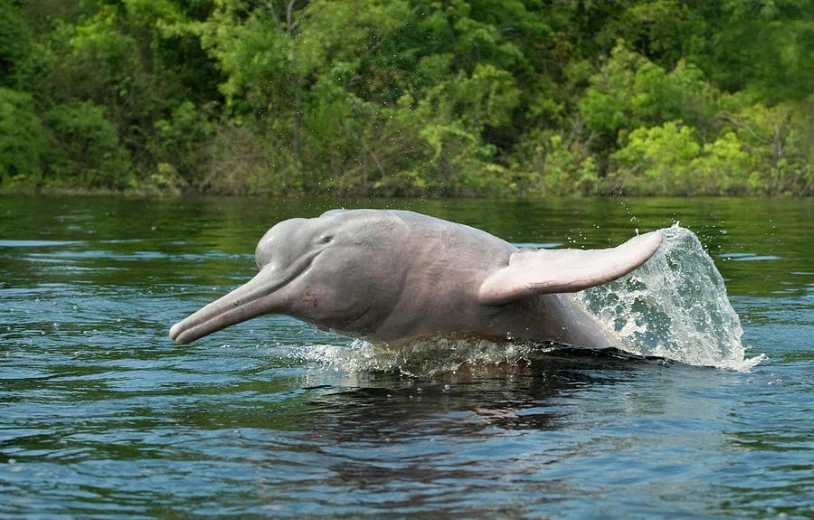
- Pink River Dolphin (Inia geoffrensis): A unique aquatic mammal that lives in the Amazon River and its tributaries, known for its pink coloration when surfacing for air. It is often seen curiously jumping near canoes.
- Macaws and Parrots: Large and colorful birds, such as red and yellow macaws, that fly in pairs or groups. Their calls are deafening at dawn, and they often nest in colossal trees.
- Amazonian Monkeys: Various species of monkeys inhabit the rainforest, from noisy howler monkeys to tiny titi monkeys. Capuchins and squirrel monkeys are common, and guides often point out entire families swinging through the branches.
- Jaguar (Panthera onca): The largest feline in the Americas, with a spotted coat. Although sightings are rare because it is very elusive, its presence can be detected through tracks along riverbanks and remains of prey. It is considered the king of the jungle.
- Caimans and Anacondas: The rivers are home to black and spectacled caimans, often seen basking along the shores. Giant snakes such as the green anaconda also inhabit the region, although they are more elusive and remain hidden in riverside vegetation.
- Tapir or Sachavaca (Tapirus terrestris): A large mammal resembling a pig with an elongated snout, slowly moving through the undergrowth. It is the largest land mammal in the Amazon, and spotting one is a sign of a well-preserved forest.
Best Time to Take Tours in the Peruvian Amazon
Dry Season (May – October)
- Advantages: Less rainfall keeps trails firm and skies clearer. Rivers recede, creating white-sand beaches where visitors can relax or swim. Animals gather along riverbanks to drink, making them easier to spot. There are fewer mosquitoes, and the weather is more stable.
- Disadvantages: Temperatures are higher (up to 95°F / 35°C), and the forest can become very dry. As rivers drop significantly, some channels become unnavigable, limiting access to very remote areas. Bringing plenty of water and sun protection is recommended.
Rainy Season (November – April)
- Advantages: The rainforest reaches its greenest and most vibrant state, with hundreds of waterfalls flowing at full strength. Rivers and lagoons rise, allowing navigation through interior channels of the flooded forest. It is the best time to see taricaya turtles hatch and to observe migratory birds. The landscapes are spectacular with reflections on the water.
- Disadvantages: Rain is frequent, and walking through muddy terrain can be more difficult. Mosquito populations increase, making rain gear essential. Many excursions are conducted more by boat than on foot, which may not appeal to everyone. Weather conditions can change quickly, so carrying extra dry clothing is recommended.
Choosing the best time depends on your priorities: the dry season is ideal for long hikes and river beaches, while the rainy season offers flooded rainforest landscapes and more visible aquatic life.

Essential Equipment for Tours in the Peruvian Amazon
- Insect repellent and long-sleeved clothing: Essential for protection against mosquitoes and other rainforest insects.
- Trekking boots or closed-toe shoes: Preferably waterproof, as trails can be muddy or flooded.
- Rain jacket or poncho: Rain in the rainforest can be intense and unpredictable even outside the wet season, so it is best to be prepared.
- Lightweight clothing in neutral colors: Thin cotton shirts and pants; avoid bright colors that may attract insects.
- Sunscreen and a cap/hat: The tropical sun is very strong in the rainforest and can reflect off the river surface.
- Reusable water bottle: Staying well hydrated with clean water is vital (lodges usually provide purified water).
- Binoculars and a camera: To make the most of wildlife observation and capture memorable photos without disturbing the animals.
- Flashlight or headlamp: Useful for nighttime jungle walks and camping.
- Personal first-aid kit: Basic medications such as pain relievers, anti-diarrheal medicine, bandages, and an up-to-date yellow fever vaccination.
This basic list covers the essentials; however, nothing replaces carefully planning tours in the Peruvian Amazon with local operators who provide additional support.
Frequently Asked Questions About Tours in the Peruvian Amazon
1. Where do tours to the Peruvian Amazon begin?
The main gateways to the Peruvian Amazon are Iquitos and Puerto Maldonado. From these cities, excursions depart to destinations such as the Pacaya Samiria National Reserve, Tambopata National Reserve, and Manu National Park.
2. What is usually included in tours to the Peruvian Amazon?
Most tours to the Peruvian Amazon include lodge accommodations, full meals, transportation, a professional guide, and scheduled activities. They also typically cover entrance fees to protected areas and the necessary travel logistics.
3. Can you travel with children or without previous rainforest experience?
Yes, many excursions are designed for families and travelers with no previous rainforest experience. It is only important to follow the guide’s recommendations, stay hydrated, and choose a tour that matches the age and physical condition of the participants.
To enjoy the best tours in the Peruvian Amazon, at Peru Jungle Trips we offer personalized experiences designed for every traveler. Our experts create unique itineraries that combine adventure, comfort, and respect for nature. Contact us and start planning your next trip to the Peruvian rainforest.
