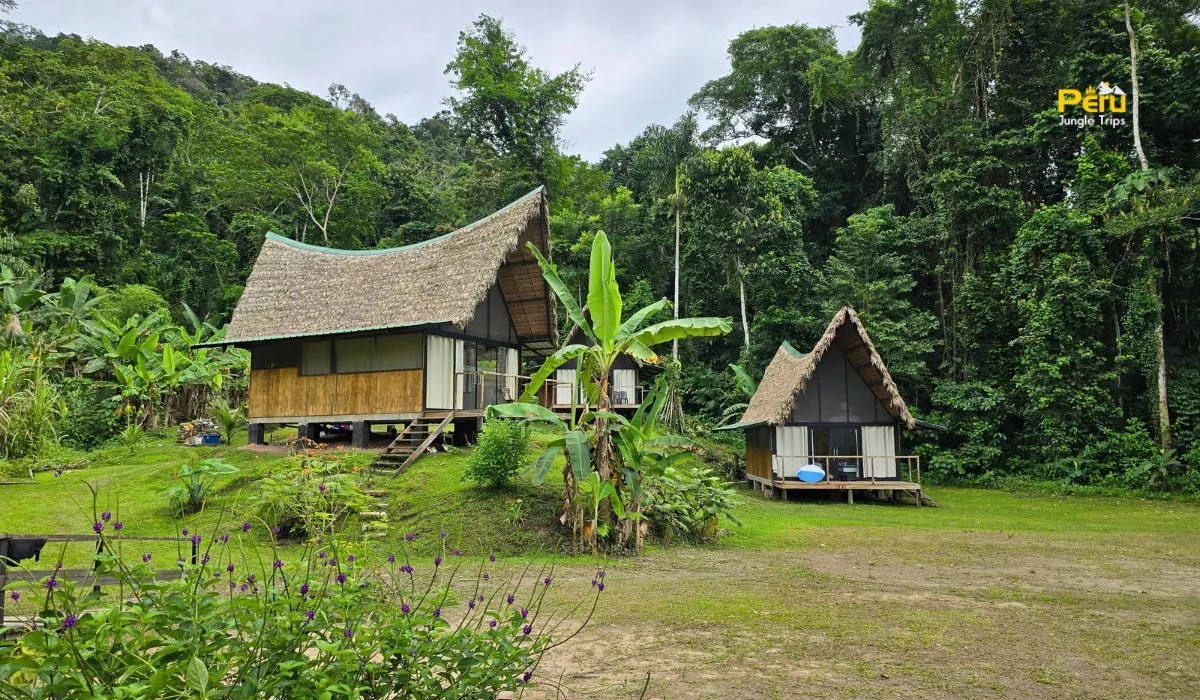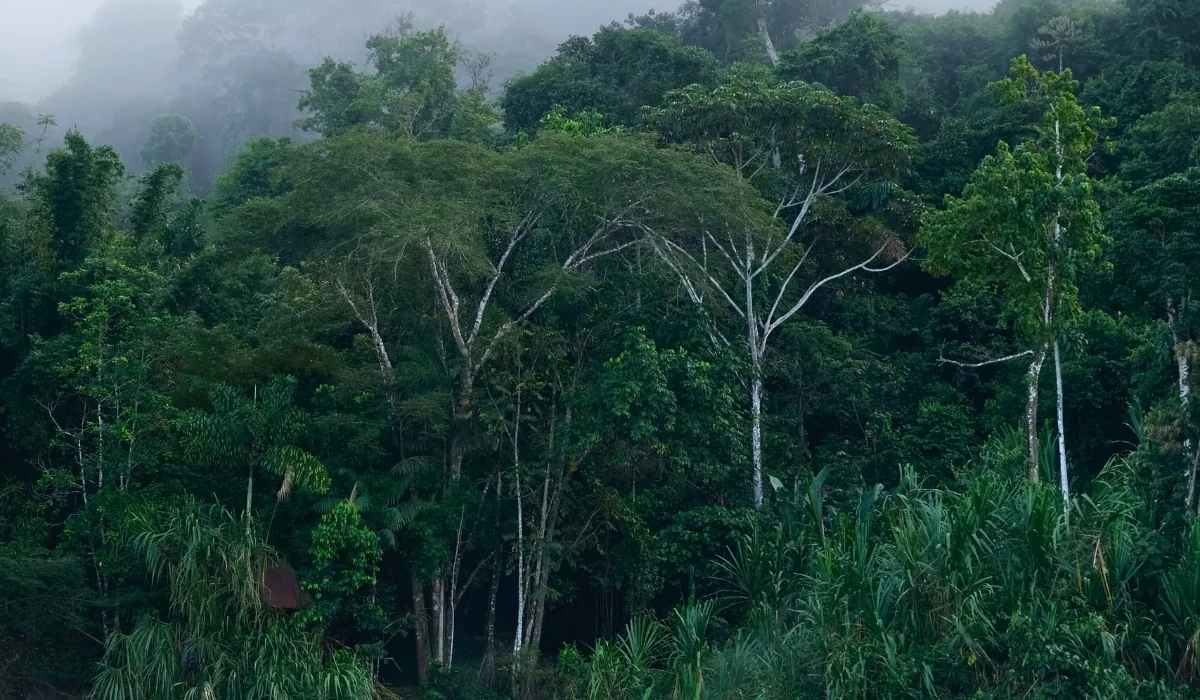
If you are planning your next trip to Manu National Park or the Peruvian Amazon, you may be deciding which area to visit: the Cultural Zone, Reserved Zone, or Core Zone. However, we regret to inform you that you will not be able to include the Core Zone in your itinerary. This is because there are places in the Peruvian Amazon that have not yet been opened to the public, intangible areas where the purest biodiversity thrives. The Manu Core Zone is one of them.
Here, we explain what this zone is, why it is important, why it is worth protecting, and which alternative areas you can include in your itinerary.
What Is the Manu Core Zone?
Manu National Park is divided into three management zones, each requiring different permits from the Peruvian government and being subject to different protection regulations. The Manu Core Zone is the heart of Manu National Park and its most biodiverse and important area because, in addition to its flora and fauna, it is also home to populations living in voluntary isolation.
- The Core Zone, or Intangible Zone, was established on May 29, 1973.
- It covers an area of 15,328 km².
- It is legally owned by the Peruvian state.
- The Cocha Cashu Biological Station is located in this area.
- The semi-nomadic Mashco Piro people live here.
- Family groups and clans of the Arawak and Pano peoples also live in this zone.
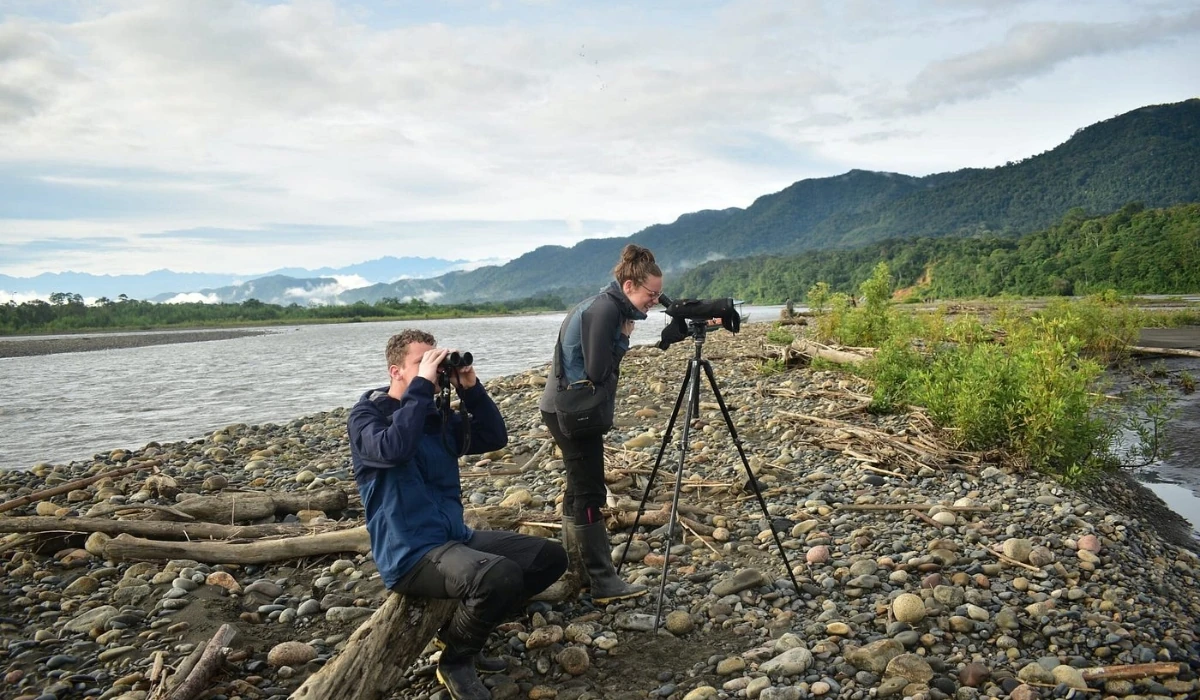
Remember, the Manu Core Zone cannot be visited or used for tourism, so it is impossible to add it to your travel itinerary. However, you can visit the Cultural Zone or the Reserved Zone.
| Zone | Access | Purpose |
| Core Zone | Tourism is prohibited. Access is restricted to authorized researchers, park rangers, or official Peruvian state personnel. | Strict conservation and protection of Indigenous peoples living in isolation. |
| Reserved Zone | Controlled tourism. Entry is permitted only with authorized operators, official tour guides, or scientific researchers. | An immersive experience in pristine nature under regulated conditions. |
| Cultural Zone | Open and experiential tourism without special permits. | Local communities and Matsigenka people; buffer zone. |
Which Parts of Manu Can I Visit?
You will love this news! You can visit the Cultural Zone and the Reserved Zone. At Peru Jungle Trips, we operate in both areas, so our tours allow you to feel the energy of the rainforest and connect with nature on a single trip.
Manu Cultural Zone
- The area closest to Cusco, perfect for combining with a tour to Machu Picchu.
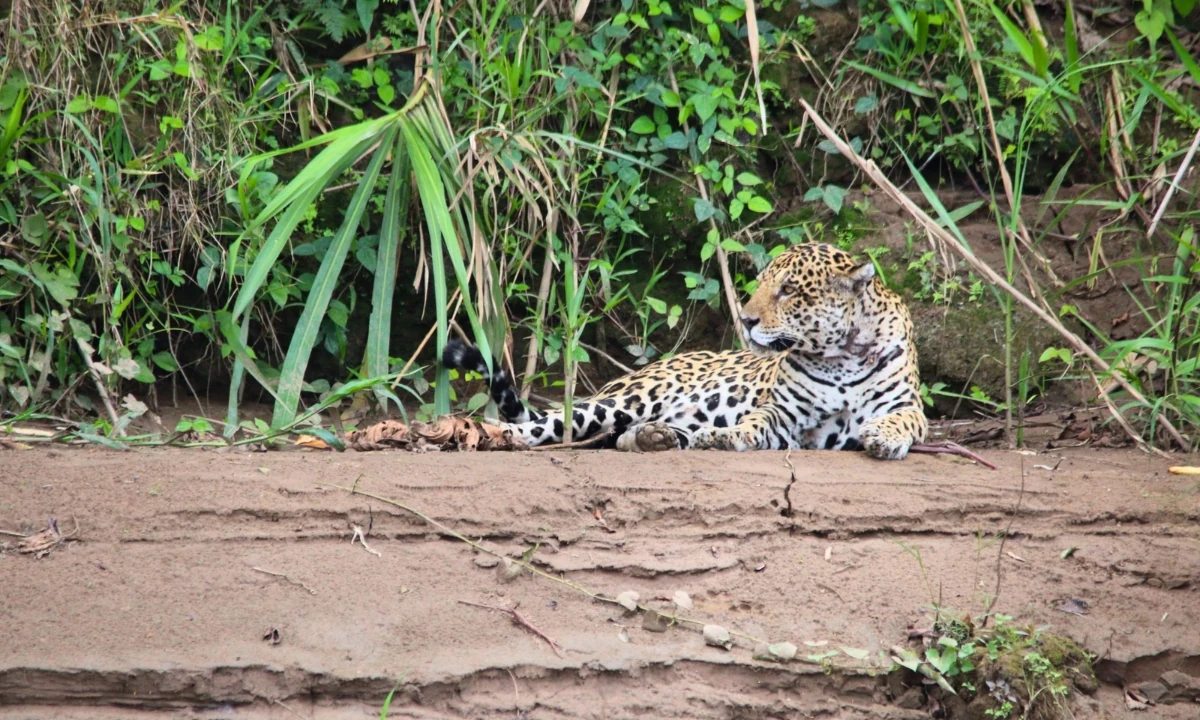
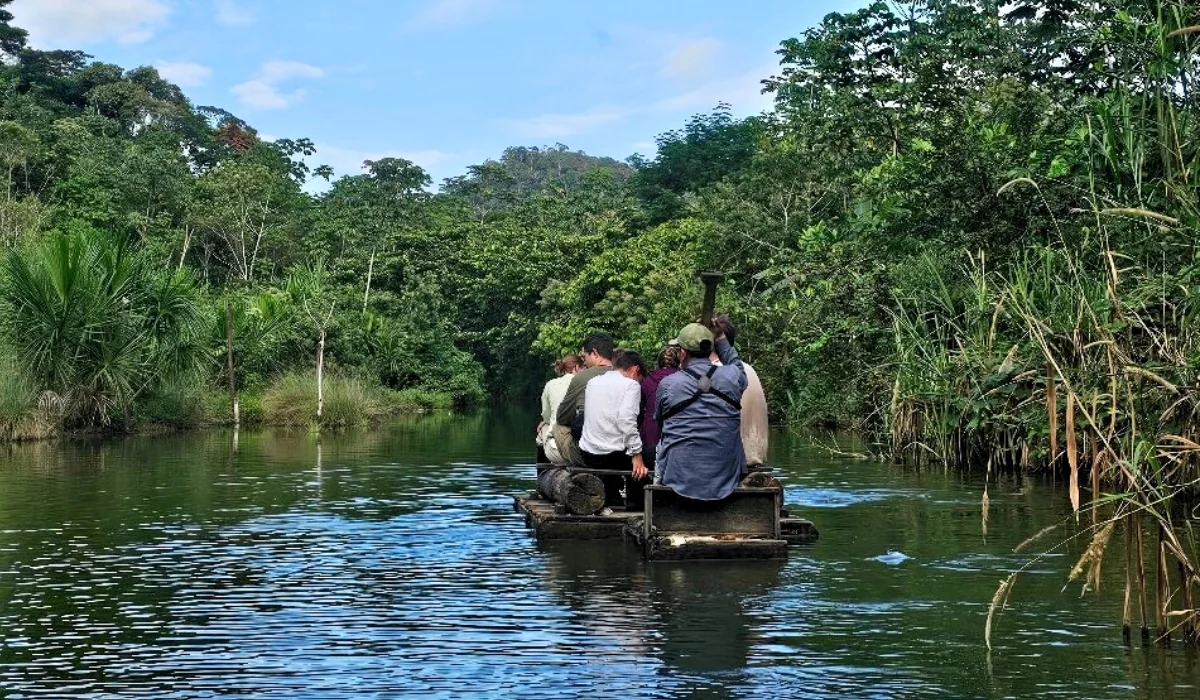
- It offers a solid introduction to the Peruvian rainforest, allowing you to observe its flora and fauna and combine your visit with activities such as hiking, river navigation, and birdwatching.
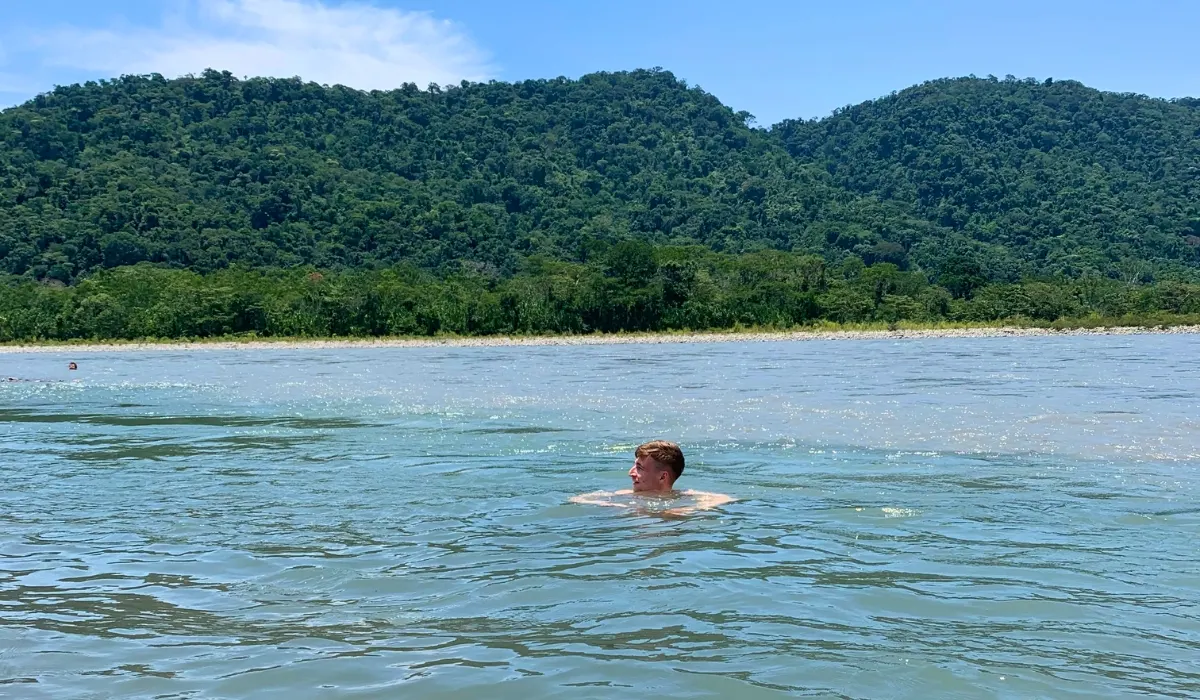
Manu Reserved Zone
- It allows for a deeper immersion in the Amazon rainforest.
- Navigate the Manu River and visit Cocha Salvador, home to giant river otters.
- Visit the parrot and macaw clay lick at Blanquillo.
- Spend time with Matsigenka families and learn more about their millennia-old culture.
- Explore rarely visited trails.
Not sure which one to choose? Tell us how many days you have available and what your priorities are, and we will put together your itinerary. Get personalized advice here.
Indigenous Peoples Living in Manu
Matsigenka
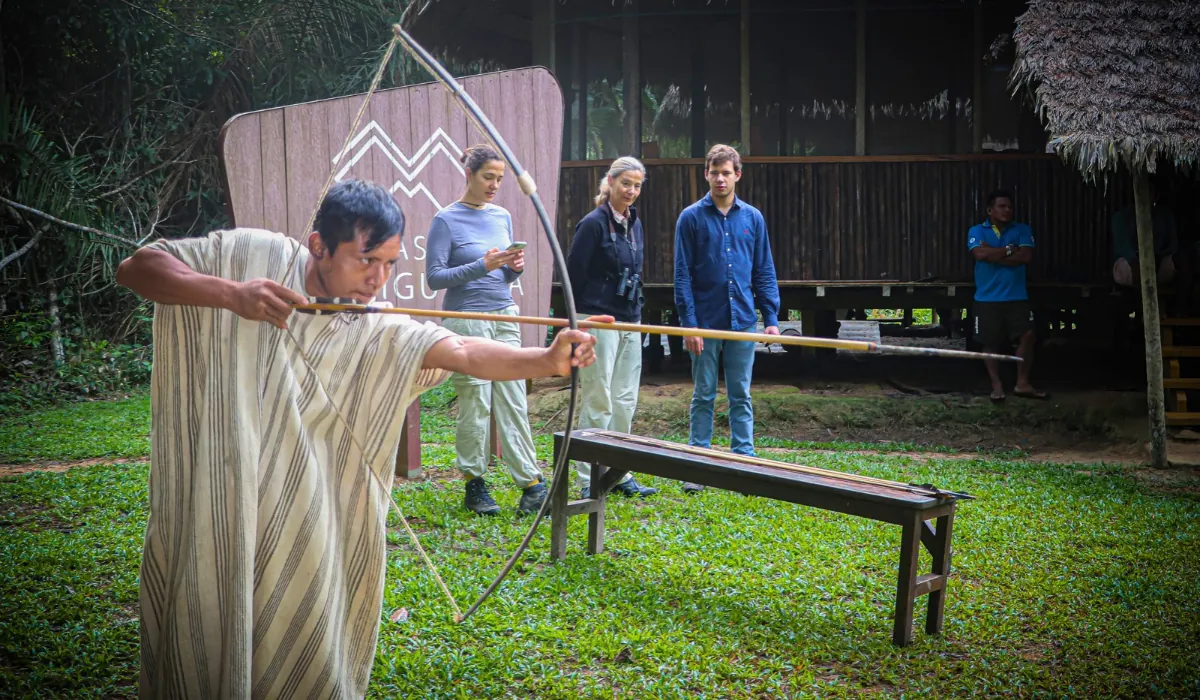
They are settled along the right bank of the Manu River, and their homes can be reached by river transport. They use natural resources for traditional consumption and in their daily lives.
On our tours to Manu, you will have the opportunity to meet some Matsigenka families and learn from them about their culture, customs, and medicinal knowledge. You can also stay at their eco-lodge, “Casa Matsigenka.” Request more information via WhatsApp.
Tsirerishi
It is one of the communities with the fewest residents and one of the closest to the Cocha Cashu Biological Station (EBCC). Its members live upstream along the Manu River, and it is recognized as an independent community.
Responsible Tourism in Manu
Travel is not only about experiencing new cultures and connecting with nature, but also about caring for and protecting it. Having a closed zone in Manu helps protect biodiversity worldwide and contributes to the well-being of the planet. Here is how you can travel responsibly:
- Prioritize traveling in small groups, as this reduces soil erosion along the trails.
- Bring a reusable water bottle. The less waste you generate, the better it is for the environment!
- Choose eco-lodges for your accommodation. These lodges are built to respect the surrounding environment and use local materials.
- Travel with local companies that work directly with local communities. This way, your trip can generate more direct employment opportunities.
- Respect the flora and fauna, and do not attempt to hunt or buy endemic species.
- Book with companies that have environmental conservation projects.
For this reason, visiting Manu with an authorized travel agency or tour operator is a responsible way to discover a new place. At Peru Jungle Trips, we operate in Manu National Park and hold all the permits required by the Peruvian government. Contact us and request a quote for your trip to Manu.
Frequently Asked Questions
Can the Manu Core Zone Be Visited With a Special Permit?
No. Access to the Core Zone is restricted to scientific researchers, park rangers, or Peruvian state personnel. There are no special permits for tourists or similar visitors. If a travel agency or tour operator offers you this option, you risk becoming a victim of a scam.
Why Does the Core Zone Protect Indigenous Peoples Living in Isolation?
Over the centuries, Indigenous peoples have chosen to live deep in the rainforest to protect themselves from colonization, the spread of diseases, slavery during the rubber boom, and illegal activities that currently devastate the Amazon. As a result, they live in various areas of the Core Zone. Because these areas are protected, the entry of people who might carry diseases that put Indigenous peoples living in isolation at risk is prevented.
What Is the Difference Between the Reserved Zone and the Core Zone?
- The Reserved Zone allows controlled tourism with authorized operators and is where tours to Manu take place.
- The Core Zone is completely closed to all visitors.
Can I See Indigenous Peoples Living in Isolation During My Tour to Manu?
No. Indigenous peoples living in isolation are not a tourist attraction, and no responsible operator or travel agency should offer such an experience.