

The Manu National Park is a unique destination for nature lovers. Declared a UNESCO Natural World Heritage Site, this Amazonian sanctuary stretches between the Andes and the rainforest, and is considered one of the most biodiverse places on the planet. With more than 1,030 bird species and over 200 mammal species, Manu amazes visitors on every route. Here you will discover what to do in Manu National Park, from incredible landscapes to unique experiences with wildlife and local communities.
Manu National Park: One of the Most Biodiverse Places on the Planet and a Natural World Heritage Site
Manu brings together Amazon rainforest, cloud forest, and Andean mountains in one place. This combination creates a unique ecosystem in the world. For this reason, it is considered a true natural paradise. In Manu live macaws, monkeys, jaguars, giant otters, spectacled bears, and thousands of bird species. Every day is different. Every journey is a new adventure. That is why many people searching for what to do in Manu National Park discover that the entire park is a complete experience. Visiting this destination is ideal for those who want to explore the Amazon rainforest, observe wild animals, and live a real adventure in nature.
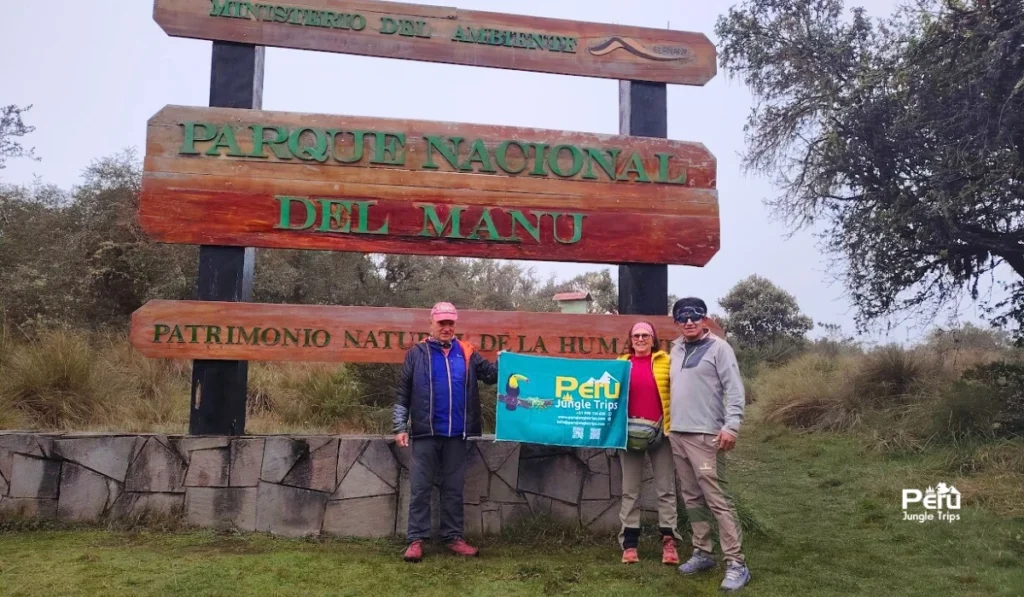
What to Do in Manu National Park? Tourist Attractions
Below, we present the best activities and places to explore what to do in Manu National Park, organized by zones. Each place includes a brief description, its main activity, and why it is worth visiting.
1. Tres Cruces Viewpoint (High Andean Zone – Entrance from Cusco)
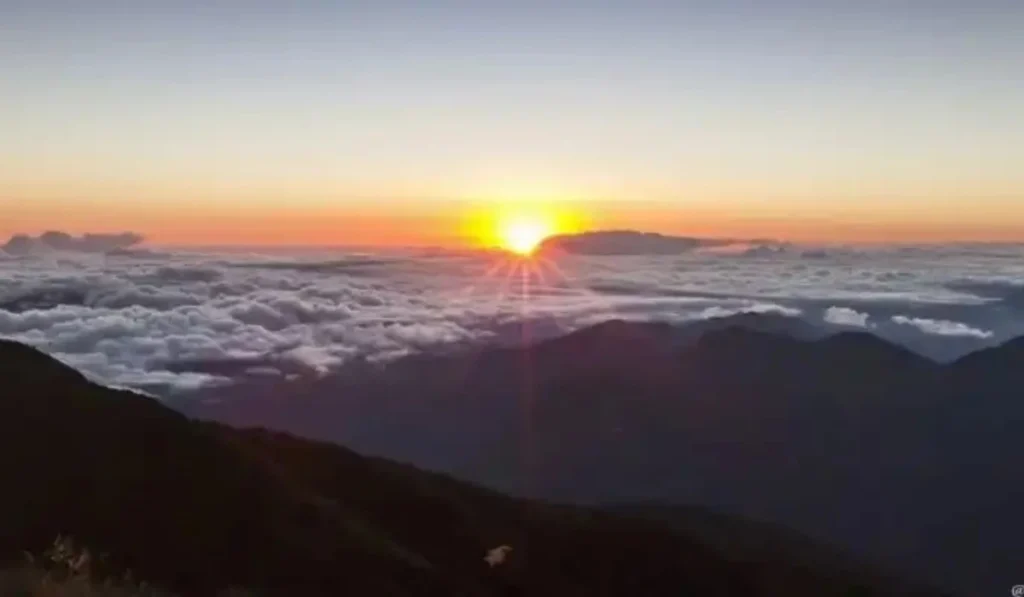
The Tres Cruces Viewpoint is located in Challabamba, province of Paucartambo (Cusco), at about 3,700 m above sea level. From this point, you can witness an unforgettable sunrise, where the sun rises over an immense sea of clouds and paints the sky in orange and golden tones. Many people consider it one of the most beautiful sunrises in the world. It is the highest accessible point from Cusco, at an approximate distance of 143 km and about 4 hours of travel. From here, you can also observe the transition between the Andes and the Amazon, with truly unique landscapes.
What to do:
- Wake up early to arrive before sunrise and watch the sun rising over the sea of clouds.
- Enjoy the panoramic views of the Amazon rainforest and the Andean mountains.
- Take photographs of the sunrise and the landscape.
- Dress warmly, as the area has very cold temperatures.
Why visit it:
It is considered one of the most beautiful sunrises in the world and offers unique panoramic views where the Andes and the Amazon come together. In addition, it is one of the main attractions on the entrance route to Manu National Park from Cusco, marking the beginning of this unforgettable experience.
2. Cloud Forest (Transition Zone)
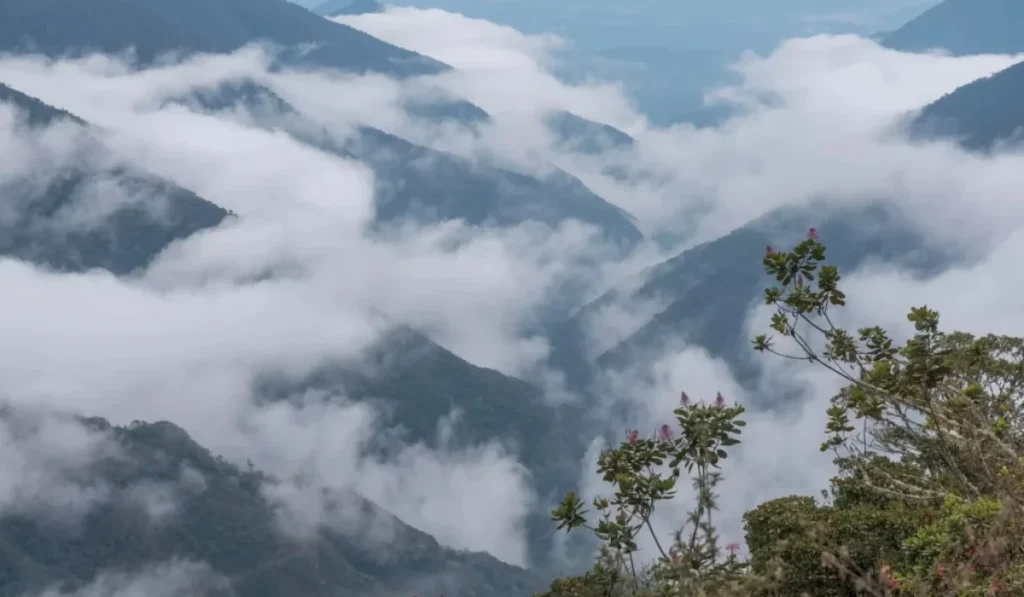
The Manu Cloud Forest is a transition zone crossed when descending from Tres Cruces toward the jungle, between 900 and 3,000 m above sea level. This ecosystem is characterized by being covered in constant mist and having abundant and humid vegetation. Its trees, which reach up to 30 m in height, are covered with orchids, ferns, and bromeliads. It is also an ideal place to observe the Andean cock-of-the-rock during its courtship ritual and various hummingbirds.
What to do:
- Take walks along cloud forest trails.
- Visit hummingbird gardens and birdwatching viewpoints.
- Observe the flora and fauna from walkways and bridges.
Why visit it:
It is a fresh, humid place full of life, ideal for observing birds, monkeys, and unique plants, and learning about one of Manu’s most special ecosystems.
3. Manu River (Reserved Zone)
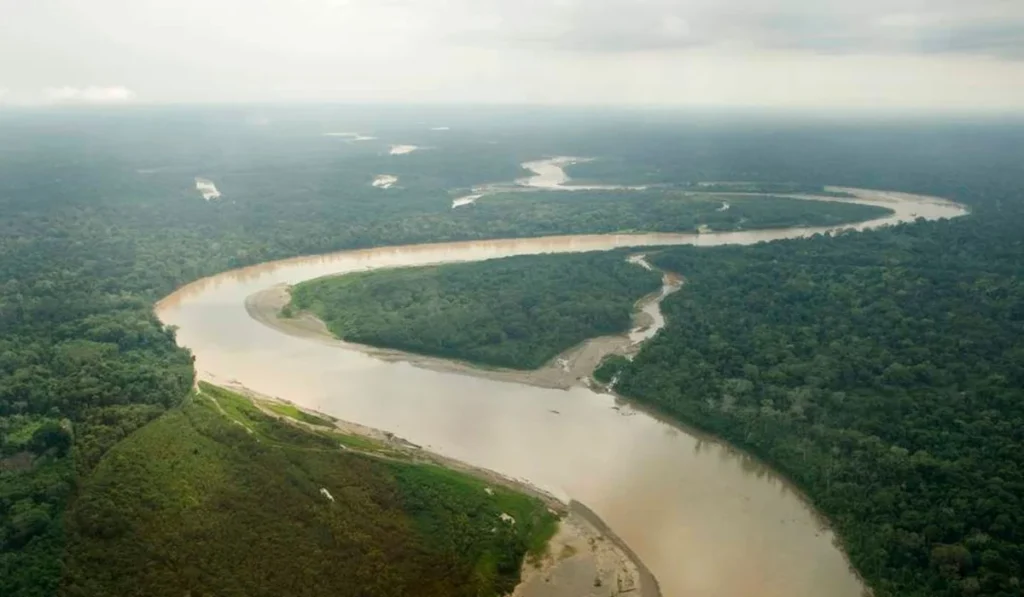
The Manu River runs through the deepest and most protected area of the park, surrounded by pristine rainforest and abundant wildlife. Navigating its waters allows you to closely observe Amazonian biodiversity. The journey is done by boat, passing through beaches, forests, and oxbow lakes such as Otorongo and Salvador, where many species live. During the trip, it is common to see birds, turtles, and caimans in their natural habitat.
What to do:
Take a boat ride along the river to explore the jungle.
Observe birds, caimans, and other animals from the boat.
Visit oxbow lakes and wildlife observation areas.
Explore the clay licks, where parrots and macaws gather.
Why visit it:
It is the heart of Manu National Park, ideal for seeing unique wildlife, such as giant otters and macaws, and living an authentic experience in the Amazon rainforest. It is one of the main experiences of what to do in Manu National Park.
4. Visit Lake Salvador
Lake Salvador is one of the largest and most important lakes in Manu. It is surrounded by flooded forest and is known for being home to a family of giant otters. Near the lake is the Casa Matsiguenka lodge, from where excursions begin to observe nature. This place concentrates a great diversity of animals and offers a peaceful experience deep in the jungle.
What to do:
- Explore the lake by boat or catamaran.
- Observe giant otters, birds, and caimans.
- Walk along trails near the lake.
- Visit natural viewpoints to see parrots and other birds.
Why visit it:
It is one of the best places to observe wildlife, especially giant otters, and enjoy a unique experience navigating in the Amazon rainforest, surrounded by nature.
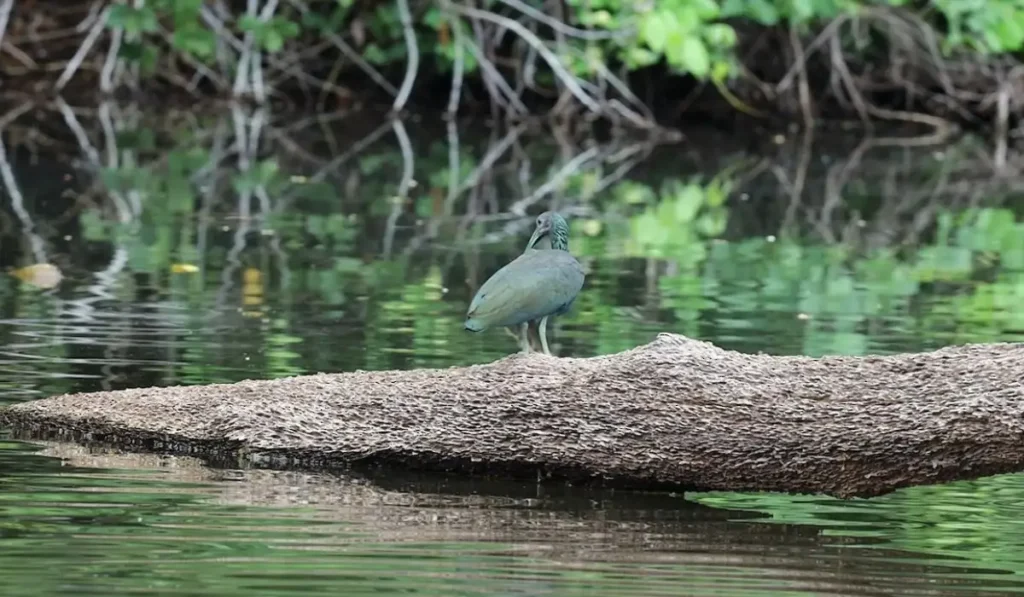
5. Visit Lake Otorongo
Lake Otorongo is a beautiful lake located near Lake Salvador, surrounded by tropical rainforest and abundant wildlife. Its main attraction is an 18-meter observation tower, from where you can appreciate the landscape of the lake and the Amazon rainforest. In this place, it is common to see monkeys in the treetops and otters near the shore. It is also the starting point of trails that enter deep into the jungle.
What to do:
- Climb the observation tower to see the landscape.
- Observe monkeys, otters, and birds.
- Walk along nearby jungle trails.
- Enjoy the nature and take photographs.
Why visit it:
It offers unique views of the lake and the jungle from above, and is an excellent place to observe wildlife, especially giant otters and monkeys, in their natural habitat.

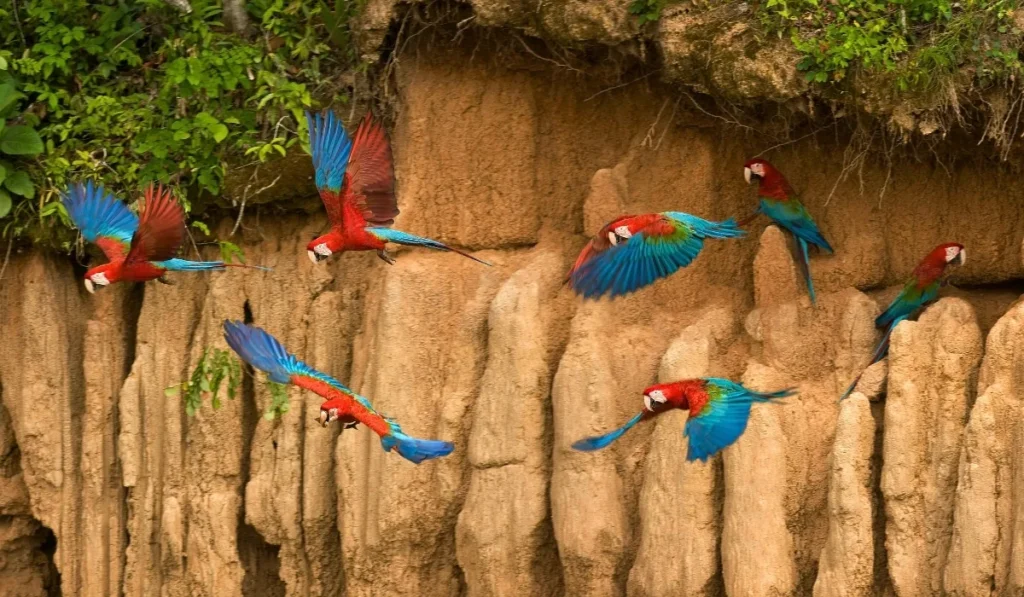
6. Macaw Clay Licks (Reserved Zone)
The Macaw Clay Licks are mineral-rich clay walls where parrots and macaws gather to feed. These clay licks are located near the river and are one of the most impressive natural spectacles in Manu. From viewpoints or observation hides, you can watch how these birds arrive in large groups, filling the place with colors and sounds.
What to do:
Visit the clay lick at sunrise, the best time to observe birds.
See flocks of macaws and parrots feeding.
Observe and photograph the natural spectacle.
Listen to the sounds of the jungle at the start of the day.
Why visit it:
It is a unique natural spectacle, where you can see hundreds of colorful macaws, ideal for photography and birdwatching lovers. A must-do activity of what to do in Manu National Park.
7. Casa Matsiguenka
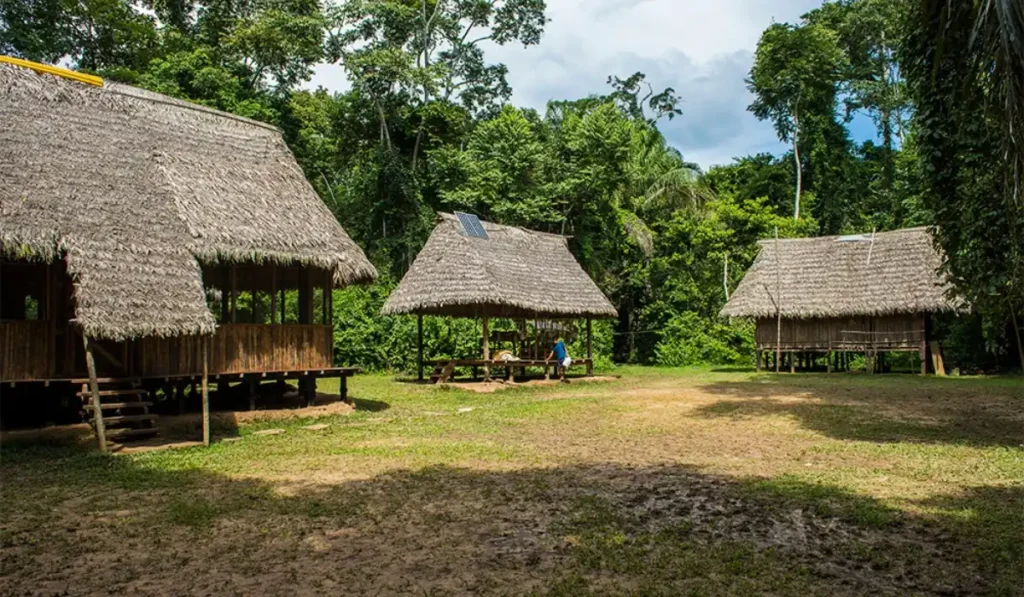
The Casa Matsiguenka is a community-run lodge located on the shores of Lake Salvador, managed by the Matsiguenka indigenous community. This place offers an authentic experience deep in the jungle, combining nature and culture. The lodge is simple but comfortable, and from there you can access trails within the primary forest, accompanied by local guides who share their knowledge.
What to do:
- Stay at the lodge and live the jungle experience.
- Take guided walks through the forest.
- Learn about the Matsiguenka culture and traditions.
- Listen to the night sounds of the jungle.
Why visit it:
It offers a unique cultural experience, where you can live with an Amazonian community and explore the jungle from within, and it is also the starting point for several excursions.
8. Mammal Clay Lick (Pakitza Sector)
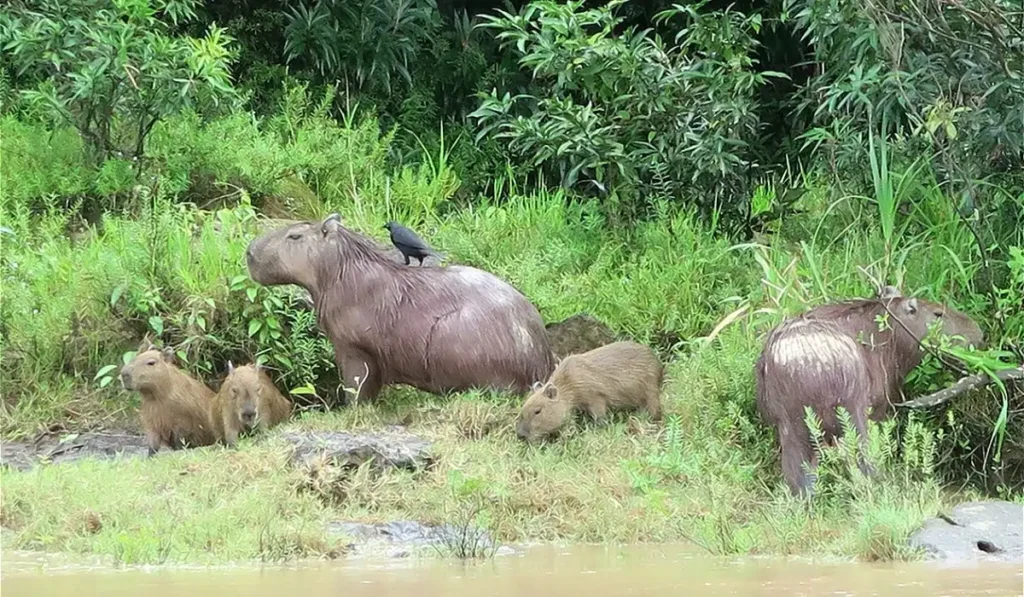
The Pakitza Mammal Clay Lick is a special place where animals such as tapirs, deer, and peccaries come to feed on mineral-rich soil. It is located in one of the most remote areas of the Manu River, within an environment of well-preserved rainforest. From an observation tower or hide, it is possible to see these animals without disturbing them, in their natural habitat.
What to do:
- Walk along the trails of the Pakitza area.
- Climb the observation viewpoint or hide.
- Observe tapirs, deer, and other mammals.
- Learn about the Amazon rainforest wildlife.
Why visit it:
It is one of the best places to observe wild mammals, especially the tapir, offering a unique experience in contact with Manu’s wildlife.
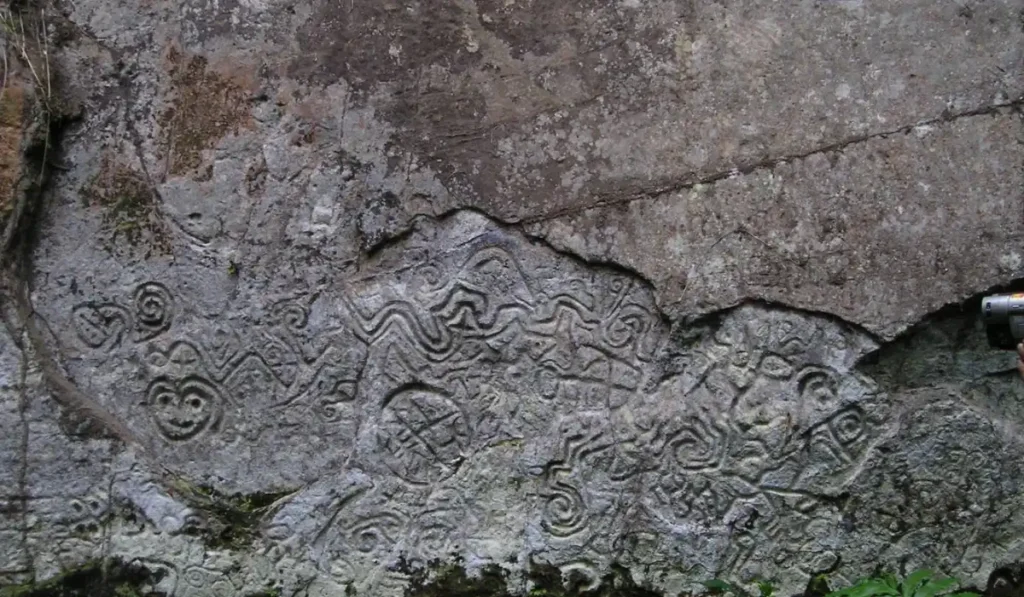
9. Visit the Pusharo Petroglyphs in the Matsiguenka Community of Palotoa
The Pusharo Petroglyphs are ancient pre-Columbian engravings carved into large rocks, located in the basin of the Palotoa River, within Manu. These symbols have great historical and cultural value, and are found in the middle of the jungle. The Matsiguenka community of Palotoa-Teparo protects the site and offers services to visitors.
What to do:
- Arrive by boat and walk to the petroglyphs with a guide.
- Observe the rock engravings and their meaning.
- Meet the local Matsiguenka community.
- Buy traditional handicrafts.
Why visit it:
It is a unique archaeological site in Manu, ideal for learning about Amazonian history and culture, and living a different experience in the jungle, beyond nature.
10. Visit Local Communities in the Cultural Zone of Manu
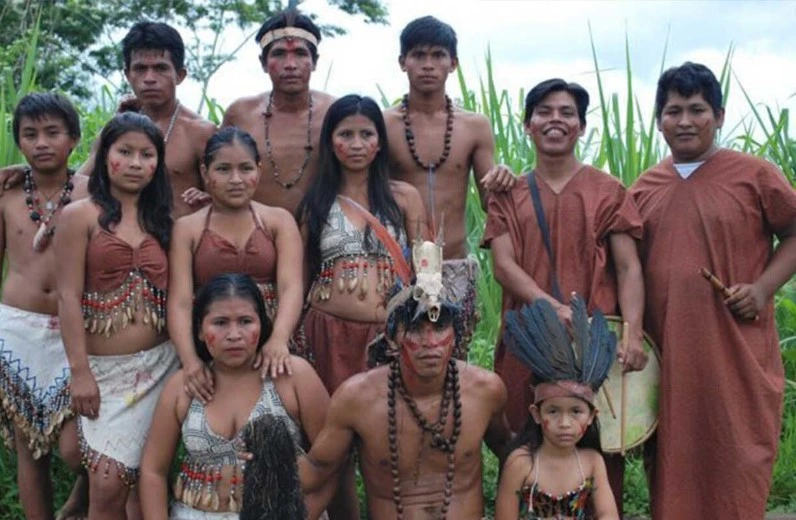
In the cultural zone of Manu live various farming and indigenous communities, such as Pilcopata, Paucartambo, and Palotoa-Teparo. These populations preserve their traditions, language, and way of life, offering visitors an authentic cultural experience. Here live Quechua, Matsiguenka, and Yine communities, which maintain a strong relationship with nature.
What to do:
- Visit local communities and learn about their customs.
- Buy handmade handicrafts.
- Participate in cultural activities or festivities.
- Learn about their daily life and traditions.
Why visit it:
It allows you to learn about the living culture of Manu, interact with local communities, and complement your trip with a cultural experience, in addition to nature.
11. Night Walks
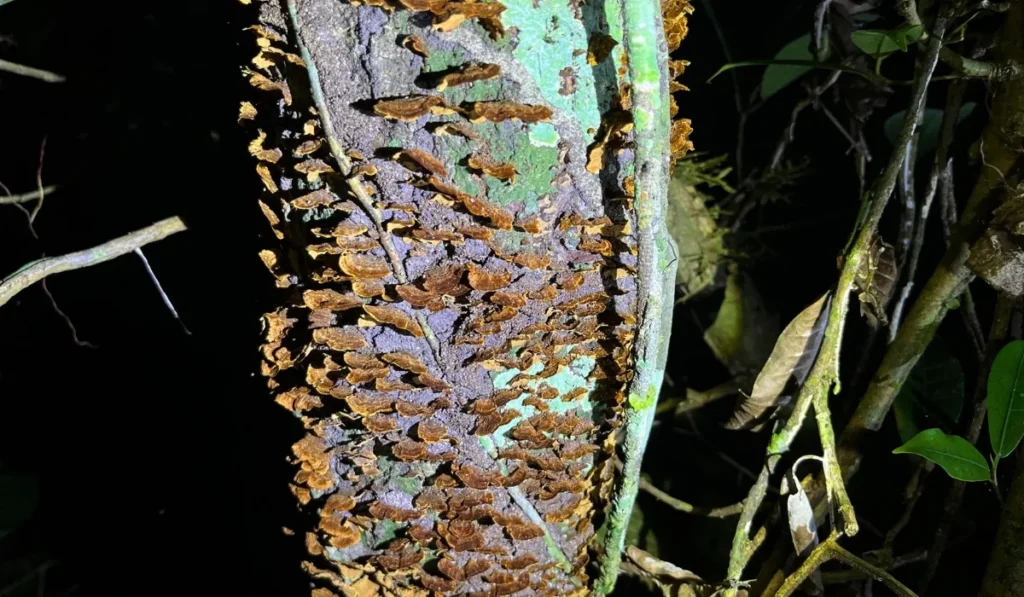
Night walks in Manu allow you to discover a different side of the jungle, when many animals are more active. These excursions are done with a guide and flashlight, along trails near the lodge or reserve. At night, the jungle fills with unique sounds and movements, creating a special experience.
What to do:
- Take a guided walk through the jungle at night.
- Observe frogs, insects, and other nocturnal animals.
- Listen to the natural sounds of the jungle.
- Look for caimans or nocturnal birds.
Why visit it:
It is an exciting and different experience, ideal for seeing animals that are difficult to observe during the day and discovering the nocturnal side of the Amazon rainforest. It is one of the favorite activities for those looking for what to do in Manu National Park.
12. Canopy Walk
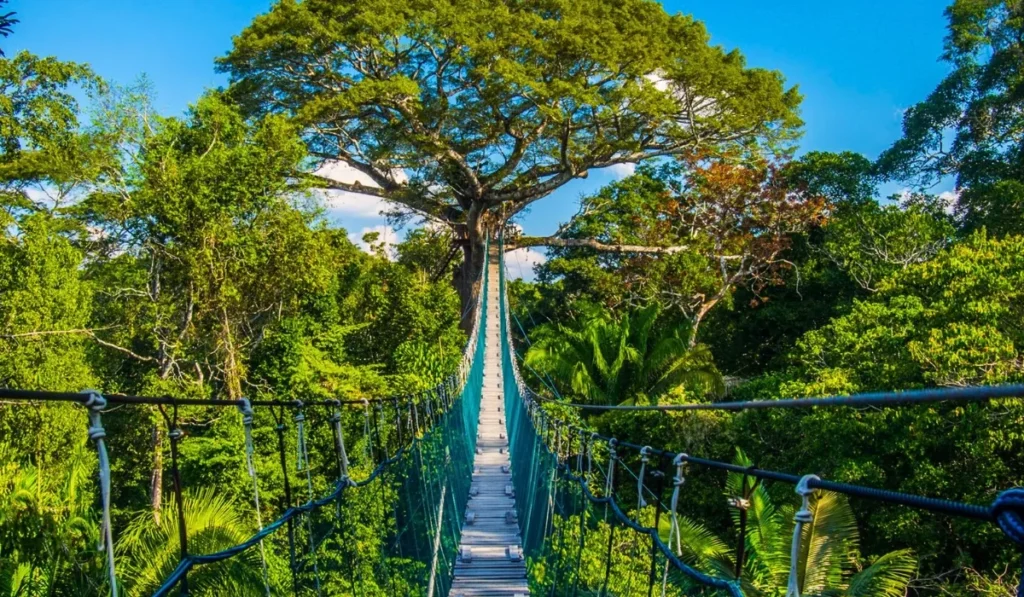
The canopy walk allows you to observe the jungle from above, using towers and platforms built on the trees. These structures, located in some sectors of Manu, offer a panoramic view of the Amazon rainforest and its vast extension. From this height, it is possible to see birds and vegetation from a different perspective.
What to do:
- Climb the observation tower.
- Walk along elevated platforms or walkways.
- Observe birds in the treetops.
- Enjoy the view of the jungle from above.
Why visit it:
It allows you to see the jungle from a unique perspective, observe animals that live high in the trees, and appreciate the magnitude of the Amazon rainforest.
13. Manu Wildlife Observation
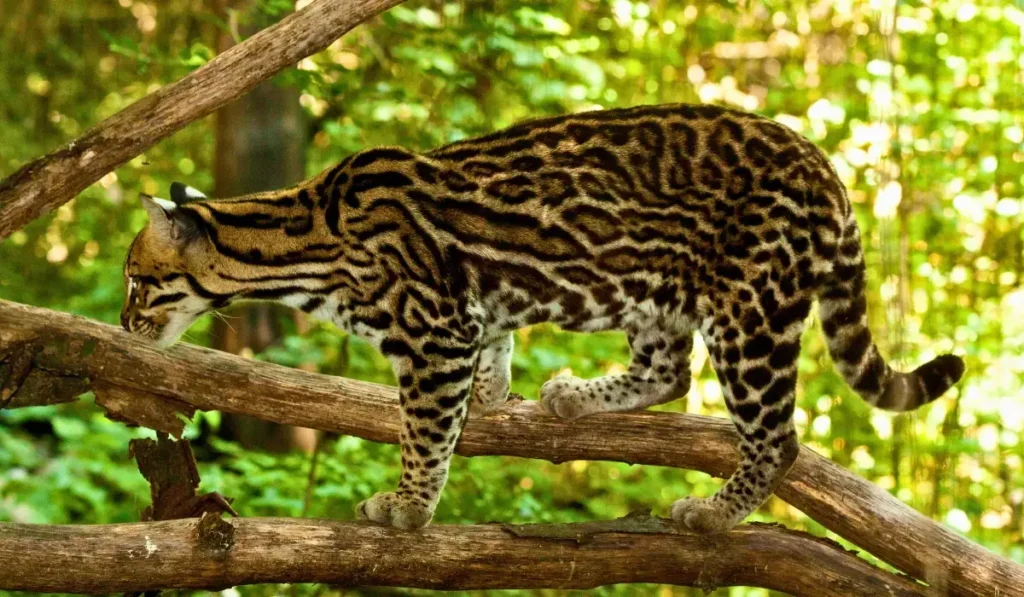
Manu is one of the best places in the world to observe wildlife, thanks to its great biodiversity and conservation. Here live jaguars, monkeys, spectacled bears, caimans, and giant otters, as well as a huge variety of birds such as toucans, macaws, and hummingbirds. On many excursions, it is possible to see animals in their natural habitat, especially in rivers, lakes, and trails.
What to do:
- Go out early to observe animals in their natural environment.
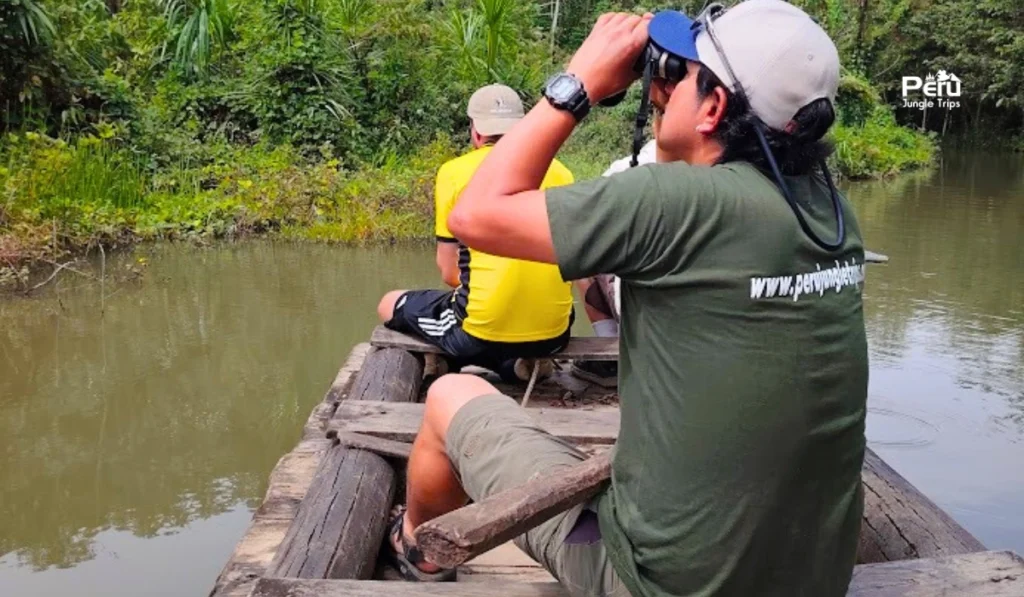
- Use binoculars to see birds and mammals.
- Visit lakes, rivers, and wildlife viewpoints.
- Remain quiet and attentive during excursions.
Why visit it:
It is an ideal destination for nature lovers, where you can enjoy an experience similar to an Amazon safari and observe unique species in the world.
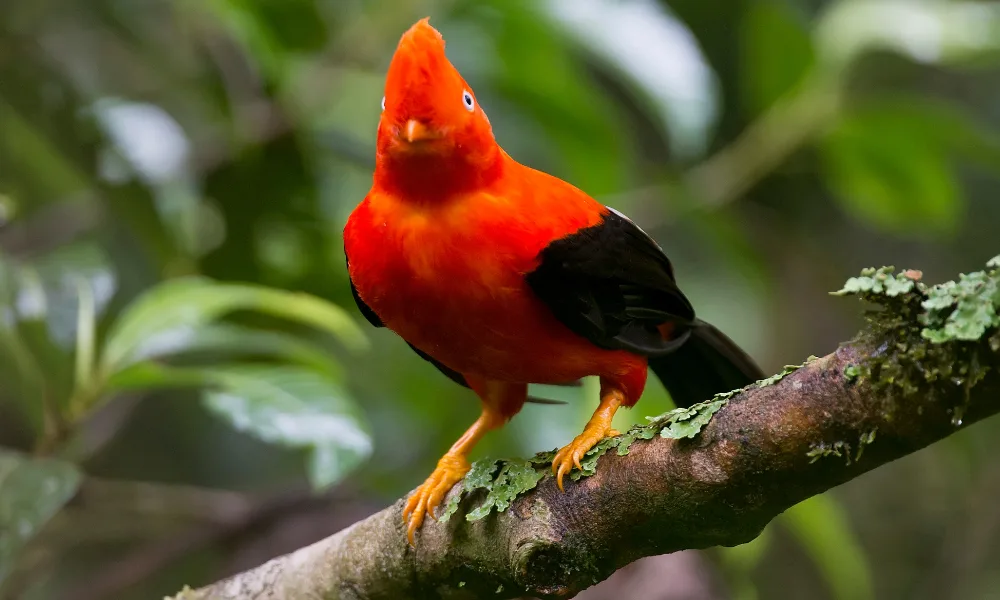
14. See the Andean Cock-of-the-Rock: National Bird of Peru
The Andean cock-of-the-rock is the national bird of Peru and one of the most emblematic species of Manu. It lives in the cloud forest, where the males, with their bright red plumage, perform a courtship dance to attract females. This spectacle takes place in areas called lek, especially at sunrise.
What to do:
- Take a sunrise excursion in the cloud forest to observe the Andean cock-of-the-rock.
- Watch the Andean cock-of-the-rock’s dance.
- Visit viewpoints or observation areas.
- Take photographs of this unique bird.
Why visit it:
It is one of the most famous natural spectacles in Manu, ideal for learning about the national bird of Peru and enjoying a unique experience in contact with nature.
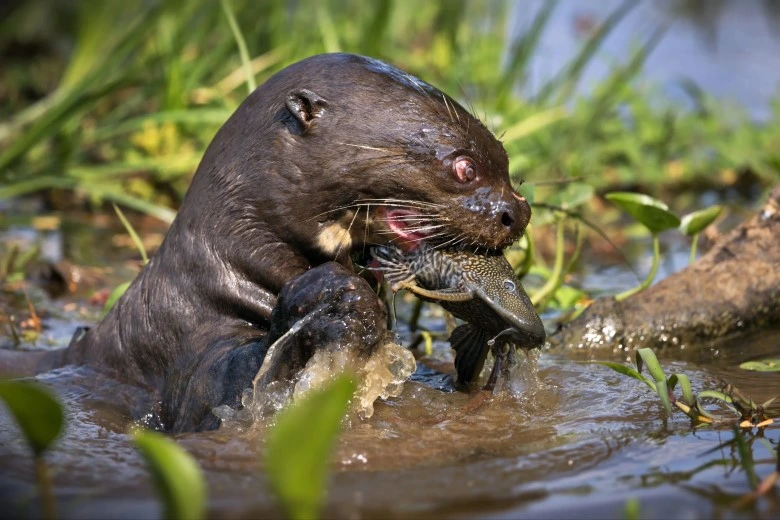
15. Observe Giant Otters in Manu
The giant otter, also known as the river wolf, is one of the most representative species of Manu. It lives in lakes such as Salvador and Otorongo, where it forms families that swim and hunt together. These animals are very active and are often seen near the surface, especially during calm hours of the day.
What to do:
- Navigate by boat on Manu’s lakes.
- Observe otters swimming and playing.
- Visit the lakes early in the morning or at sunset.
- Take photographs with respect and distance.
Why visit it:
It is one of the best places to see giant otters in the wild, offering a unique experience for wildlife and nature lovers. An unmissable experience of what to do in Manu National Park.
Cultural Zone and Reserved Zone of Manu: List of What You Can Visit
Manu Park is divided into two main tourist areas: the cultural zone, located in the mountains, and the reserved zone, in the Amazon rainforest. Each offers different landscapes, activities, and experiences.
- Cultural Zone (Andes – Upper Amazon): includes towns such as Paucartambo and Pilcopata, as well as communities like Mendozayoc and Pucará. Here you can visit the Tres Cruces Viewpoint, famous for its sunrise, and the Cloud Forest, where the Andean cock-of-the-rock lives. You can also learn about local traditions, festivals, and Andean life, while enjoying mountain landscapes, mist, and the beginning of the jungle.
- Reserved Zone (Upper and Lower Jungle): includes the Manu River from Atalaya to Pakitza. Highlights include Lakes Salvador and Otorongo, the macaw and mammal clay licks, and the Casa Matsiguenka. You can also visit Palotoa-Teparo and the Pusharo petroglyphs. Here you will live the complete jungle experience, observing wildlife, vegetation, and Amazonian rivers.
Best Time to Visit Manu National Park
The best time is from April to November.
During these months:
- There is less rain
- It is easier to see animals
- Tours are safer
It is the best time to enjoy everything there is to do in Manu National Park.
Frequently Asked Questions – What to Do in Manu National Park
1. How do I get to Manu National Park?
Most tours depart from Cusco or Puerto Maldonado. From Cusco, you travel through Paucartambo, Acjanaco, and Tres Cruces, and then descend to Pilcopata and Atalaya, where navigation on the Manu River begins. Entry must be done with an authorized agency and official guide, according to SERNANP regulations.
2. Is it mandatory to go with a guide to Manu National Park?
Yes, it is mandatory to enter with authorized operators. This guarantees visitor safety and park protection. In addition, guides know the best places to observe wildlife and explore the jungle.
3. What kind of wildlife will I see in Manu?
Manu has a great diversity of animals, including macaws, toucans, monkeys, tapirs, and caimans. It is also possible to see giant otters and, if you are lucky, jaguars or spectacled bears.
4. What is the best time to travel to Manu National Park?
The best season is between April and November, when there is less rain. Between July and October is ideal for observing macaws at the clay licks.
5. How many days are recommended to visit Manu National Park?
A minimum of 4 days is recommended, although ideally 2 to 8 days, to explore the cultural zone and the reserved zone more calmly and have better opportunities to see wildlife.
Manu National Park Tours
- Manu National Park + Fishing (4 Days)
- Manu Reserved Zone (5 Days)
- Manu National Park (2 days)
- Manu Jungle Tour (4 Days)
- Manu National Reserve (5 Days)
Manu National Park, a Natural World Heritage Site, is one of the most biodiverse destinations on the planet, located between the Andes and the Amazon. contact us and book with Peru Jungle Trips. If you are wondering what to do in Manu National Park, you can enjoy the sunrise at Tres Cruces Viewpoint, explore the cloud forest and observe the Andean cock-of-the-rock, navigate the Manu River, visit Lakes Salvador and Otorongo to see giant otters, explore macaw clay licks, and visit local communities, living a unique experience of nature and culture, especially between April and November.