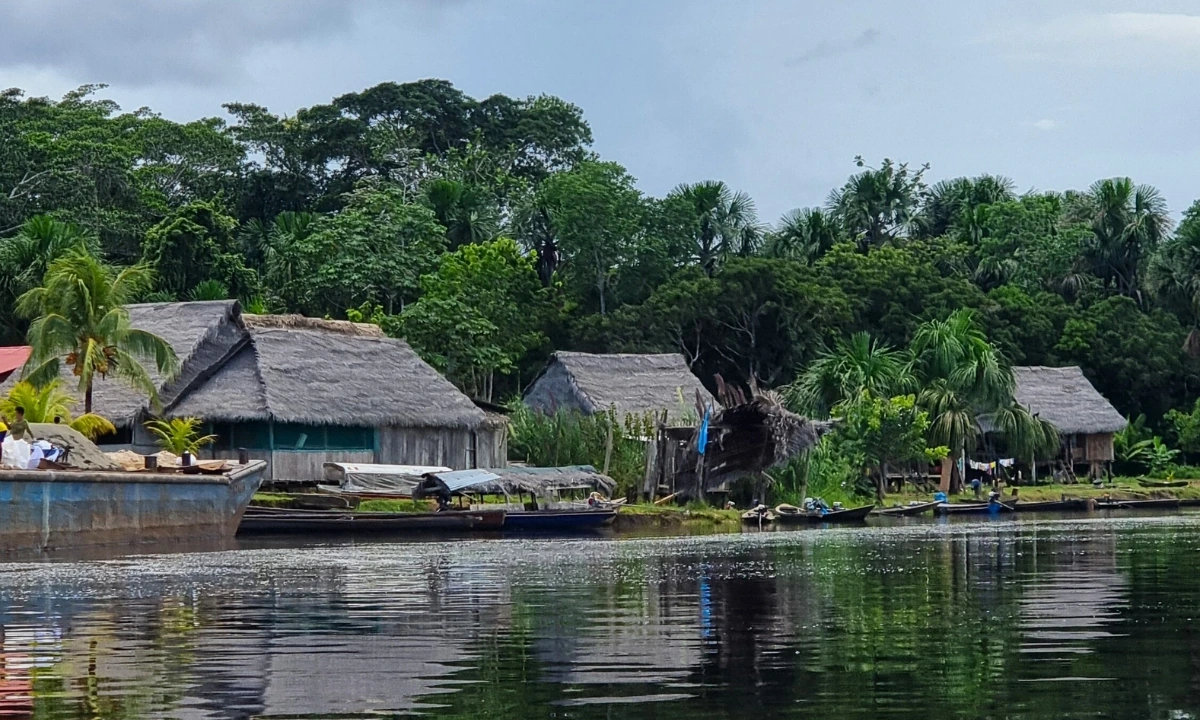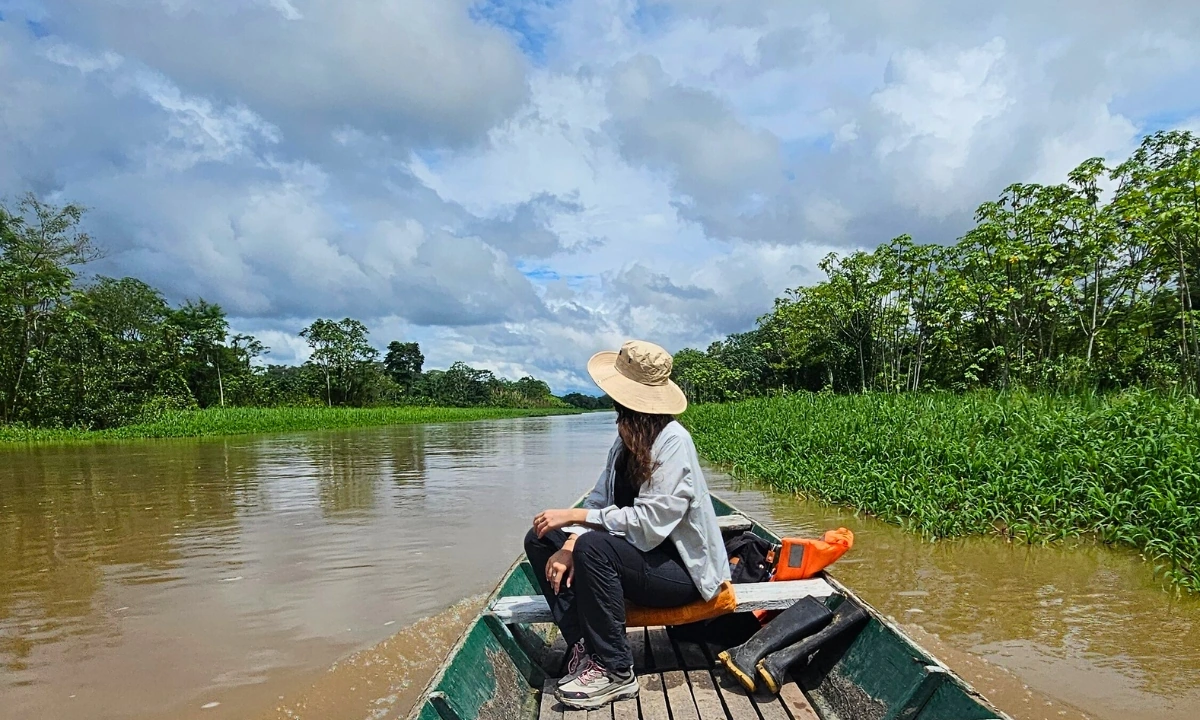
The Peruvian Amazon is an extraordinary destination for those seeking adventure, nature, and contact with wildlife. Its extensive forests, large rivers, and Amazonian lakes offer unique settings for observing animals in the wild, navigating its waters, and learning about the cultures that keep their traditions alive. But, what to do in the Peruvian Amazon? From watching macaws at clay licks and searching for pink river dolphins to navigating Lake Sandoval, exploring the oxbow lakes of Manu, and discovering Amazonian cuisine, there are experiences to enjoy the Amazon from different perspectives. Iquitos, Puerto Maldonado, and the Manu National Park stand out among the main destinations for experiencing these adventures.
The Peruvian Amazon: Amazonian Biodiversity
The Peruvian Amazon encompasses a great variety of ecosystems, from extensive tropical forests to rivers, lakes, and wetlands where an incredible diversity of species lives. The Peruvian Amazon has around 78 million hectares of tropical forest and has cities such as Iquitos, Puerto Maldonado, and other Amazonian towns as its main access points. These environments are home to jaguars, howler monkeys, pink river dolphins, and hundreds of bird species, many of them unique to the region.
Among its main protected areas are the Tambopata National Reserve and Manu National Park. Tambopata is recognized for its extraordinary biodiversity, while Manu, declared a UNESCO World Heritage Site, protects an enormous variety of species and ecosystems. Visiting destinations such as Iquitos, Tambopata, and Manu allows you to enjoy natural landscapes, observe wildlife, and experience different activities in contact with the Peruvian Amazon.
What to Do in the Peruvian Amazon: Activities in the Amazon
The Amazon rainforest offers a multitude of activities for all types of travelers. Below are the must-do experiences that will allow you to discover what to do in the Peruvian Amazon and make the most of your trip.
1. Wildlife Viewing in Its Natural Habitat
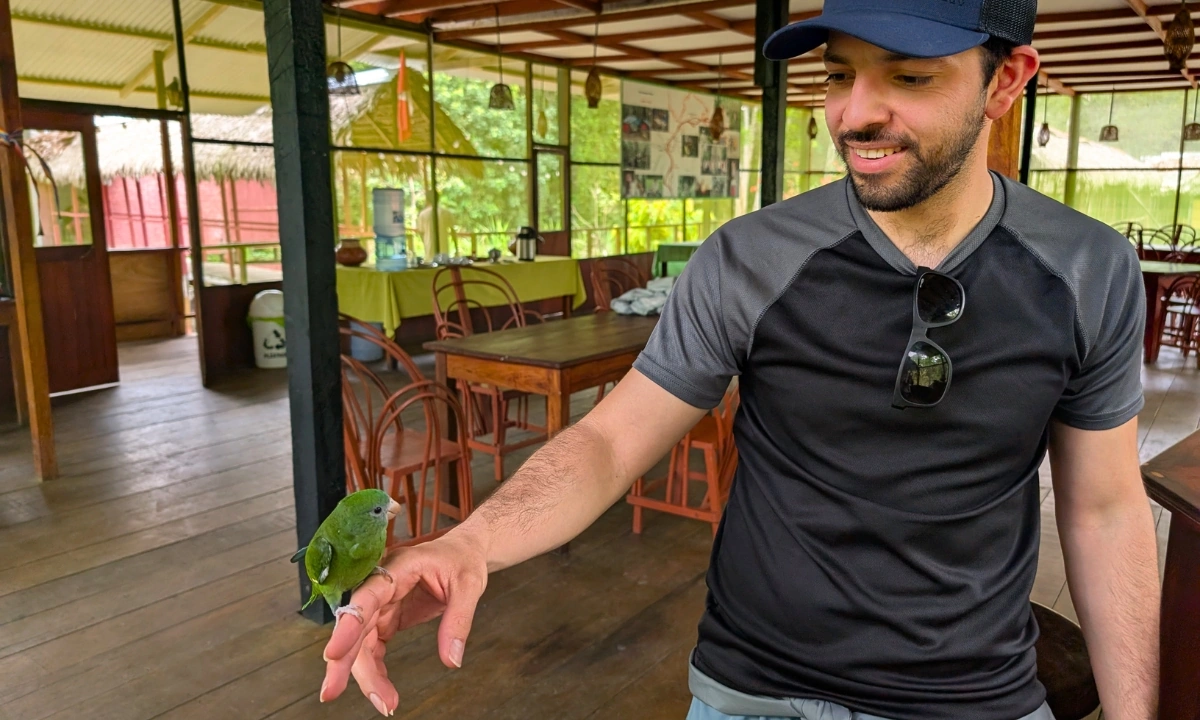
The Peruvian Amazon is a paradise for wildlife lovers. Walking along trails accompanied by local guides allows you to see animals in their habitat. There, you may encounter monkeys, giant otters, exotic birds, and even the elusive jaguar. Among the most emblematic species are Amazon pink river dolphins (which can be seen in Iquitos), howler monkeys, giant otters, and other animals. In places such as Manu, guides teach you how to recognize tracks and bird calls, making wildlife viewing in the Peruvian Amazon an incredible experience.
2. Macaw Watching at Clay Licks
Seeing macaws in the wild is one of the most spectacular adventures. In several reserves, there are clay licks – natural walls where parrots, parakeets, and macaws come to eat minerals. For example, in Tambopata (Puerto Maldonado), the La Cachuela Clay Lick and the Chuncho Macaw Clay Lick offer a true spectacle: blue-and-yellow, scarlet, red-and-green macaws, and other Amazonian birds gather in flocks to feed. This macaw-watching experience in the Peruvian Amazon is ideal for photographers and enthusiasts.

3. Pink and Gray River Dolphin Watching
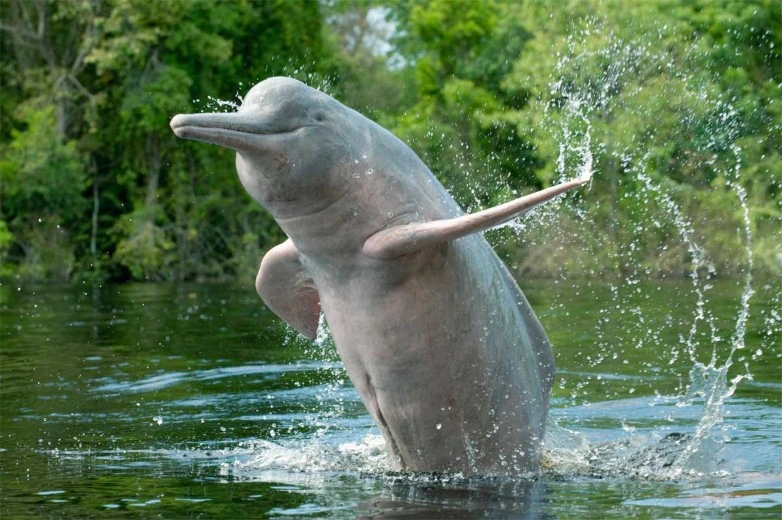
Peruvian Amazon rivers are home to river dolphins. There are two species, pink river dolphins (Inia geoffrensis) and gray river dolphins (Sotalia fluviatilis). Both can be seen on water excursions from Iquitos. With a little luck, early-morning boat rides allow you to watch them playing in the dark waters. They are curious animals: sometimes they approach the boats.
Recent studies on the Amazon River have documented hundreds of these cetaceans. One expedition counted 484 pink river dolphins and 442 gray river dolphins during a journey along the Amazon. This figure reflects how abundant they are and the unique opportunity that the trip provides to see them. One of the unforgettable activities in the rainforest is watching pink and gray river dolphins, unique specimens of the Amazonian ecosystem.
4. Navigate the Amazon River and Its Tributaries
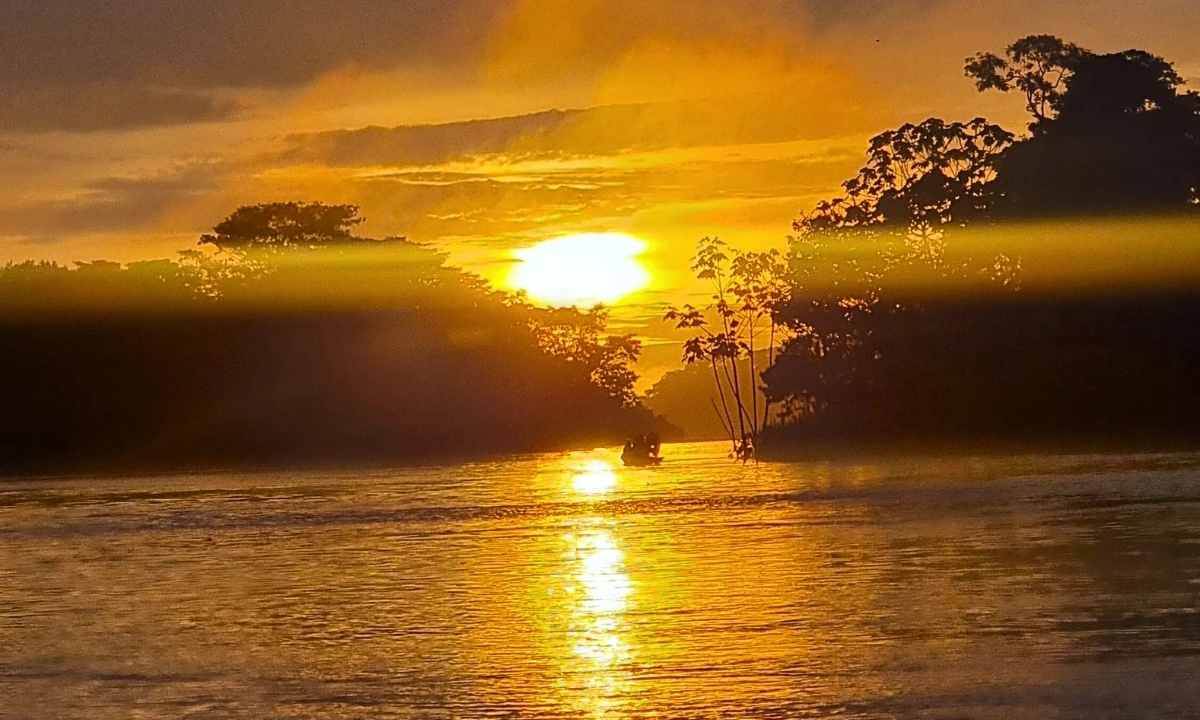
One of the best ways to explore the Amazon is by navigating its rivers. From the vast city of Iquitos, traditional canoe rides are organized along the Amazon River and its tributaries (Momón River, Napo River, etc.). The river is the rainforest’s “highway”: from the boat, you can spot caimans basking in the sun along the banks, hear macaws and swifts, and observe the living rainforest at every kilometer. Many tours also include piranha fishing (a traditional local activity) or visits to riverside communities. For example, navigating from Iquitos along the Amazon River to native communities allows you to combine adventure and culture.

5. Rowboat Navigation on Lake Sandoval
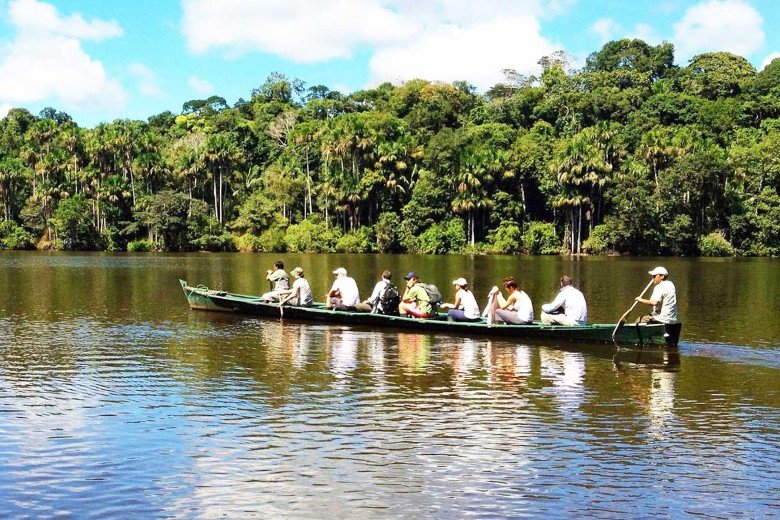
In the Puerto Maldonado region lies Lake Sandoval, in the Tambopata National Reserve. This blackwater lake surrounded by palm trees offers rowboat rides, a peaceful and safe activity. As you row across the lake, you may see black caimans emerging from the water, giant turtles, and river otters. In addition, on the way to the lake, you visit Monkey Island (Isla de los Monos), where friendly squirrel monkeys approach the boat, climbing onto your back if you are lucky.
6. Raft Expedition Through Pristine Oxbow Lakes, Such as Cocha Salvador and Cocha Otorongo
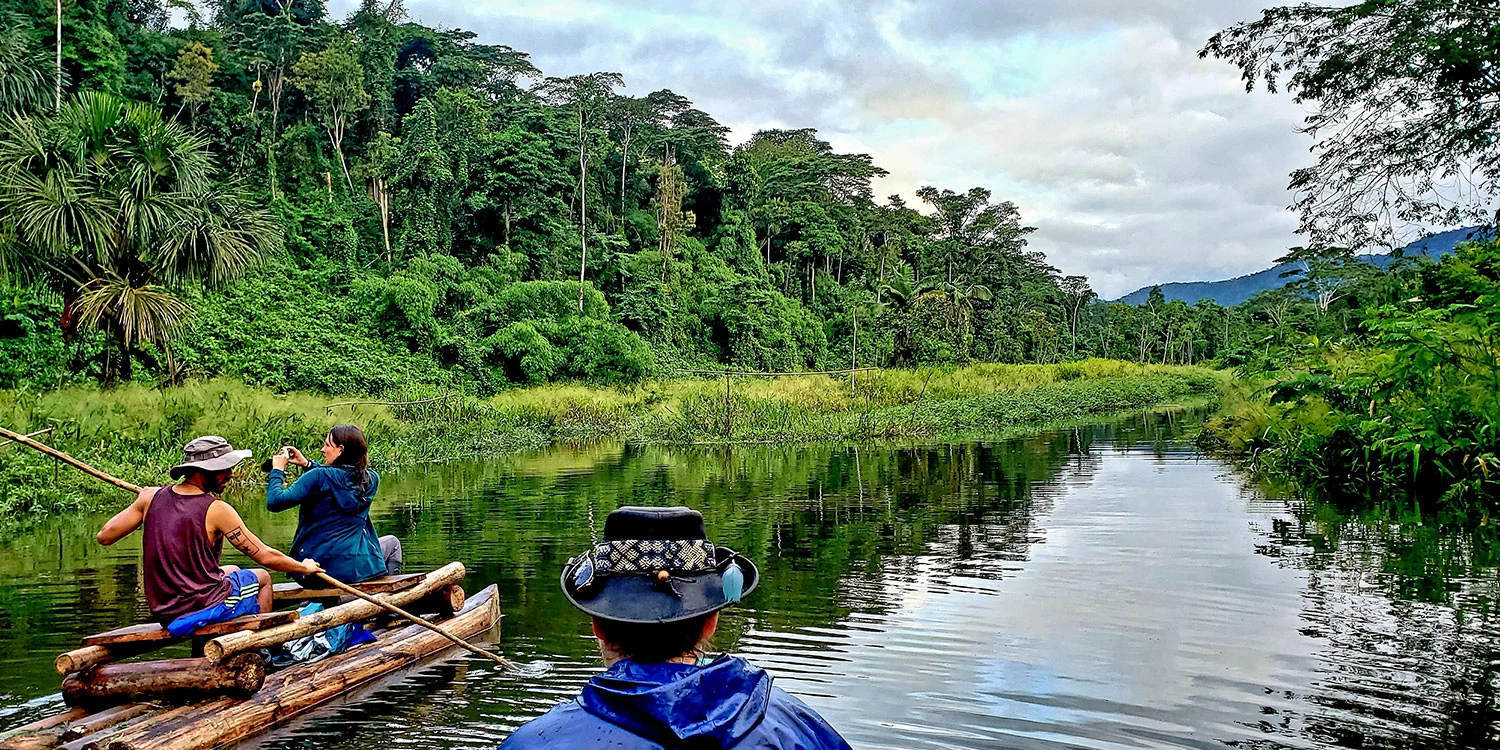
In the Manu National Reserve (Cusco/Madre de Dios), raft or canoe expeditions are organized through oxbow lakes. The Tour through the Manu Reserved Zone includes excursions to Cocha Salvador and Cocha Otorongo. At Cocha Salvador, you will row peacefully while watching exotic birds (hoatzins, osprey) and monkeys hanging near the shores. At Cocha Otorongo, you will climb a 25-meter observation tower to overlook the lake and search for wildlife from above. Families of giant otters live there. These raft expeditions through oxbow lakes are perfect for those who love untouched nature and wildlife photography.
7. Walking Across Canopy Walkways
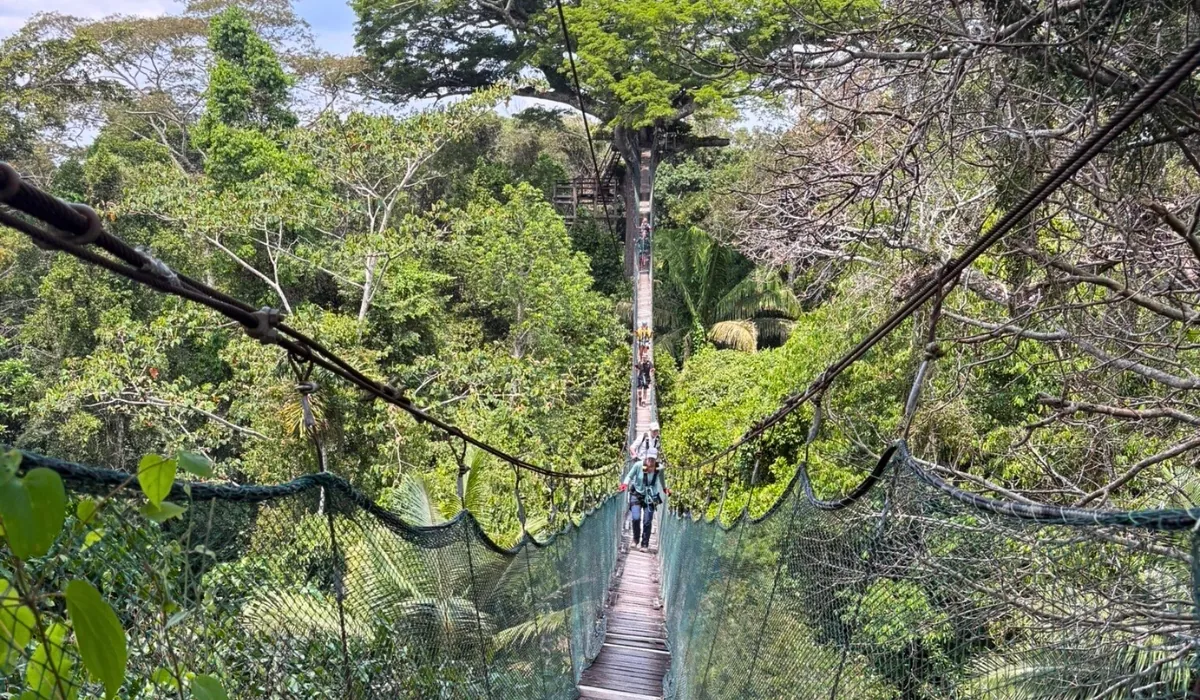
Several lodges and parks have installed canopy walkways, metal and wooden suspension bridges that connect elevated platforms in the treetops. Walking across these bridges, more than 20 or 30 meters above the ground, you will have a panoramic view of the rainforest like an endless green sea. A recent example is the bridge installed over Lake Sandoval (30 meters high) to offer incredible views of the lake and surrounding rainforest. From there, it is possible to see parrots flying. Walking across these suspension bridges is an exciting and safe way to explore the rainforest canopy and observe the Peruvian Amazon from above.
8. Expedition and Luxury River Cruises
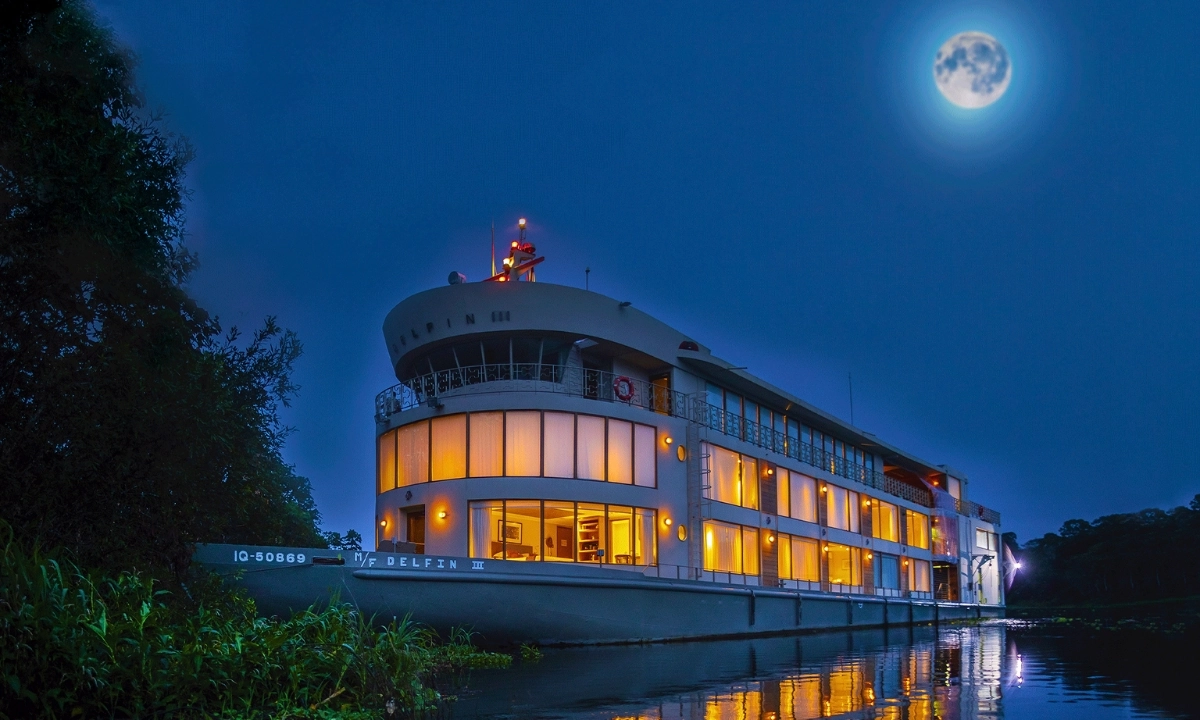
For a more comfortable trip, there are river cruises along the Amazon that combine luxury expedition. On board the cruises, you will enjoy spacious rooms, a gourmet restaurant, a swimming pool, and daily guided activities. At each stop, you disembark to go hiking, fishing, or wildlife watching from land. Expedition cruises usually have small groups with expert naturalist guides. River cruises (whether adventure or luxury) offer a spectacular way to travel through the Amazon without sacrificing comfort.
9. Visit the National Parks
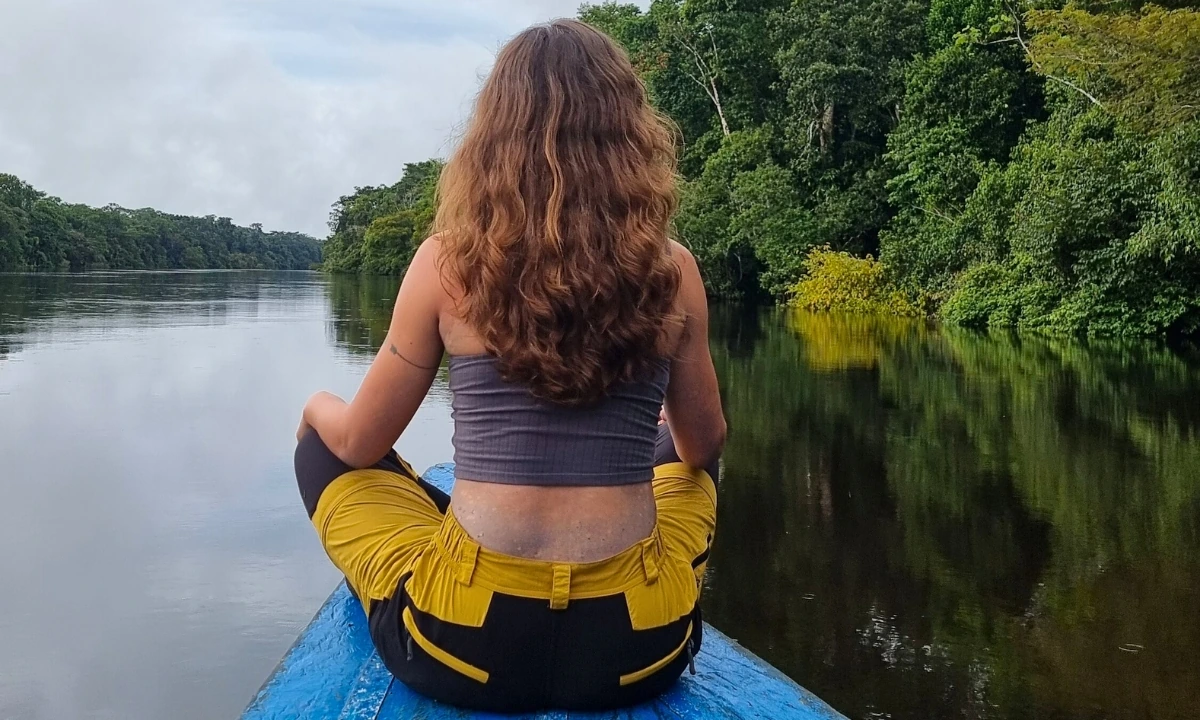
The Peruvian Amazon has several national parks that guarantee the protection of nature. Visiting these parks is a way to discover untouched ecosystems. Manu National Park (Cusco/Madre de Dios) is home to jaguars, tapirs, and the largest number of amphibian species in the world. The Tambopata National Reserve (Puerto Maldonado) allows short excursions in areas with great biodiversity. There is also Pacaya Samiria National Park in Loreto (very close to Iquitos) and Alto Purús National Park, among others.
10. Visit the National Reserves
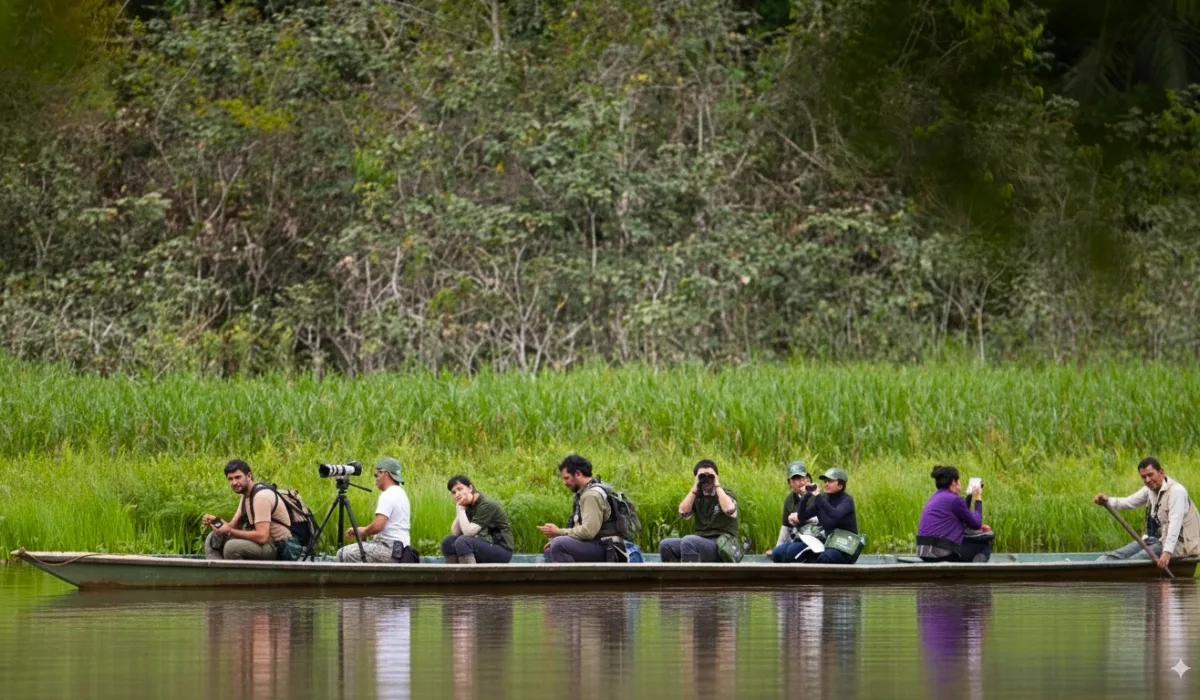
In addition to the parks, Peru has national reserves and conservation areas that are ideal for exploring. For example, the Pacaya Samiria National Reserve, near Iquitos, protects extensive Amazonian channels and lakes. Likewise, in Madre de Dios you can visit the Tambopata National Reserve and protected oxbow lakes, or travel to the Manu Biosphere Reserve in the areas bordering its national park.
11. Learn About Amazonian Communities and Cultures
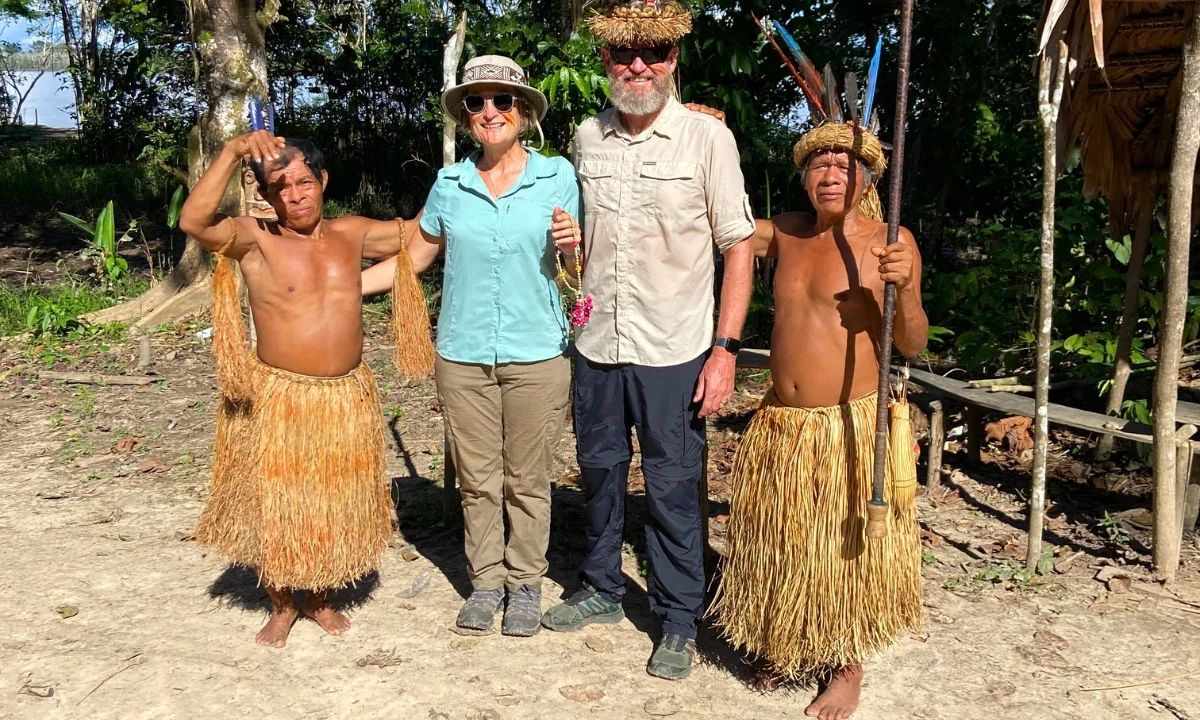
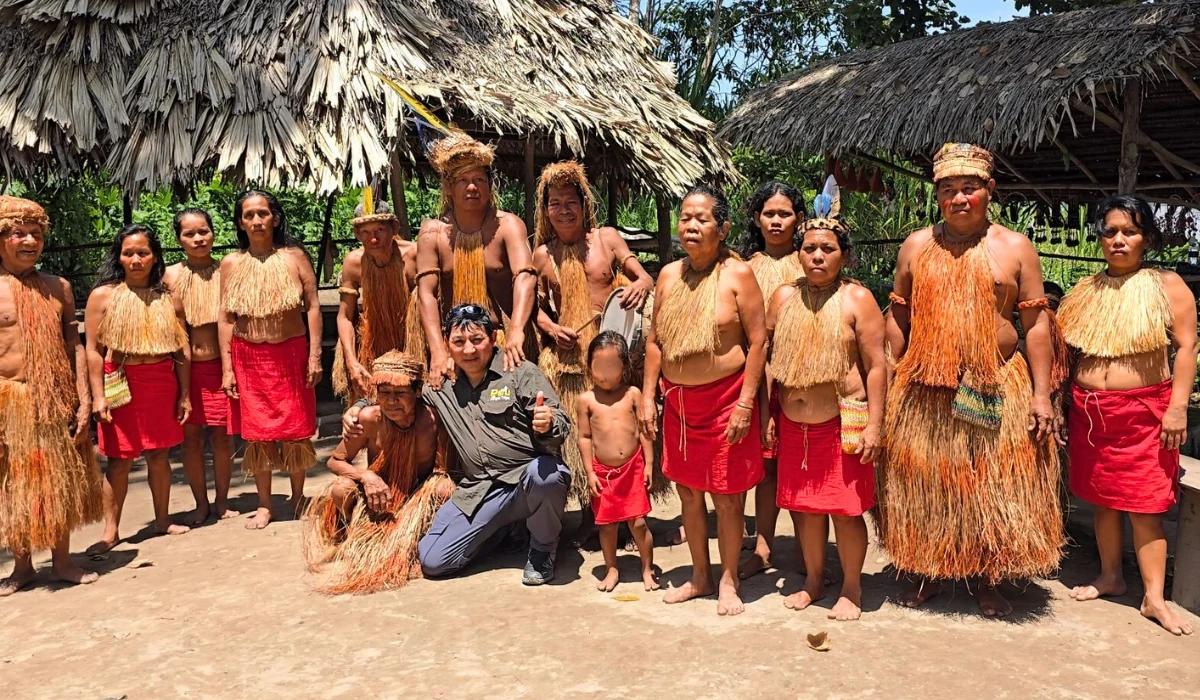
One of the greatest treasures of the rainforest is its people. Visiting native Amazonian communities gives you the opportunity to learn about ancestral traditions. Many communities (such as the Shipibo, Asháninka, or Kukama) welcome tourists to their villages to teach them about handicrafts, songs, dances, and traditional ceremonies. There, you can participate in handicraft workshops (weaving, pottery), try local yuca chicha, or learn about medicinal plants used by shamans. These cultural exchange experiences enrich the trip and support the development of the communities.
12. Cultural Exchange with Matsigenka Communities
In the Manu region (Cusco/Madre de Dios) lives the Indigenous Matsigenka people (also called Machiguenga). Many expeditions to Manu include visits to the Matsiguenka House or Matsigenka villages. You will learn directly about the Amazonian way of life: how they use medicinal plants, make baskets from plant fibers, and hunt with traditional spears.
13. Visit Monkey Island
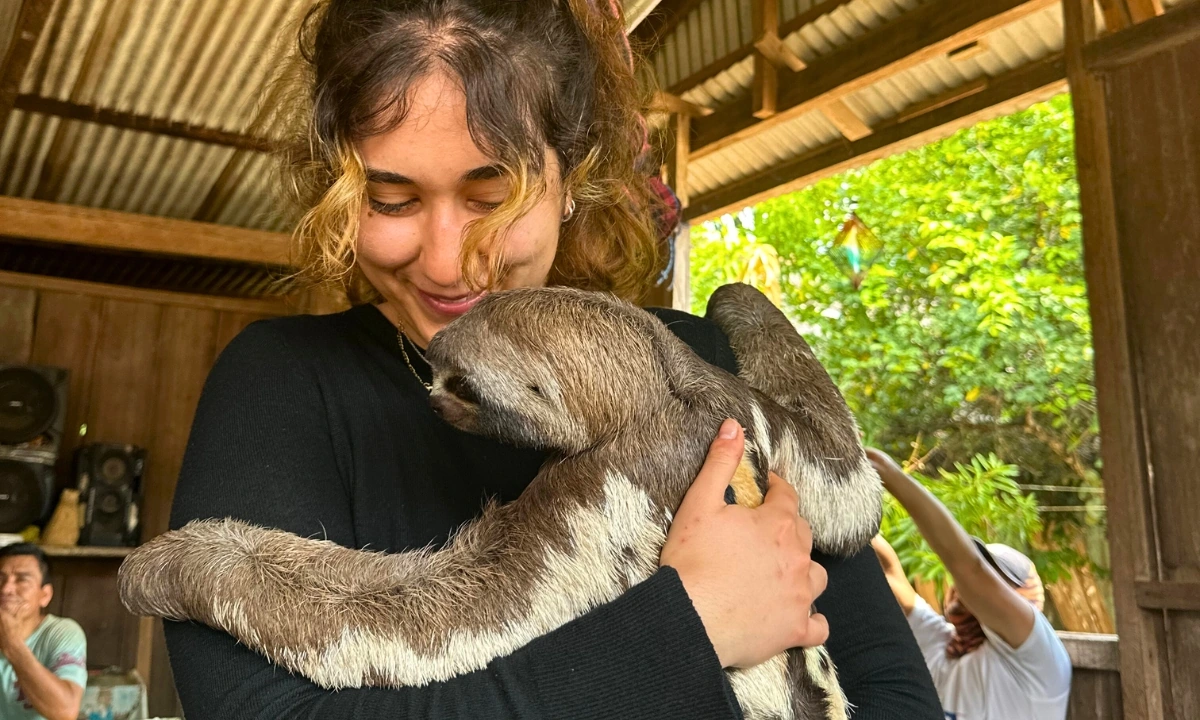
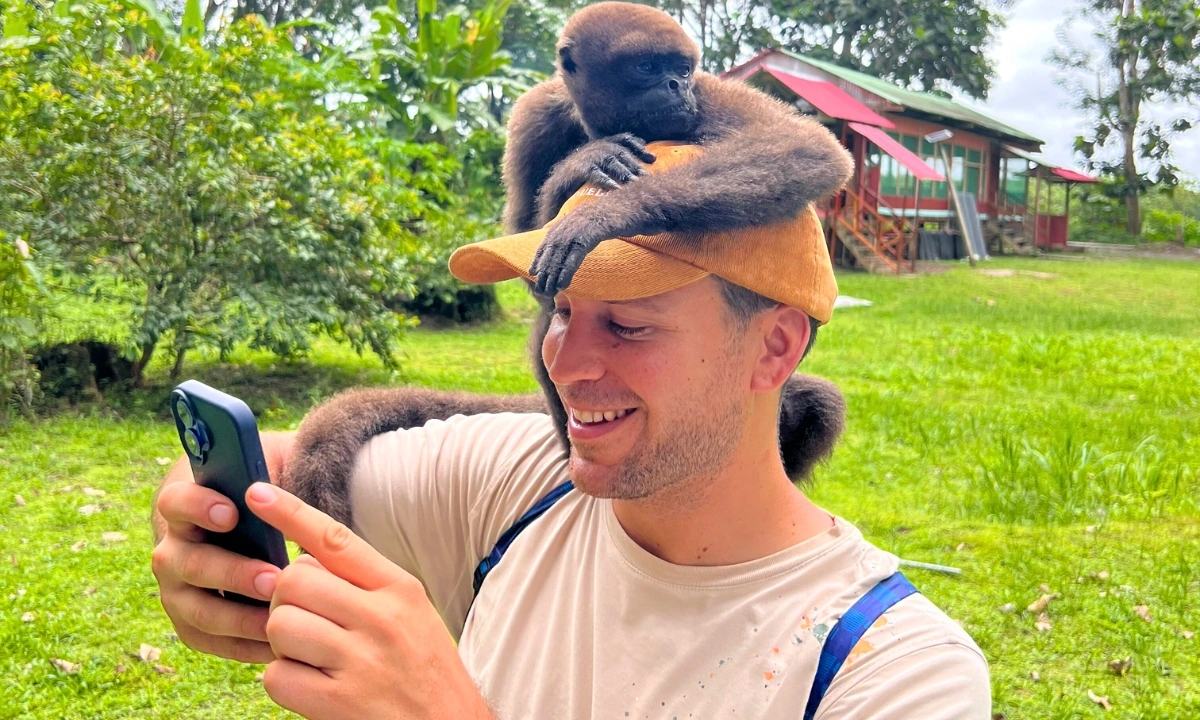
Another must-see attraction near Puerto Maldonado is Monkey Island on the Madre de Dios River. Just before reaching Lake Sandoval, you stop at this small island where a community of monkeys lives. When you get off the boat, several squirrel monkeys approach visitors and calmly walk alongside you. It is not unusual for one to climb onto your back looking for food. This informal encounter with the monkeys is great fun and allows for unique photographs. Monkey Island clearly illustrates what you can expect when exploring the Amazon: direct contact with wild animals in a safe environment.
14. Enjoy the Cuisine of the Peruvian Amazon
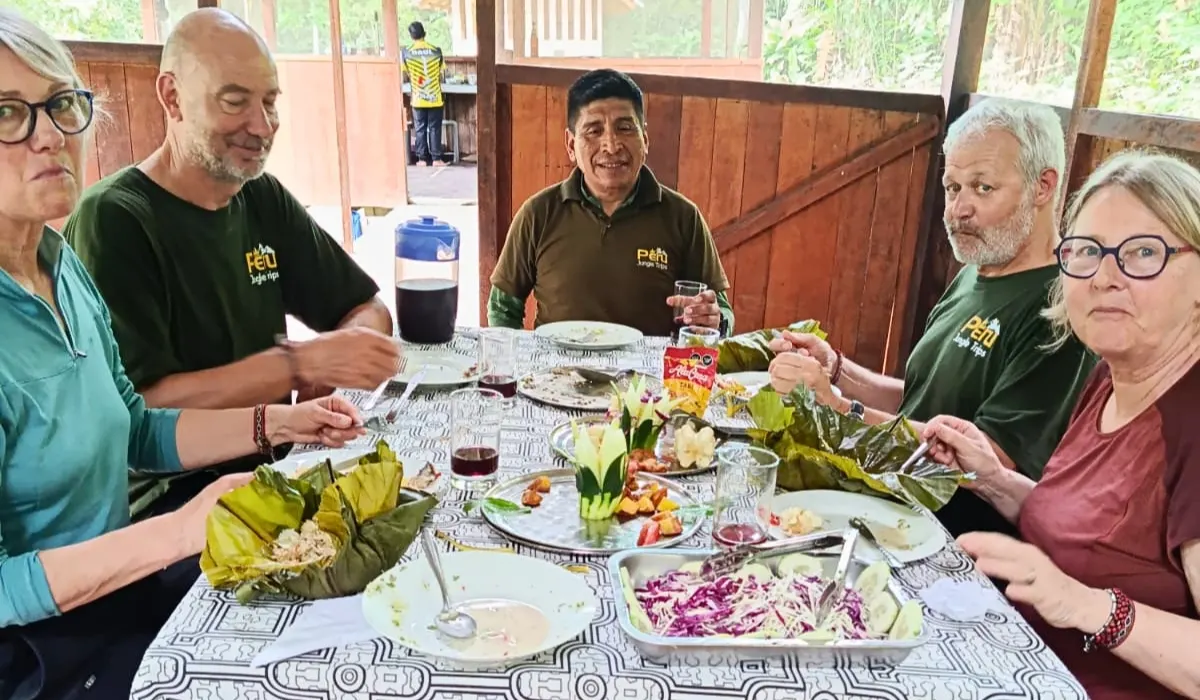
Amazonian cuisine is another major attraction. In the rainforest, you will find exotic flavors based on local ingredients: green plantains, yuca, hot peppers, tropical fruits, and, of course, river fish. Typical dishes include juane (rice seasoned with spices and chicken wrapped in bijao leaves) and tacacho con cecina (mashed green plantain with pieces of salted meat). Be sure to try inchicapi (cold peanut and chicken soup) or patashca (charcoal-grilled fish wrapped in a leaf), local specialties. Enjoying the cuisine of the Peruvian Amazon is an essential part of the adventure: nutritious and unique dishes.
The Best Time to Travel to the Peruvian Amazon
The ideal season depends on your interests. In general, the dry season (from May to November) is the most recommended time to visit the Peruvian Amazon. During these months, rainfall is scarce, rivers recede, and trails are more accessible, making hiking and observing animals concentrated around water sources easier. In addition, the dry weather minimizes mosquitoes and logistical setbacks.
If you are planning what to do in the Peruvian Amazon, considering the rainy season (December to April) has its own benefits: rivers rise and make it possible to reach areas that are inaccessible during the dry season, vegetation is at its most lush, and there is birdwatching of migratory species. If you are interested in the San Juan Festival (June 24), keep in mind that it coincides with the peak of the dry season.
Frequently Asked Questions About What to Do in the Peruvian Amazon
1. What is the best season for taking tours to the Peruvian Amazon?
The dry season, from May to November, is the most recommended. During these months, there is less rain, so the trails are accessible and wildlife tends to concentrate near water sources. On the other hand, the rainy season from December to April has unique attractions: rivers rise, allowing you to travel by canoe directly toward the forest canopy, dozens of migratory birds from the north arrive, and there are fewer tourists, which guarantees a better experience.
2. What vaccines and equipment do I need to travel to the Peruvian Amazon?
Before traveling, consult your doctor or vaccination center. Vaccines against yellow fever (required in some areas), hepatitis A/B, typhoid, and tetanus are recommended. It is also advisable to bring mosquito repellent. As for equipment: comfortable pants, sturdy shoes or rubber boots, and a waterproof poncho (rain can come unexpectedly).
3. Is it dangerous to do activities in the Peruvian Amazon?
The greatest risks are insects (mosquitoes), heat, and sudden rain. Staying up to date on vaccinations, wearing appropriate clothing, and using repellent minimizes these risks. The most important thing is to go with certified guides who know the area well.
Exploring the Peruvian Amazon is an unforgettable experience that combines adventure, nature, and culture. In this guide, you will find everything you need to know about what to do in the Peruvian Amazon, from exploring its trails and rivers to meeting Indigenous communities and discovering the flavors of Amazonian cuisine. Peru Jungle Trips is an agency specializing in the Peruvian Amazon, with years of experience organizing expeditions in Manu, Tambopata, and Iquitos. We offer customizable packages according to your interests and budget, with a focus on sustainable tourism. Contact us to book your tour to the Peruvian Amazon.