
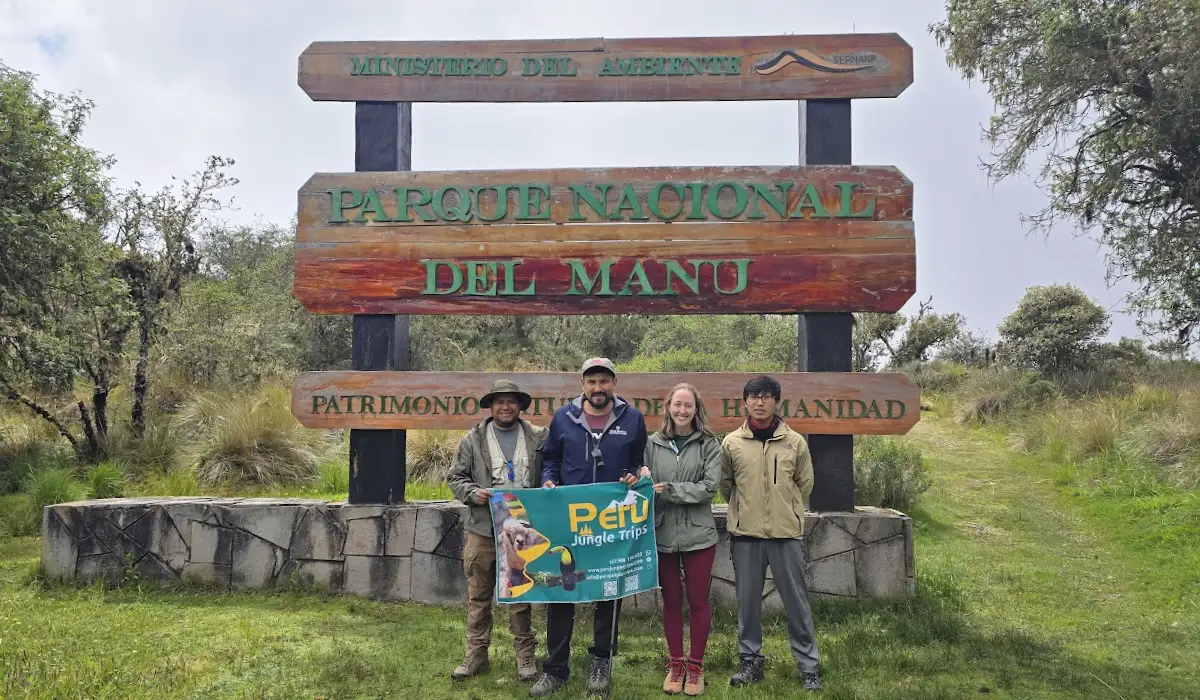
Are you ready for a journey that will take you from the peaks of the Andes to the deep jungle of the Amazon? Your adventure begins in the historic city of Cusco, at 3,400 meters high, ascending to 3,600 meters in Acjanaco to begin a spectacular descent through the cloud forest. If you’re wondering what to expect from Manu tours, the answer is total immersion! These exclusive expeditions are designed to give you a real connection to biodiversity, resting in authentic local lodges.
Get ready for a fascinating climatic transition: from the cold mountain air that can drop to 0°C in the mornings, to the vibrant tropical heat that reaches 35°C when you reach the jungle, on a tour where each kilometer reveals a new and amazing ecosystem.
The Climate: A thermal roller coaster
The climate in Manu is not just “jungle heat”; It is a dynamic transition that changes with altitude.
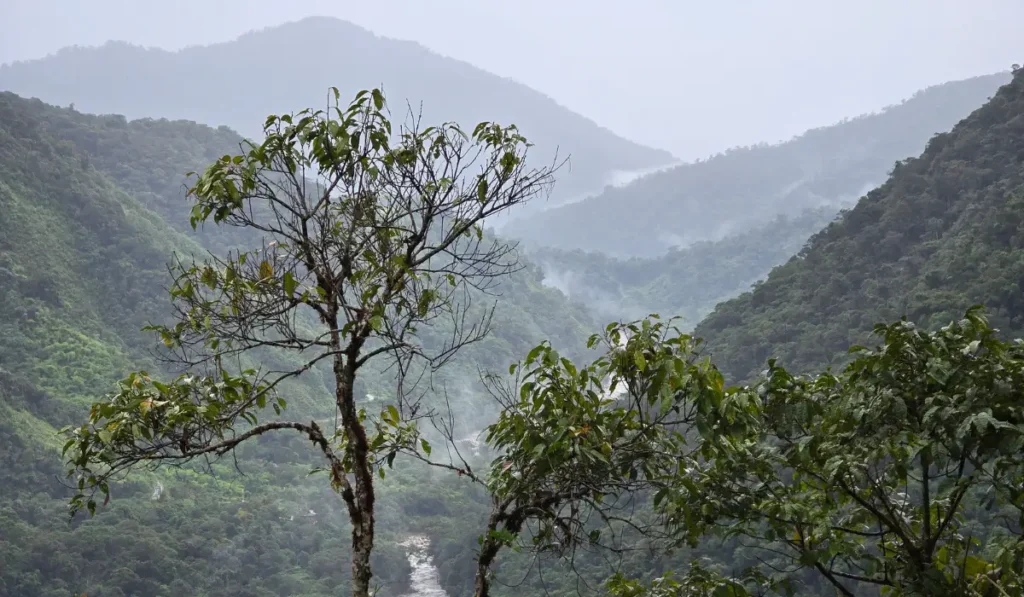
- From Cusco to the Cloud Forest: When leaving Cusco (3,400 m), the weather is cold, and can drop to 0°C in the morning and rise to 24°C. At the entrance through Acjanaco (3,600 m), prepare for the fog and constant drizzle of the cloud forest.
- The Tropical Descent: As you descend towards Pillcopata, the sky clears and the heat appears, with temperatures between 15°C and 35°C.
- Rainy Season (December – April): Storms are common and can be intense. Because the boats on the river are open, the rain poncho will become your best friend.
Activities and Logistics: The reality on the ground
To really understand what to expect in Manu National Park, it is vital to know that nature dictates the pace. Although most activities are carried out rain or shine, the weather is a factor that can alter plans at any time.
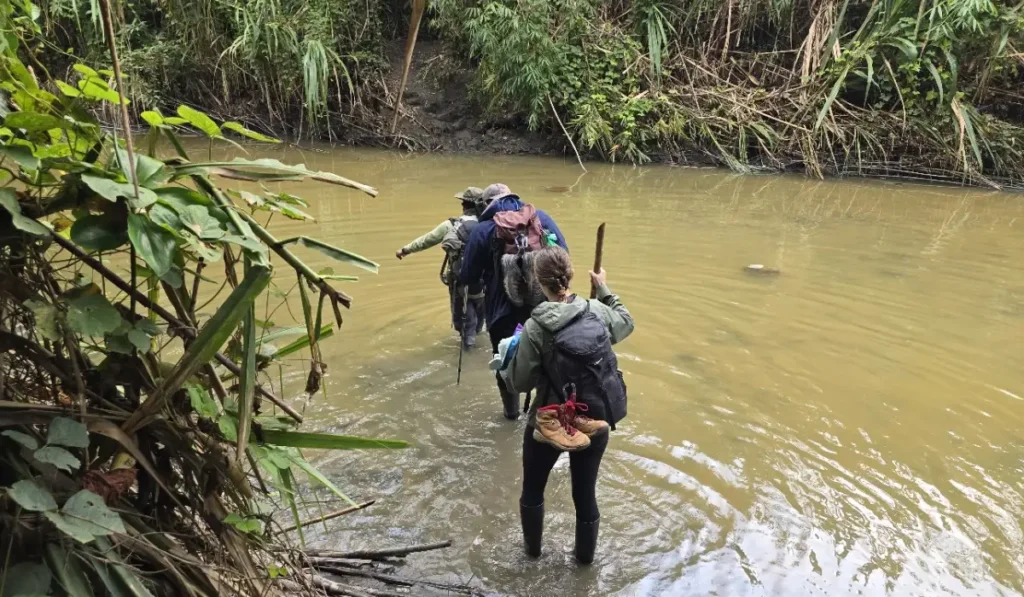
- Demanding Hikes: The trail routes usually last between 2 and 4 hours. Unlike the high altitude effort required by the Inca Trail, in Manu the challenge is the temperature, humidity and the state of the road, which the Amazonian flora quickly demands.
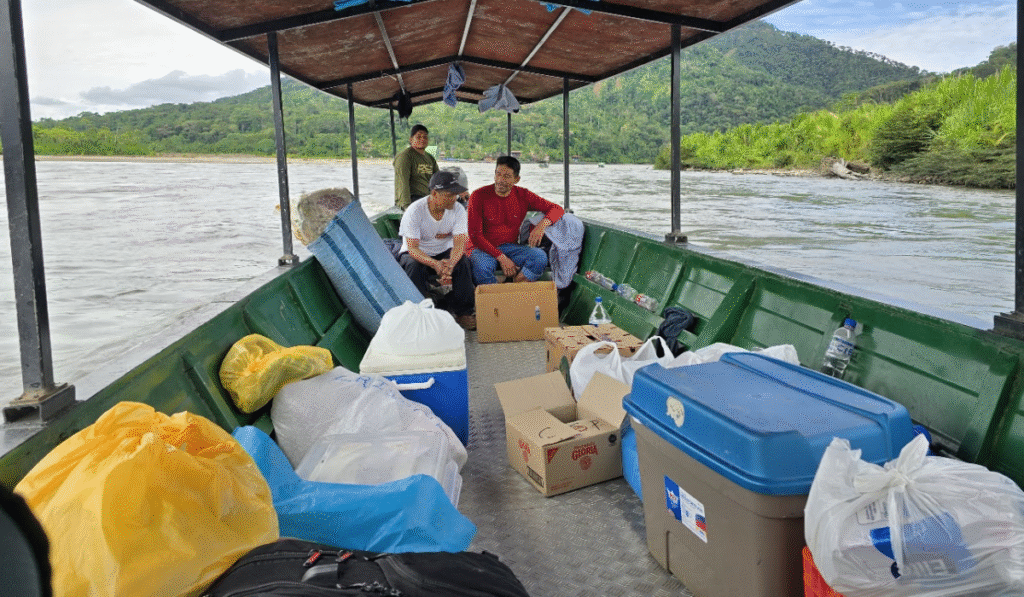
- Life on the River: You will navigate the Madre de Dios River in metal boats, designed to resist collisions with logs or stones. In the dry season, if the flow gets too low, you may need to get out of the boat and help push it to keep moving.
- Challenges on the Route: The land section to Atalaya can present potholes or landslides in the cloud forest due to the rains, which requires patience and expert drivers.
Lodges: Total disconnection
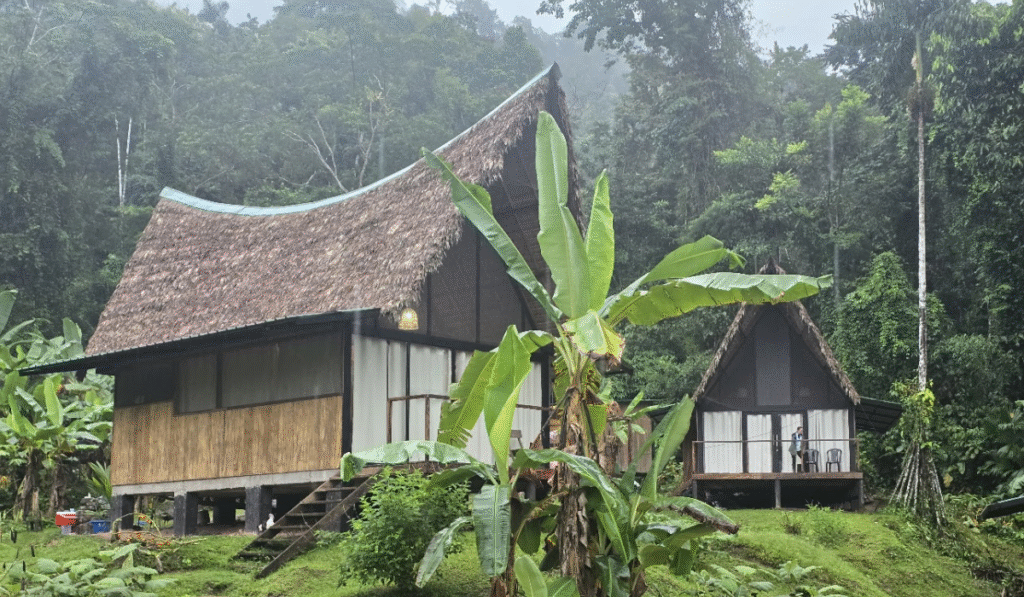
It is essential to understand that the hostels in Manu are different from those in Tambopata or Iquitos; Here the experience is basic and authentic.
- Royal Comforts: You will find private rooms (simple, double or matrimonial) with bathroom and shower, but forget about luxuries like swimming pools or hot water.
- Limited Energy: As you get deeper into the park, electricity is scarce. Solar panels or gasoline engines are used for limited hours, and there are generally no fans, however they are built to stay cool during the day and night.
- Protection: All lodges have mosquito nets in the rooms and beds to ensure a peaceful rest.
- Local Culture: In the reserved area, you can stay at the Matsiguenka House, managed by the indigenous community itself.
What to expect from Manu tours regarding Fauna and Flora?
The Manu National Park is one of the places with the greatest biodiversity on the planet, and what you will see depends on the area where you are.
- High Areas: Orchids and endemic birds such as the majestic Cock of the Rock reign in the cloud forest.
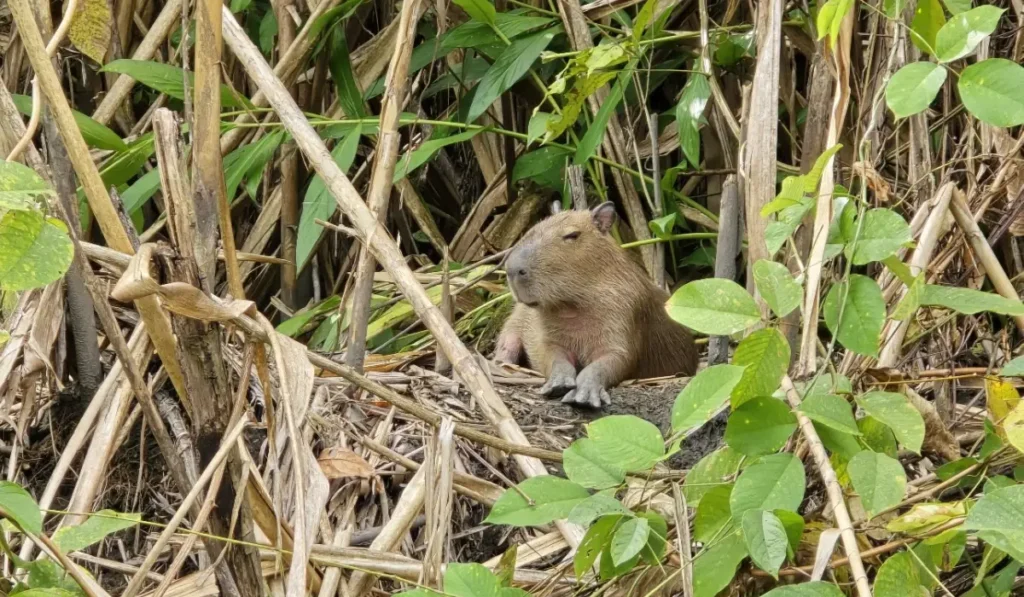
- Low Areas and Rivers: You will see capybaras, tapirs, caimans and the curious Shansho bird in the lakes (lagoons).
- Reserved Zone: Here, where hunting and logging are prohibited, wildlife thrives. Discover the opportunity to see jaguars, giant otters and large caimans on our 7-day expedition. “Due to the National Park’s conservation policies, entry permits are limited.”
- Safety Note: Although the jungle is full of “dangerous” life (snakes, spiders, etc.), the biggest local fear is freshwater stingrays in quiet streams. Your guides know how to detect them, so always follow their instructions.
What to pack? The Essential Checklist
So that your trip is not interrupted by a blister or lack of light, keep in mind:
- Footwear: Hiking boots for the trails and sandals for resting in the lodge. Remember that in many dining rooms and rooms it is mandatory to remove your shoes to maintain cleanliness.
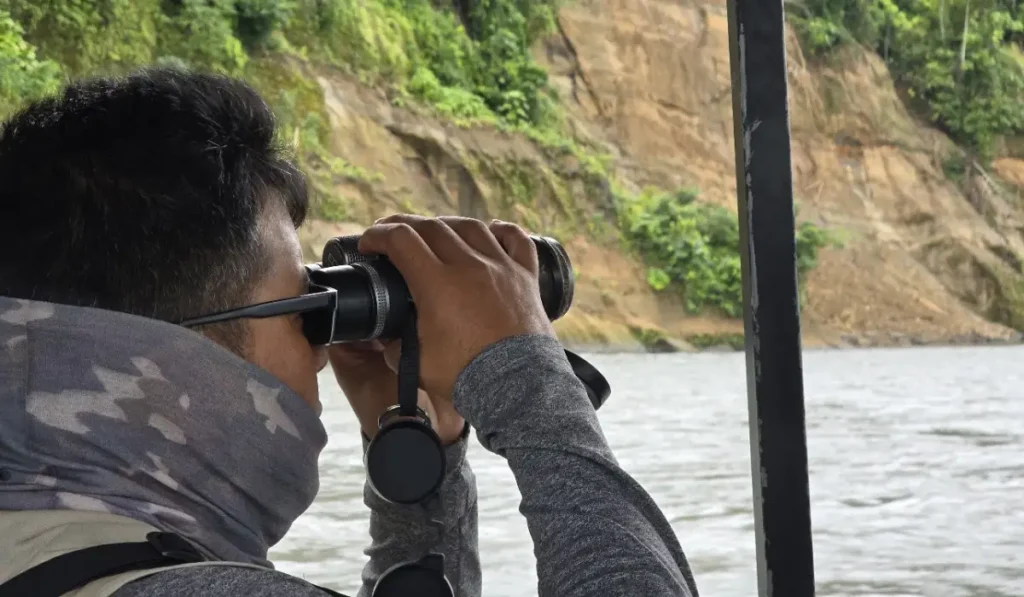
- Optical Equipment: The guides carry telescopes, but having your own binoculars (you can rent them in Cusco) makes a difference to observe birds and primates in detail.
- Lighting: A headlamp or hand-held flashlight is essential for night walks and for moving around the lodge when the engines are turned off.
- Hygiene and Health: Although the basics are provided, bring a quick-drying towel and bathing clothes if your itinerary includes the Shintuya hot springs.
- Battery: A power bank (10,000 or 20,000 mAh) is vital to recharge your camera or cell phone.
- Clothing: Wear long, light, quick-drying clothing to avoid mosquito bites and stay fresh during walks.
Final Tips and Money
During your Manu expedition, you will be accompanied by a multidisciplinary team working hard behind the scenes to make your experience safe, comfortable and authentic. This team usually includes your expert guide, the cook, the vehicle driver, the boat captain and his crew member.
- Is tipping mandatory? In Peru, tips are not mandatory. They are a purely voluntary gesture that arises from the traveler when they feel that the service and dedication of the staff have exceeded their expectations.
- The philosophy of gratitude: The most important thing for the team is recognition of their work. Guides, motorcyclists, drivers and cooks will appreciate any amount of tip you wish to give them as a token of gratitude for their support during the journey.
- Cash for the trip: Regardless of whether you decide to tip or not, it is vital that you carry extra soles or dollars in cash for this purpose or for personal purchases in the towns of Pillcopata or Atalaya. Once the boat goes deep into the jungle, there will be no access to shops or ATMs.
Ready for the challenge? Check availability for our small group tours
Ready to Experience Manu? Choose Your Adventure
Now that you know what to expect, it’s time to step into the wild. Whether you want to dive deep into untouched ecosystems or combine the rainforest with Inca history, we have the perfect expedition for you:
- Deep 6-Day Expedition (Reserved Zone): Our ultimate wildlife journey. Venture into the strictly protected heart of Manu for the highest chances of spotting Jaguars, giant otters, and black caimans.
- 4-Day Group Expedition (Cultural Zone): Perfect for travelers looking for an immersive, active, and budget-friendly introduction to the Cloud Forest and the Amazonian lowlands.
- The Amazon & Inca High Package (6 Days): The ultimate Peruvian contrast. Watch the sunrise over Machu Picchu and, just days later, find yourself navigating the rivers of the Amazon jungle.
Looking for something different? If you want to explore the Sacred Valley, trek the Rainbow Mountain, or extend your days in Cusco before heading into the jungle, we can design it for you. We help you create a personalized package, write to us!
FAQ
What is the best time to visit Manu?
The rainy season usually occurs between December and April. During these months, the river’s flow rises, but storms can be intense. The dry season allows you to see more “beaches” on the river, although sometimes the water level drops so low that it is necessary to help push the boats.
Is it safe to visit Manu National Park?
Although the jungle is home to snakes and caimans, they do not cause problems if instructions are followed. The biggest local fear is freshwater stingrays in quiet streams deep in the amazon. However, expert guides know how to detect and avoid them during the tour.
Is there electricity or internet in the lodges?
The experience at Manu is one of total disconnection. As you get deeper into the park, electricity is scarce and usually limited to a few hours a day via solar panels or generators. The most remote lodges do not have an internet connection.
What vaccines do I need for the trip?
For any tour in the Peruvian Amazon, the yellow fever vaccine is generally recommended. It is advisable to apply it at least 10 days before entering the jungle.
What is the level of physical demand of the activities?
Trail walks can last between 2 and 4 hours and can be exhausting due to the humidity and heat. It is a trip for people with average physical condition who enjoy real adventure, since the terrain may be muddy or require crossing small streams on foot.
What to expect from tours in Manu National Park?
A lot of adventure awaits you, a stay in the middle of the jungle, a varied climate, boat and walking tours during the day and night and a great diversity of fauna and flora from birds, insects, amphibians to large animals like the jaguar.